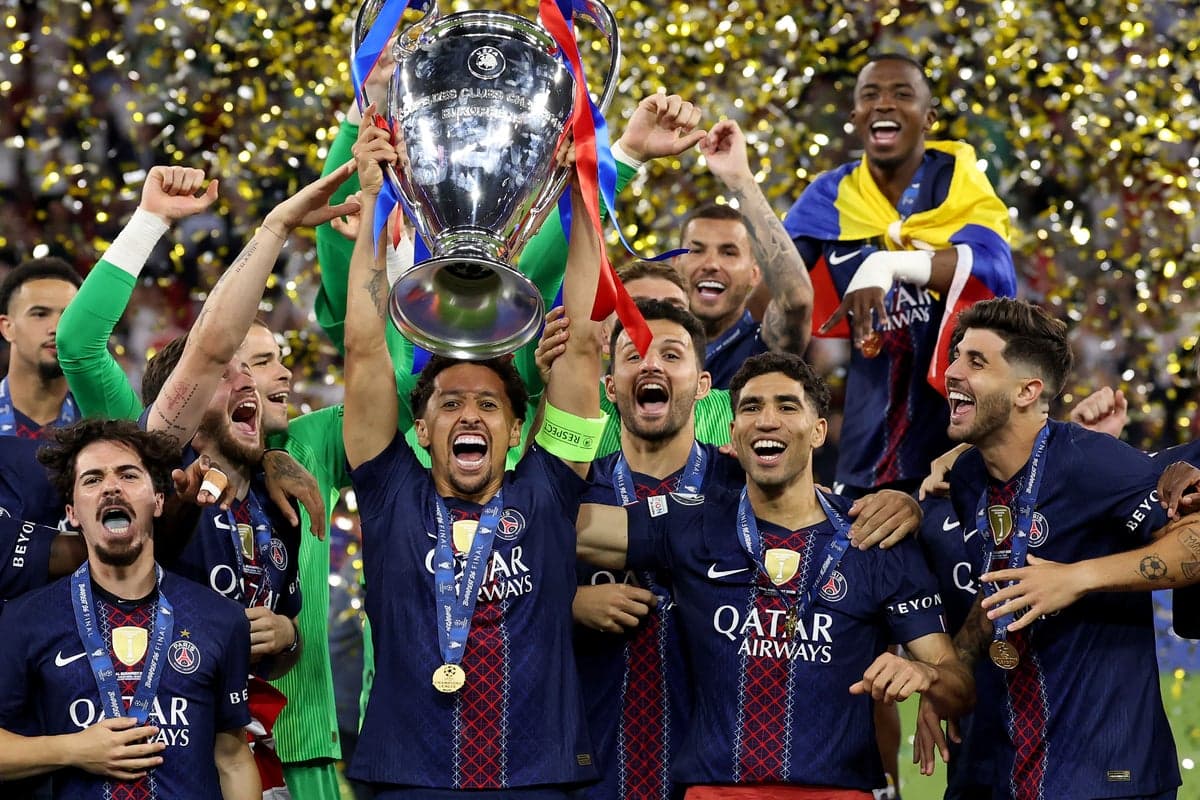
PSG’s Champions League Edge Also Creates Challenges
PSG’s Strength in Champions League Raises New Questions
Right after the 2026 Champions League final, Mikel Arteta found himself consumed by one main thought: how does Arsenal defeat Paris Saint-Germain? This question overshadowed even the joy of winning the Premier League again. Usually, the focus would be on who stands as the top team, with PSG likely being that side. Yet the bigger discussion might be whether the current competition format actually favors dominant clubs from leagues like Ligue 1 or the Bundesliga.
This debate touches on several ongoing topics about the Champions League, including whether the English financial muscle is reflected in the later rounds. But because the knockout stages operate differently, those financial questions feel less relevant at the moment.
PSG’s Approach to the Group Stage
PSG often seem to pay little attention to the Champions League group phase until February. During their two title-winning seasons, they finished 15th and 11th in the group stage, forcing themselves into a tough play-off round. They excel when it counts, showing an ability many others lack.
This isn’t about complaining over the group stage’s diminished excitement or labeling it another version of a financially skewed “super league.” The rise of prize money has created a clear hierarchy among clubs, limiting surprise qualifiers. That reality remains unchanged.
Still, the group phase can hold some enjoyment. Each round brings drama and fresh stories, especially with new entrants like Como, LASK, Viking, and Sabah making their debuts. Fans will witness teams like Manchester United reconnecting with the competition’s magic at Old Trafford, while figures like Jose Mourinho chase his third Champions League title after 16 years.
Changes and Challenges in the Competition
This season marks the first without Pep Guardiola since 2012. Could Manchester City benefit from his departure? Meanwhile, Liverpool's Andoni Iraola faces the challenge of adjusting to the Champions League's physical demands during his debut campaign.
The schedule’s frequency makes it feel almost like a domestic league, or what some might call “wallpaper football” — always present but sometimes background noise. The group stage mostly shapes the knockout bracket and rarely predicts the final outcome.
This year is the second with UEFA's tennis-style fixed route, but much still depends on how seriously wealthy clubs treat the eight-match league phase. There’s talk that some may prefer saving their best players for later rounds rather than risking fatigue early on.
English Clubs and the Premier League’s Challenge
English teams dominate the upper spots, with none eliminated in the group stage so far. Even Tottenham, after a poor recent campaign, finished fourth last season. Yet, they were not truly the fourth-best team in Europe, a fact Atletico Madrid (14th in the group) proved decisively in the round of 16.
Tottenham’s struggle was worsened by their relegation battle, highlighting the Premier League’s intense competitiveness. The league has a steep competitive gradient and financial strength throughout its ranks, making it more demanding than others.
The Expanded Champions League and Its Effects
The new group stage unintentionally balances concerns about Premier League dominance. It also plays into broader football politics, including tensions between FIFA and UEFA. Many top European clubs aim to curb England’s power, with the Super League concept being one attempt. The expanded Champions League acts as another counterweight, matching the Premier League in broadcasting reach.
This expansion also overlaps with the Premier League’s schedule, putting extra strain on players. Star power is another area where the Premier League lags; giants like Real Madrid, Barcelona, and PSG generate more revenue and pay higher wages, allowing their stars to maintain top form longer.
Barcelona’s Revival and Rodri’s Impact
Rodri chose Barcelona partly to return to La Liga but also to extend his peak years. His arrival could shape this season’s Champions League dramatically. Barcelona, absent as a serious contender since 2019, have regained respect under Hansi Flick and with young talent like Lamine Yamal. Rodri offers a comprehensive midfield solution, reinforcing their chances.
This means there’s potentially one more strong challenger besides PSG. If PSG don’t win, every other club will have to figure out how to overcome them. That explains why Arteta emphasizes raising his squad’s level. Despite a slow start, PSG remain the only team confident in closing out this calendar’s campaign strongly.