Premier League Teams Ranked by Impact from the 2026 World Cup
The 2026 World Cup ended just 33 days before the Premier League kicked off, leaving some teams dealing with heavier consequences than others. The tournament's timing and intensity have clearly left a mark on player availability and fitness across England’s top flight.
Since the Premier League sent more players to the World Cup than any other league, the impact varies widely. Some clubs got lucky with fewer internationals involved, while others are facing challenges due to player fatigue or injuries sustained during the competition.
Least Affected: Promoted Teams
Frank Lampard’s Coventry City had barely any players participating, allowing him to focus on scouting rather than managing post-tournament recoveries. Players like Haji Wright and Brandon Thomas-Asante had minimal minutes, sparing the club from any major World Cup strain.
Hull City and Ipswich Town followed similar patterns, with most of their squads untouched by the World Cup’s demands. Everton, despite being a Premier League staple, only had three senior players in the tournament, with goalkeeper Jordan Pickford being the sole player to progress beyond the early rounds. His remarkable record of missing almost no matches over recent seasons suggests his impact on Everton’s campaign will remain steady.
Mid-Table: Big Six Partially Shielded
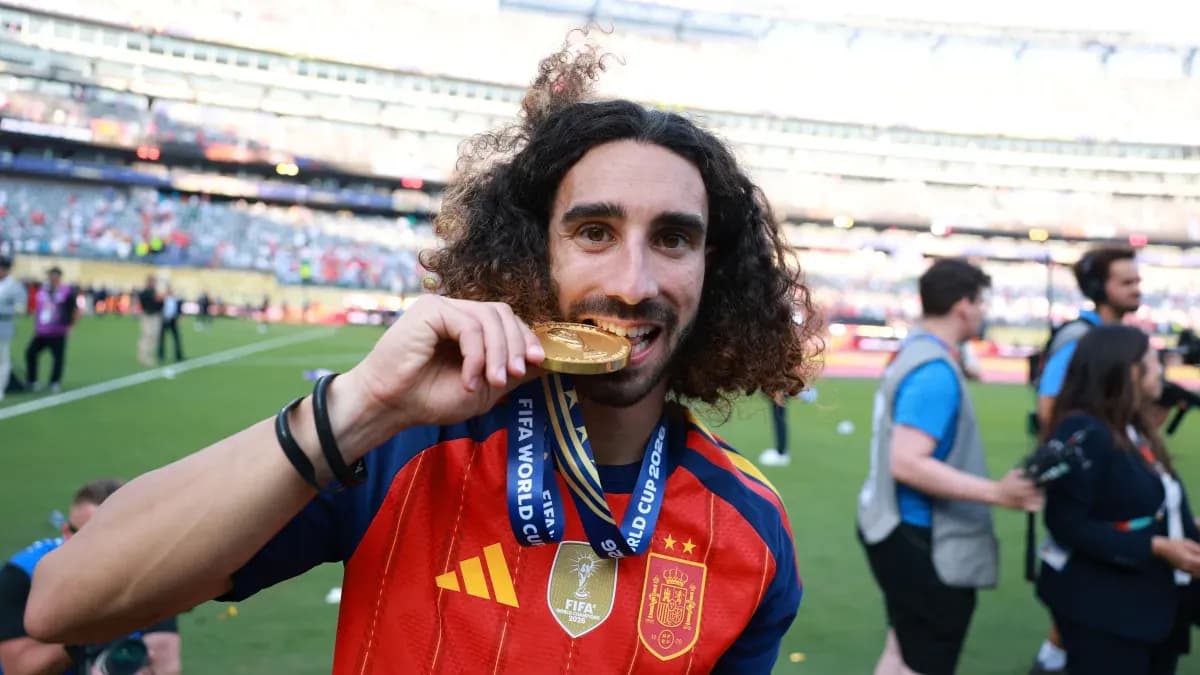
Among the elite clubs, some dodged the worst effects. Liverpool had eight World Cup players but mostly exited early, reducing the risk of burnout. Dutch players went out in the round of 32 alongside Germany’s Florian Wirtz. Sweden’s Alexander Isak found a good balance of matches to build form without overexertion. Brazil’s Alisson lasted just a bit longer. Victor Muñoz saw no game time for Spain, while Alexis Mac Allister faced a tough campaign with Argentina.
Chelsea experienced a similar fate. Enzo Fernández reached the final but played limited minutes. Reece James and Malo Gusto enjoyed extended runs without overplaying. Meanwhile, Moisés Caicedo and Pedro Neto were knocked out sooner than expected.
Top Impacted Teams
Sunderland surprised many with their players’ impressive World Cup performances. Their squad collectively scored eight goals, second only to one Premier League club. Eleven of their dozen participants advanced past the group stage. Though this raises the club’s profile, it could strain them during an intense Europa League season under Régis Le Bris.
With a large contingent at the World Cup, Manchester United endured numerous struggles. Lisandro Martínez suffered a serious injury before Argentina lost the final to Spain. Manuel Ugarte exited earlier due to injury, and Portugal’s representatives dealt with disappointments. Even promising goalkeeper Senne Lammens made a costly error for Belgium. Kobbie Mainoo, who didn’t play, might face psychological challenges after being overlooked by England.
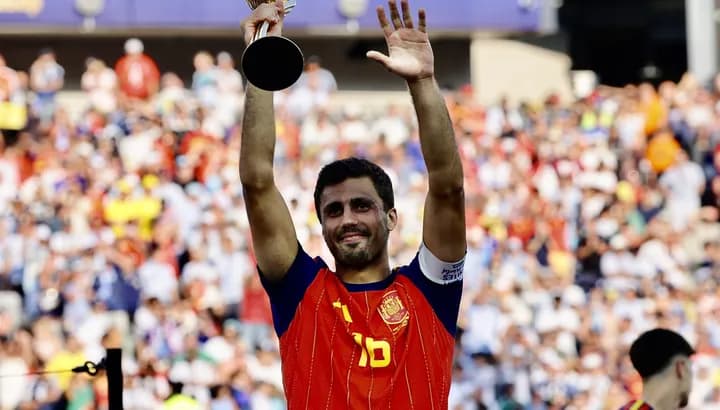
Manchester City had the highest total minutes played by World Cup participants among Premier League teams. Only Rodri reached the final, showcasing peak form for Spain. How well he bounces back depends on rest and transfer activity. Erling Haaland returned with a taxidermy raccoon as a souvenir, while Elliot Anderson emerged as one of the tournament’s standout midfielders.
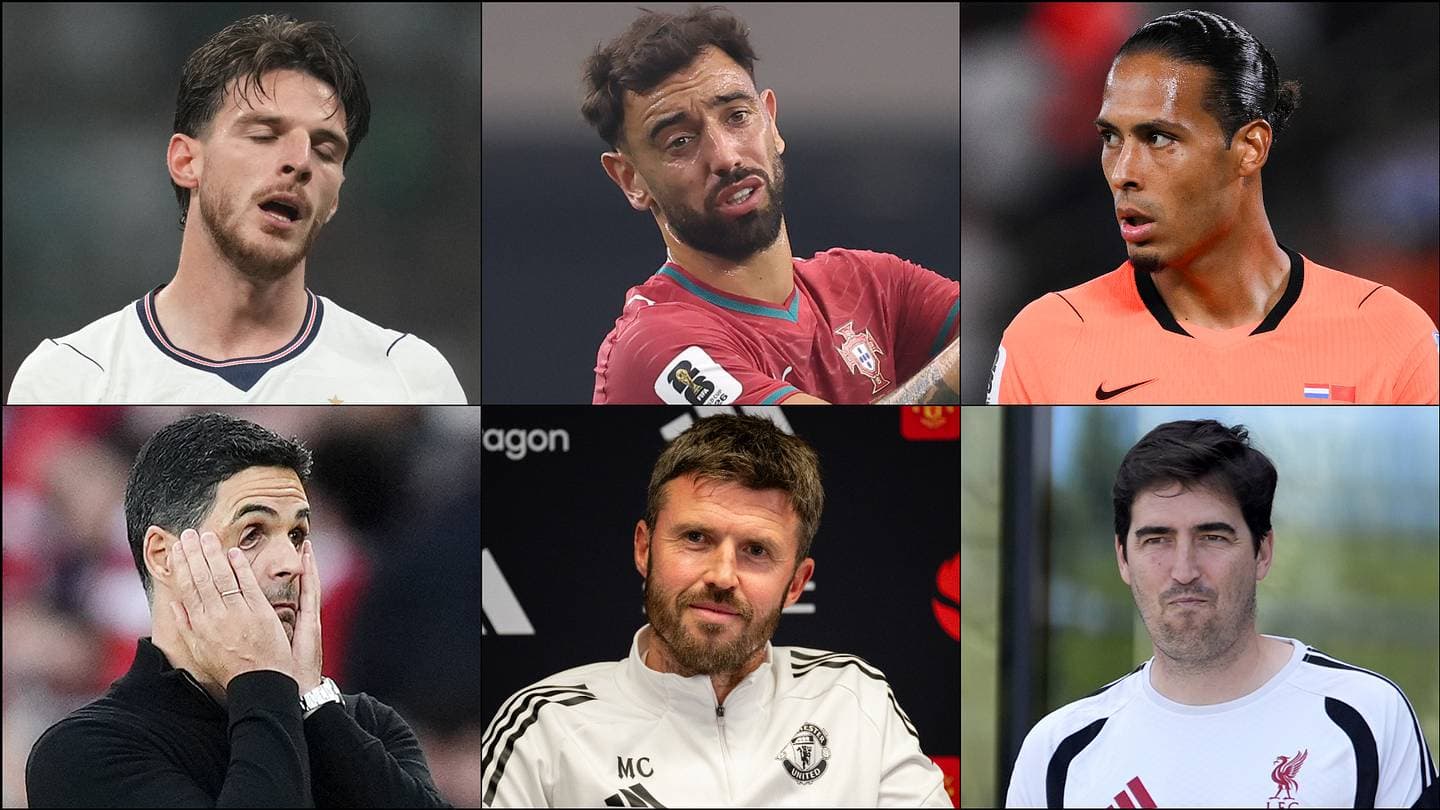
Mikel Arteta admitted he finds international breaks unenjoyable. Arsenal players arrived at the tournament half-fit and stayed that way. Three of their World Cup winners mostly warmed benches. William Saliba, vital for both France and Arsenal, risks months out with a back injury after pushing through pain.
Aston Villa felt the greatest toll. Five starters in their recent Europa League final played through to the late stages of the World Cup, including Emiliano Martínez, Lucas Digne, and Ezri Konsa. The biggest blow was Amadou Onana’s ACL injury in the quarterfinals with Belgium. After selling Youri Tielemans and losing Morgan Rogers, Unai Emery faces a thin midfield.