The Premier League’s Greatest Fantasy Transfers
The Premier League’s greatest fantasy isn’t built on computer games or social media edits. It lives in the transfer deals that never quite landed – the handshakes, the plane tickets, the trials, the ash clouds.
Fifteen sliding doors. Fifteen alternate histories. And every one of them would have changed English football.
Roy Keane to Blackburn Rovers (1993): The Deal That Slipped Overnight
Roy Keane’s Manchester United story is etched into Premier League history: seven titles, four as captain, the snarling heartbeat of Ferguson’s dominant side.
But it should have been Blackburn.
In 1993, the Nottingham Forest midfielder had shaken hands with Kenny Dalglish. The contract was, in his words, “basically agreed”. He flew back to Ireland thinking he was a Blackburn player.
Then the phone rang.
Manchester United moved, Keane wavered, and Blackburn’s future shifted with a single decision. He admitted later the “mistake” was saying he’d already sign elsewhere. For United, it became one of the most consequential phone calls of the Premier League era.
Zinedine Zidane to Blackburn Rovers (1995): “Why Do You Want Zidane…?”
Two years later, Blackburn were champions of England and thinking big. Dalglish wanted a young French midfielder from Bordeaux: Zinedine Zidane.
Zidane and Christophe Dugarry came to the training ground. They met Jack Walker. The path looked clear.
Then came the now-infamous logic from the club’s owner: why sign Zidane when Tim Sherwood was already in midfield? Sherwood himself has admitted how “embarrassing” that line became.
Within three years Zidane was a World Cup winner and Ballon d’Or holder. Blackburn never got close to that summit again.
Alan Shearer to Manchester United (1996): The One That Got Away From Ferguson
Alan Shearer is the Premier League’s record scorer with 260 goals. He chose Newcastle, his boyhood club, in 1996 for a then world-record £15 million.
But it was almost Old Trafford.
On the same day, Shearer sat down with Sir Alex Ferguson and Kevin Keegan. By his own account, he was “90 per cent” certain he would join Manchester United. The pull of home, and another phone call from Keegan, changed the script.
United still dominated. Shearer still became a legend. Yet the idea of him finishing Ferguson’s chances would have terrified every defender in the country.
Andriy Shevchenko to West Ham (1999): A Million Too Far
Before Chelsea, before the Ballon d’Or, Andriy Shevchenko had a trial at West Ham.
Harry Redknapp watched a 17-year-old Ukrainian striker score twice in a reserves game against Barnet. The talent was obvious. The price, at the time, felt excessive.
“He was like £1 million,” Redknapp recalled. He and Frank Lampard Snr decided it was too much for a teenager. West Ham walked away.
Seven years later, Shevchenko arrived in London as one of the most feared forwards in world football. West Ham’s gamble was not to gamble.
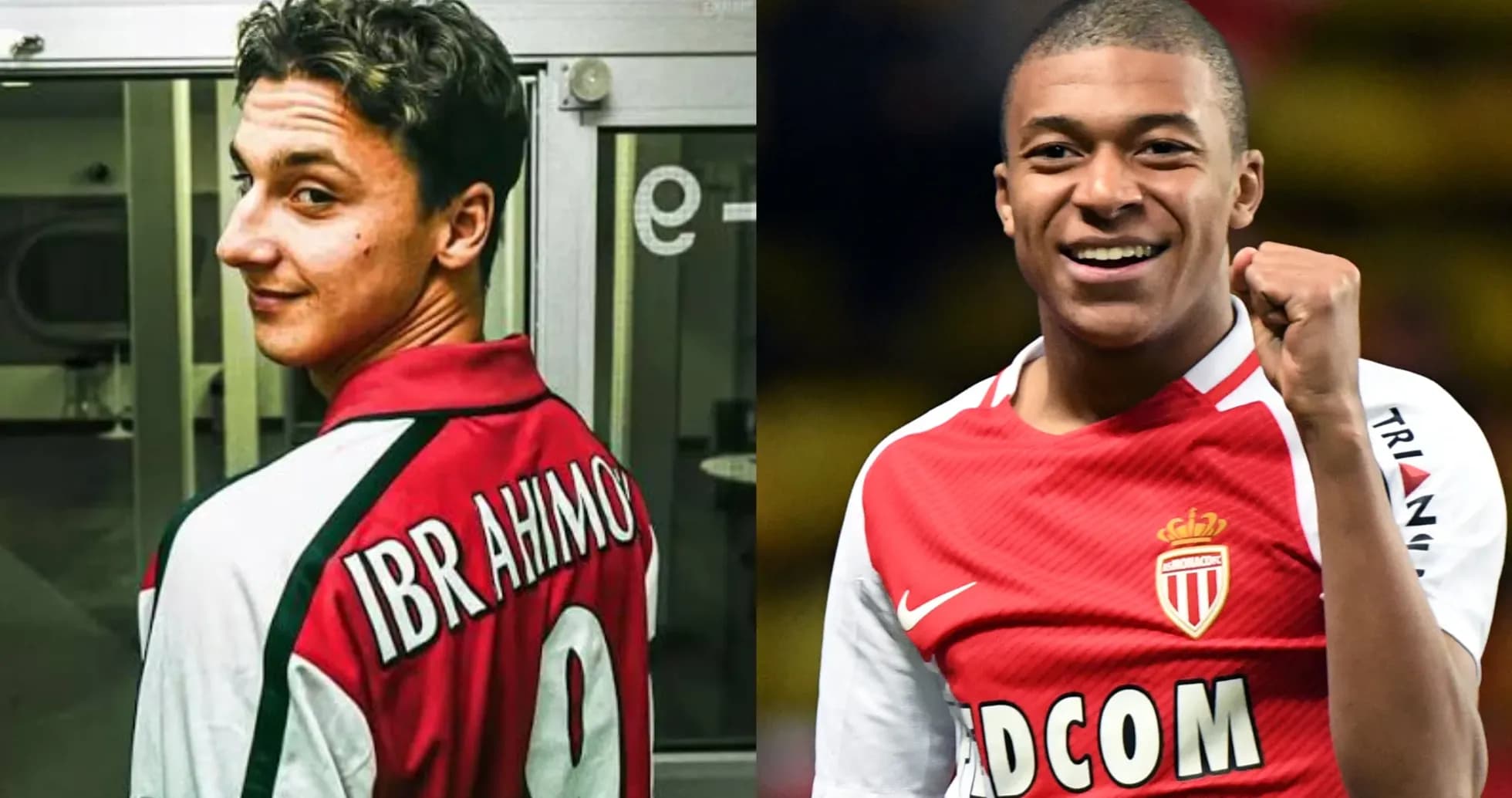
Zlatan Ibrahimovic to Arsenal (2000): “Zlatan Doesn’t Do Auditions”
Arsenal once had Zlatan Ibrahimovic in the building, shirt on, name printed, No 9 ready.
At 17, the Malmo striker flew to London, posed in an Arsenal jersey and seemed on the brink of signing. Arsene Wenger, though, wanted a trial first. He wanted to see him in action before committing.
Ibrahimovic’s pride kicked in.
He later summed it up bluntly: “Zlatan doesn’t do auditions.” No trial, no deal. The Swede’s Premier League bow would come 16 years later, at Old Trafford rather than Highbury or the Emirates.
Yaya Toure to Arsenal (2003): Lost in Paperwork
Another future Premier League great actually played for Arsenal – sort of.
Yaya Toure, then a 20-year-old at Beveren, turned out in a pre-season friendly against Barnet in 2003. Wenger wanted him. The agreement was there.
The problem was bureaucracy. While Arsenal waited on a work permit, Toure’s patience ran out. Metalurh Donetsk could take him immediately. He left.
The Ivorian would later dominate midfields at Manchester City, winning three Premier League titles. Arsenal were left with the memory of what might have been in that low-key friendly.
Cristiano Ronaldo to Arsenal (2003): Wenger’s Biggest Regret
Wenger has called it his greatest regret. Not a final lost, not a title surrendered. Cristiano Ronaldo.
At 17, Ronaldo and his mother visited Arsenal’s training ground. They had lunch. Wenger gave him a shirt with his name on the back. The club were close.
But the fee became the sticking point. Manchester United, fresh from a friendly against Sporting Lisbon in which Ronaldo had dazzled, pushed harder and paid more.
He left Old Trafford with three Premier League titles and a Ballon d’Or. Arsenal were left with a story and a shirt.
Ronaldinho to Manchester United (2003): 48 Hours From Old Trafford
When Ronaldinho decided to leave Paris Saint-Germain in 2003, Old Trafford looked like the obvious destination.
Ferguson said United were “very close”. The club believed the deal was almost over the line.
Then Barcelona’s presidential politics intervened. Sandro Rosell made a promise: if he became president, Ronaldinho would join Barça. The Brazilian agreed.
He went to Spain, won the Ballon d’Or in 2005 and the Champions League in 2006. United, who would rebuild around other stars, were left wondering how different their attack might have looked.
Rivaldo to Bolton Wanderers (2004): A Fax, A Dream, No Signature
Rivaldo to Bolton Wanderers remains one of the most surreal almost-transfers in Premier League history.
In 2004, two years after lifting the World Cup, the Ballon d’Or winner was a free agent. Bolton chairman Phil Gartside stood at Goodison Park with a fax in his pocket, saying Rivaldo wanted to come. The Brazilian even spoke of the “challenge” of getting Bolton into Europe.
Financial terms were agreed. The ambition was clear. But the final step never came. No pen on paper, no arrival at the Reebok. Rivaldo went to Olympiacos instead, and Bolton’s boldest dream dissolved.
Steven Gerrard to Chelsea (2005): Mourinho’s Midfield Fantasy
Fresh from Istanbul and that miraculous Champions League win, Steven Gerrard almost walked away from Liverpool.
Jose Mourinho was building a powerhouse at Chelsea and imagined a midfield of Claude Makelele, Gerrard and Frank Lampard. He pushed hard. Gerrard submitted a transfer request in July 2005. The move felt inevitable.
The pull was real. Gerrard admitted Mourinho “turned my head”. But conversations with his family dragged him back towards Anfield. He signed a new four-year deal and stayed another decade.
Chelsea went on to win titles. Liverpool kept their captain and their symbol.
Aaron Ramsey to Manchester United (2008): Announced, Then Lost
Aaron Ramsey was so close to Manchester United that the club announced they had agreed a fee with Cardiff City.
The statement called him one of Wales’ brightest prospects. The path looked straightforward.
Then Arsenal moved with precision. Wenger, working as a pundit at Euro 2008, flew Ramsey out to meet him. They had lunch, spoke about vision and plans. Ramsey felt wanted.
Ten days after United’s announcement, he signed for Arsenal instead. Eleven years, three FA Cups and a string of decisive Wembley goals followed in north London, not Manchester.
Robert Lewandowski to Blackburn Rovers (2010): Stopped by a Volcano
Robert Lewandowski’s career has taken him through Borussia Dortmund, Bayern Munich and Barcelona. He is one of the Champions League’s most prolific scorers.
Yet in 2010, he was on the brink of joining Blackburn Rovers.
A deal with Lech Poznan was in place. Talks had gone well. Lewandowski was due to fly to England, see the club, and likely sign.
Then Eyjafjallajokull erupted.
The Icelandic volcano grounded flights across Europe. The trip never happened. Lewandowski later admitted that if he’d seen the stadium and the club, Blackburn might have become his first choice. Instead, he went to Dortmund and the rest is history.
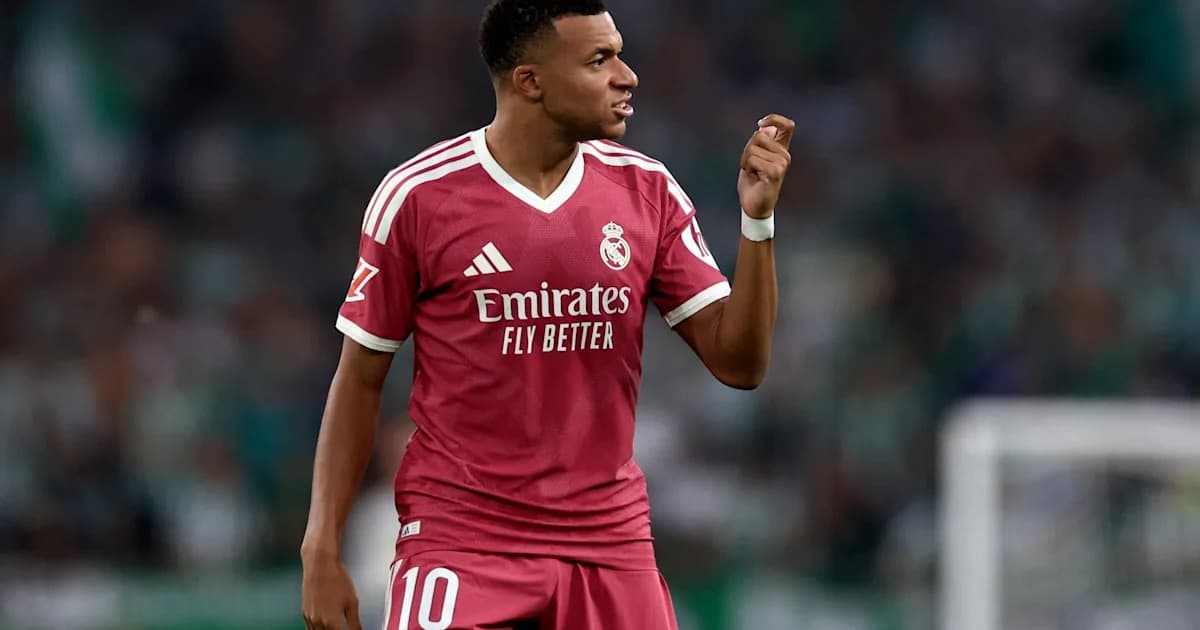
Kylian Mbappé to Arsenal (2016) and Liverpool (2017): Courted by Two Giants
Before Kylian Mbappé became a global superstar, two Premier League managers tried to bring him to England.
In 2016, with Mbappé still at Monaco and yet to sign his first professional contract, Wenger flew to the south of France. He sat in the family home, speaking to the teenager and his parents, trying to sell Arsenal as the place to grow.
A year later, Jürgen Klopp made his move. Liverpool arranged a private jet, circled in the air, and used the time to talk with Mbappé and his family over a meal. Every effort, every charm offensive, was deployed.
Mbappé chose Paris Saint-Germain. He won the World Cup with France during his time there, then moved to Real Madrid. The Premier League never got him.
Erling Haaland to Manchester United (2019): Too Late to the Party
Erling Haaland has torn through the Premier League with Manchester City, collecting titles and Golden Boots at a frightening rate.
His first taste of English football, though, could have been in red.
In December 2019, Ole Gunnar Solskjaer, then Manchester United manager, flew to Austria to speak to Haaland, whom he had coached at Molde. United pushed, but Borussia Dortmund won the race.
Solskjaer later revealed he had urged United to sign Haaland 18 months earlier, before his explosion at Salzburg. The club decided not to. By the time they went back in, “everyone was there”.
City eventually triggered his move to England. United watched the phenomenon from across town.
Jude Bellingham to Manchester United (2020): The Carrington Summit
Jude Bellingham’s rise has been rapid: Birmingham City to Borussia Dortmund to Real Madrid, all before his 21st birthday.
In 2020, United tried to make Old Trafford the key step in that journey.
Bellingham and his family visited Carrington. Solskjaer was there. So were Sir Alex Ferguson, Bryan Robson and Eric Cantona – a roll call of club royalty assembled to sell the dream.
By Solskjaer’s account, they “sold it as well as we could”. Robson left the meeting convinced Bellingham would sign.
He chose Dortmund instead, a move that accelerated his development and led him to Madrid. United were left with memories of a meeting that almost changed their midfield for a decade.
Football’s history is written by the players who sign. But its mythology? That belongs to the ones who almost did.