How Premier League Financial Rules Shield the Big Six and Pressure Clubs Like Aston Villa and Newcastle
When Aston Villa faced Newcastle on the opening day last season, fans from both sides chanted "Premier League, corrupt as f*ck!" Their frustration reflected a shared feeling that the league’s Profit & Sustainability Rules (PSR) unfairly restrict ambitious clubs like theirs. Newcastle’s then-manager Eddie Howe highlighted the dilemma: having to sell players they wanted to keep while struggling to recruit new talent due to these restrictions. Unai Emery of Villa echoed this sentiment, calling for a review of the rules, pointing out that although financial controls prevent bankruptcies, they also limit clubs managing well from dreaming bigger.
The Premier League introduced new financial measures before the 2026-27 season, replacing PSR with Squad Cost Ratio (SCR) and Sustainability and Systemic Resilience (SSR). But many believe these new rules won't narrow the financial gap between the Big Six and other clubs; some even fear it might widen.
Origins and Impact of PSR
PSR came into effect in 2013 as a response to UEFA’s Financial Fair Play regulations aimed at preventing reckless spending. The Premier League allowed clubs to lose no more than £105 million over three years, a slightly more lenient approach than UEFA’s rules, designed to let non-European clubs stay competitive.
Over time, PSR began to be seen as a barrier for clubs with new owners wanting to invest heavily. Despite Newcastle’s takeover by the wealthy Saudi Arabian Public Investment Fund in 2021, the club couldn’t spend on transfers at the level of the Big Six because their revenues were far lower.
Kieran Maguire, from The Price of Football podcast, explained that PSR blocked new ambitious owners from following the path of past heavy investors like Roman Abramovich or Sheikh Mansour, who transformed Chelsea and Manchester City respectively.
Forced Sales and Squad Rebuilds
While the Premier League continues to investigate Manchester City for alleged financial breaches, and Chelsea received a relatively light fine for past irregularities, clubs like Newcastle and Villa have had to rebuild after losing key players.
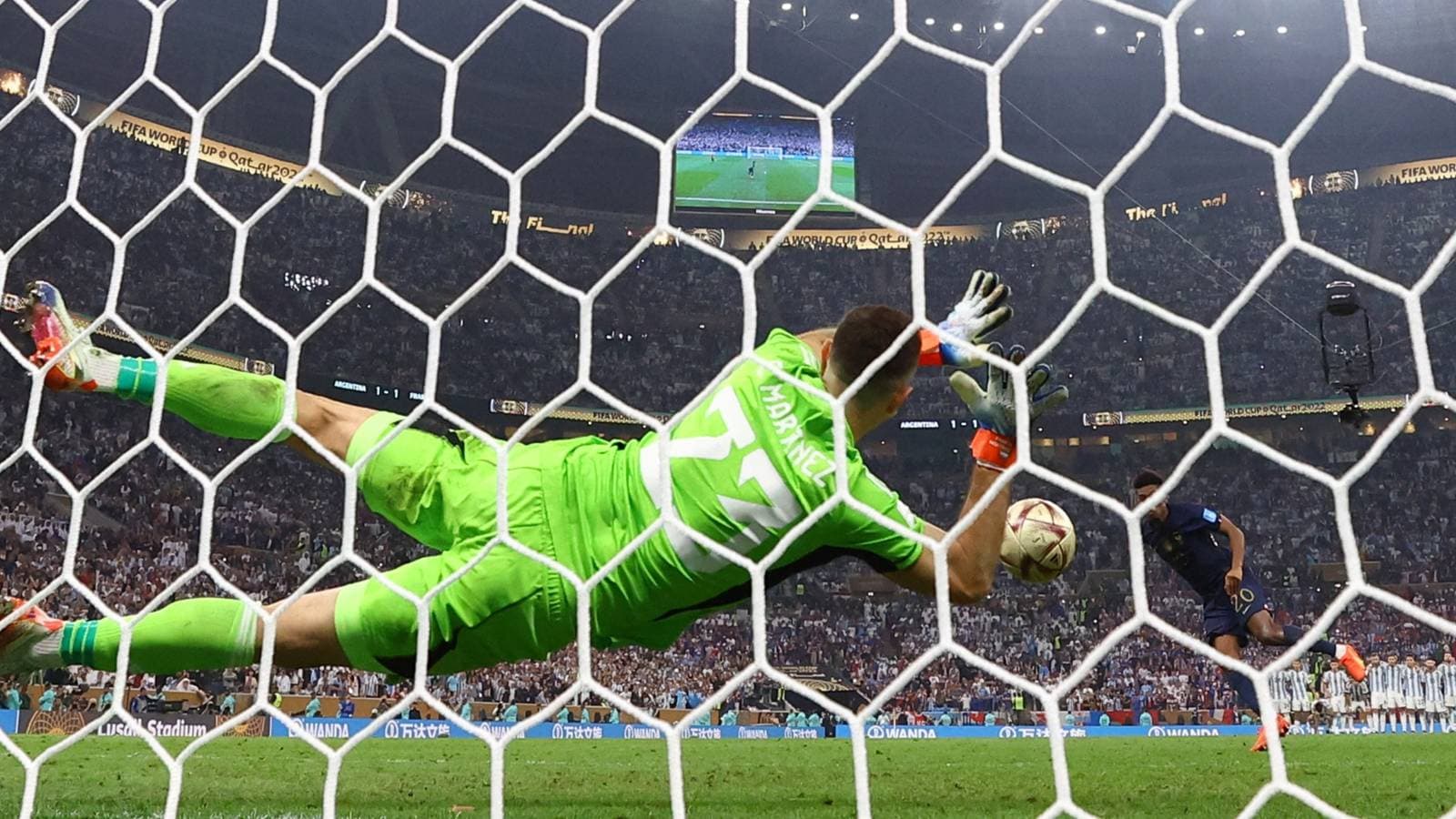
Newcastle sold stars such as Anthony Gordon, Bruno Guimaraes, and Sandro Tonali due to financial pressures. Aston Villa faced even tougher challenges, losing six starters from their Europa League-winning side including Emiliano Martinez, Lucas Digne, and Morgan Rogers, who moved to Chelsea despite the latter not qualifying for the Champions League.
Villa supporters watched Spurs launch a major spending spree after finishing near the bottom twice in a row, heightening their frustration.
Financial Challenges and Transfer Market Realities
For years, Villa and Newcastle have spent heavily but also struggled financially because over 90% of their income went on wages. They earned a reputation as poor sellers until recent times.
Neither club can stockpile players like Chelsea or City, which excel at profiting from transfer flops. Maguire pointed out that players’ market values are hard to pin down, and while UEFA restricts deals that generate quick profits through swap transfers, Premier League rules are more relaxed, leading to some convenient transactions during the summer.
Will New Rules Change the Status Quo?
The Premier League hopes SCR will offer clubs more freedom to invest beyond just player wages and allow for real-time financial management rather than relying on a three-year average. CEO Richard Masters said the new system aims to maintain competitive balance by limiting on-pitch spending to 85% of football-related revenue plus net player sales profit/loss, compared to UEFA’s 70% threshold for European teams.
Interestingly, Newcastle and Villa supported the new framework, though Crystal Palace chairman Steve Parish warned that selling players might become even more critical under SCR, forcing clubs to cash in on academy products to balance books.
Parish also noted that some of the country’s most ambitious clubs—including Brentford, Brighton, Bournemouth, Fulham, and Leeds—voted against SCR, signaling unease among clubs outside the traditional elite.
Financial Controls Prevent Chaos but Fuel Debate
Masters defended the regulations, saying removing cost controls would increase financial inequality and destabilize the league. He acknowledged Newcastle and Villa’s recent successes but stressed that all clubs should have opportunities within the Premier League.
Still, many fans argue that wage spend correlates strongly with titles, and some question the league’s competitiveness and credibility. Maguire believes fan loyalty remains strong despite governance concerns, with supporters prioritizing winning above all else.
So, while some chant about corruption, those backing the Big Six seem satisfied with how things stand, suggesting the current setup is likely to persist for now.
- Big Six clubs: Manchester United, Liverpool, Arsenal, Tottenham Hotspur, Chelsea, Manchester City
- Key departures from Newcastle (summer): Alexander Isak, Anthony Gordon, Bruno Guimaraes, Sandro Tonali
- Key departures from Aston Villa (since Europa League win): Emiliano Martinez, Lucas Digne, Morgan Rogers
- Premier League financial loss limit under PSR: £105 million over three years
- SCR spending limit: 85% of football-related revenue plus net player sales profit/loss
- UEFA spending limit: 70% of football-related revenue