Is Possession Football Losing Its Edge in the Premier League?
In the early 2000s, Premier League teams focused on shrinking space for opponents, forcing attackers to move quickly and exploit openings with fewer defenders. This made sense strategically.
Then Pep Guardiola came along, flipping this approach. His Manchester City squads aimed to push opponents into tight defensive blocks, which should be tougher to break down. Yet, by controlling the ball near the opponent’s goal, the risk of conceding was lowered since the opposition couldn’t attack without possession.
But this season tells a different story. After 50 matches, teams holding 60% or more of the ball won only 36.4% of games, compared to 53.5% last year. Does this mean possession football is fading? The answer isn’t straightforward. Are teams winning because they have less possession, or do they possess less because they lead early? Probably both.
Why Less Possession Works Now
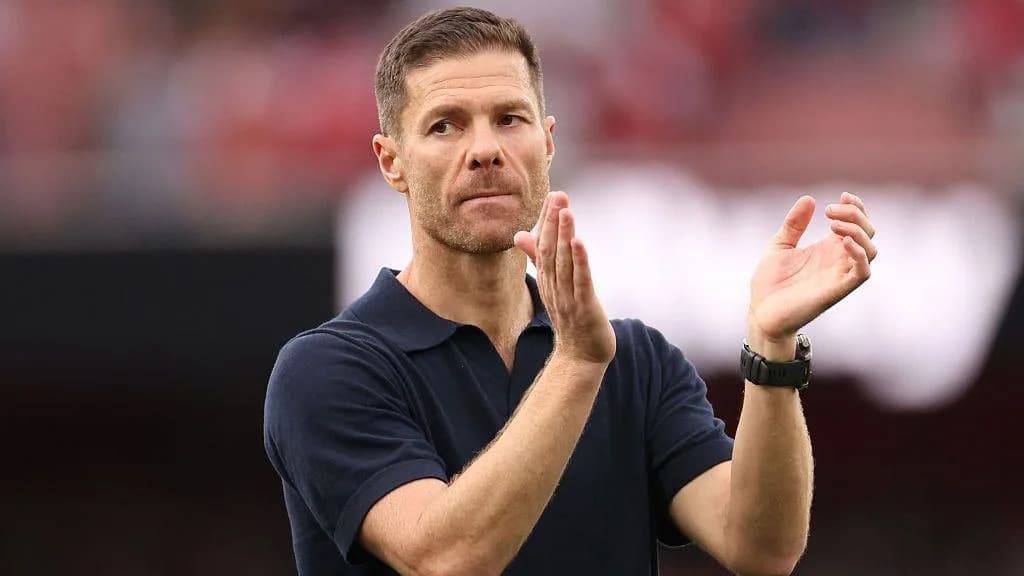
Take Xabi Alonso’s Chelsea as an example. They won their first two matches against Fulham and Brighton with less than half the ball but then struggled when they had more possession, including a 3-0 loss to Brentford.
Against Brighton, Chelsea held just 25.6% possession—their lowest ever recorded since 2003-04—and completed 146 passes, yet scored four goals. Their quick transitions from throw-ins and counters caught Brighton’s defense off guard, especially since Brighton likes to dominate possession themselves, second only to Manchester City this season.
Chelsea’s attackers like Joao Pedro, Cole Palmer, Pedro Neto, and Morgan Rogers thrive in fast-break situations. Their third goal against Brighton came from a swift two-on-two counterattack.
The Philosophy Challenge for Big Clubs
Counter-attacking often carries a stigma. It’s expected from underdogs like Hull but not from big clubs who are supposed to control games. This makes a low-possession style harder to justify long term, even if it fits player strengths better.
Manchester United face similar issues. Under Michael Carrick, they earn 1.5 points per game with over 50% possession, but 2.6 points when holding less. Meanwhile, teams like Brentford, Leeds, and Hull build squads designed for less possession, relying on solid defense, swift counterattacks, and set pieces.
How Tactics Have Evolved
Man-to-man pressure has increased, complicating building play from the back. Many teams now opt for long balls over pressing lines or direct runs into space, such as Manchester City’s Nico O’Reilly or Arsenal’s Declan Rice. While these methods solve some problems, teams packed with physical players may struggle with intricate play needed to break down stubborn defenses despite having more of the ball.
Defenders often stick close to attackers, forcing offenses to win one-on-one battles, which demands dribbling skill. Some teams lack players capable of solving these problems individually.
Possession Changes with Scorelines
Possession stats average across full matches, masking how teams shift tactics based on score. Chelsea scored early in each of their first four games, then dropped deeper to defend leads while attacking spaces left by opponents pushing forward.
- Chelsea’s possession: 51.4% when level, 34.5% when ahead, 67.2% when behind
This shows possession varies greatly depending on game state. Protecting leads gave Chelsea’s attackers freedom to run at defenses, while chasing goals saw more possession but fewer solutions against tight defenses.
Arsenal demonstrate the value of combining strong dribbling with precise passing. Players like Bukayo Saka and Max Dowman create chances against dense defenses, helped by the passing skills of Martin Odegaard, Martin Zubimendi, Bruno Guimaraes, and Christos Tzolis. Arsenal’s set-piece threat also helps secure leads when clear chances are scarce.
- Arsenal’s possession drops slightly from 60.4% to 56.6% after going ahead, signaling intent.
Defenders such as Gabriel, Ezri Konsa, Jurrien Timber, and Declan Rice help maintain control even with less ball possession. Manchester City keeps possession at 64.9% when leading, a strategy inherited by Enzo Maresca from Guardiola, focusing on maintaining control rather than retreating defensively.
Winning Means Playing on Your Terms
All successful teams aim to force opponents out of their preferred style. Liverpool’s manager Andoni Iraola said in 2025 that if you’re bold, you can make the other team play a game they don’t want.
Fewer teams now have the players or tactics to break down modern defenses. Advantages come more from attacking open spaces than dominating possession. Moving smoothly between defending with less ball and controlling possession will take time.
Top coaches don’t always get that time.