Police Raid Hits Korean Football Association Amid World Cup Fallout
South Korean football’s summer of disappointment has taken a stark turn, from tactical inquests and selection debates to police at the door of the sport’s governing body.
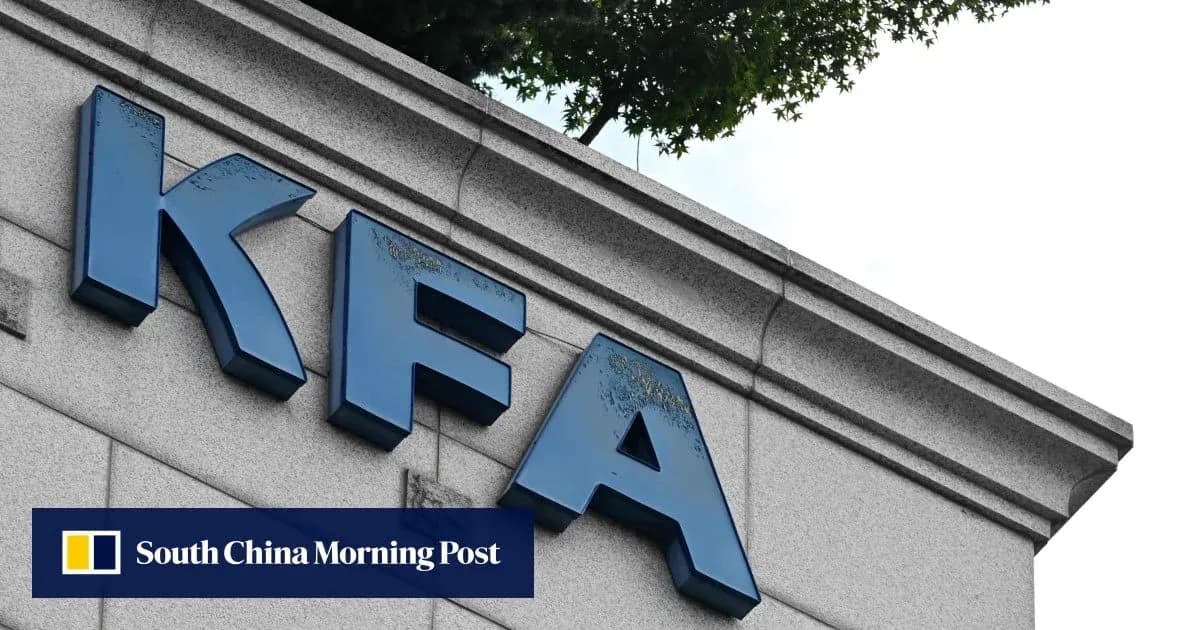
On Thursday, officers from Seoul’s financial crimes unit carried out search and seizure operations at the headquarters of the Korea Football Association (KFA), escalating an investigation into how former national team coach Hong Myung-bo was appointed.
The probe centres on suspected “obstruction of business” linked to Hong’s recruitment. A police spokesman confirmed investigators are examining whether any criminal conduct took place during the process that brought the 57-year-old back to the national dugout in 2024.
Hong’s second stint ended abruptly in June, just weeks after South Korea’s bruising World Cup campaign in the United States, Mexico and Canada. A shock 1-0 defeat to South Africa sealed a group-stage exit from the expanded 48-team tournament and triggered a wave of anger at home.
He resigned in the aftermath, but the questions did not leave with him.
Hong’s appointment had already raised eyebrows inside Korean football circles. Critics pointed to internal rules and procedures, asking how the KFA had reached its decision and whether the selection panel had operated with full independence. Once the national team failed even to reach the last-32 knockout stage, that murmur of discontent turned into sustained scrutiny.
Now the matter has moved from the court of public opinion into the hands of investigators.
According to Seoul police, the financial crimes team is “looking into whether there were charges of obstruction of business during the appointment of Hong Myung-bo”. Local media reports say the focus includes whether senior KFA officials improperly intervened in the hiring process, potentially breaching the association’s own regulations.
For a federation already under fire for the national team’s on-pitch regression, the image of officers combing through offices and documents is a damaging one. This is no longer just about a failed World Cup campaign or an unpopular coaching choice. It is about how decisions at the very top of Korean football are made, and who truly holds the power to shape the national team’s future.