Philadelphia Union II Edges Atlanta United II in Thrilling Clash
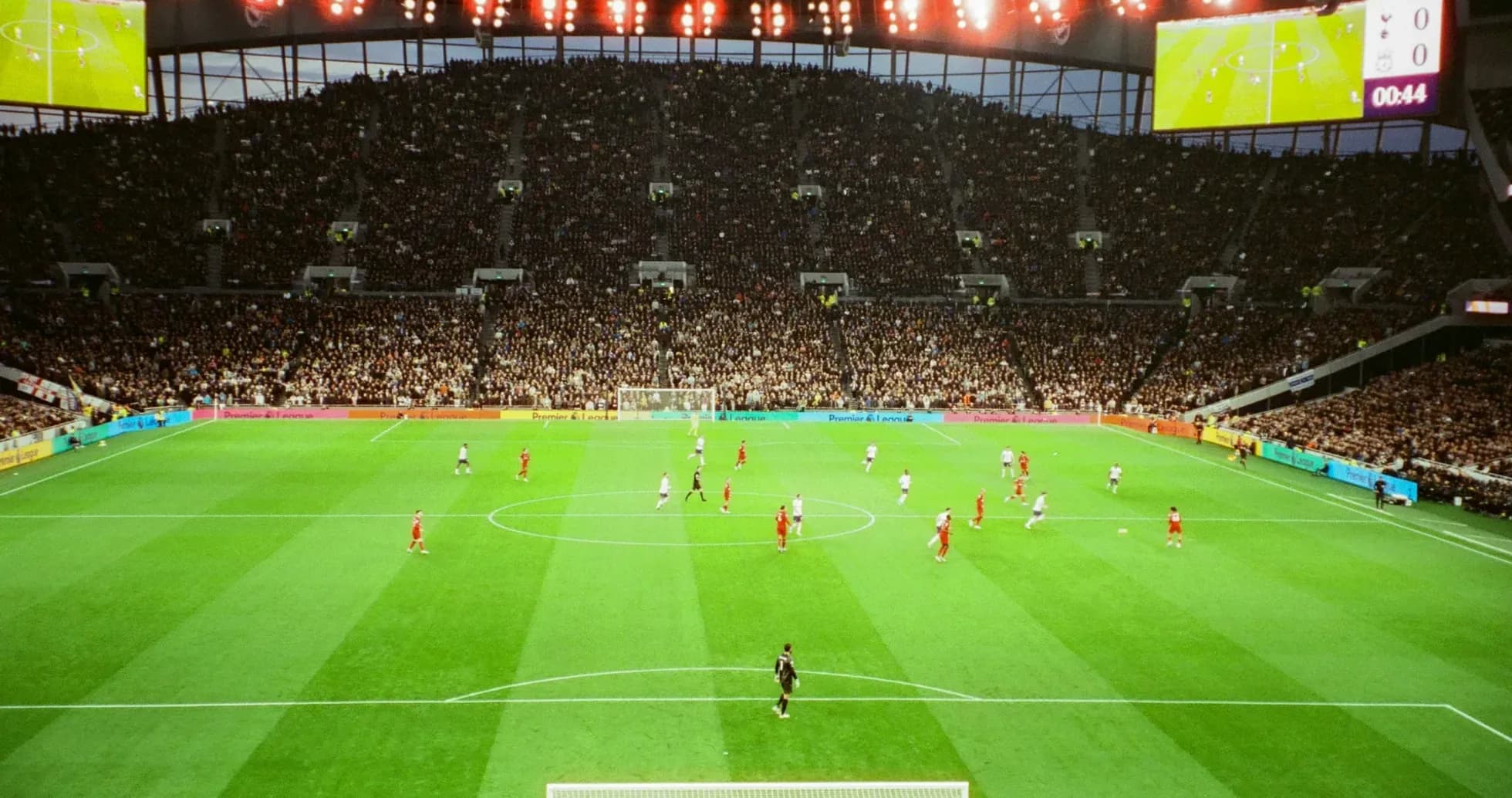
Subaru Park under the evening lights offered a fitting stage for a meeting of two of the Eastern Conference’s most volatile projects. Philadelphia Union II, 8th in the Eastern Conference playoff picture with 18 points and a goal difference of 3, hosted an Atlanta United II side sitting 5th with 19 points and a goal difference of 6. On paper, this was a clash of philosophies as much as of standings: Union II’s erratic but fearless home form against an Atlanta side that scores heavily on their travels but lives on a knife-edge defensively.
Heading into this game, the seasonal DNA of both teams was clear. Philadelphia had played 11 matches overall, winning 6 and losing 5 without a single draw. At home they had played 8, winning 4 and losing 4, scoring 11 and conceding 9. That gave them an at‑home scoring average of 1.4 goals per game and 1.1 conceded. Atlanta, by contrast, leaned into chaos on the road: 8 away matches, 4 wins and 4 losses, 15 goals for and 12 against, translating to 1.9 away goals scored per game and 1.5 conceded. It was an encounter set up as a test of whose volatility would break first.
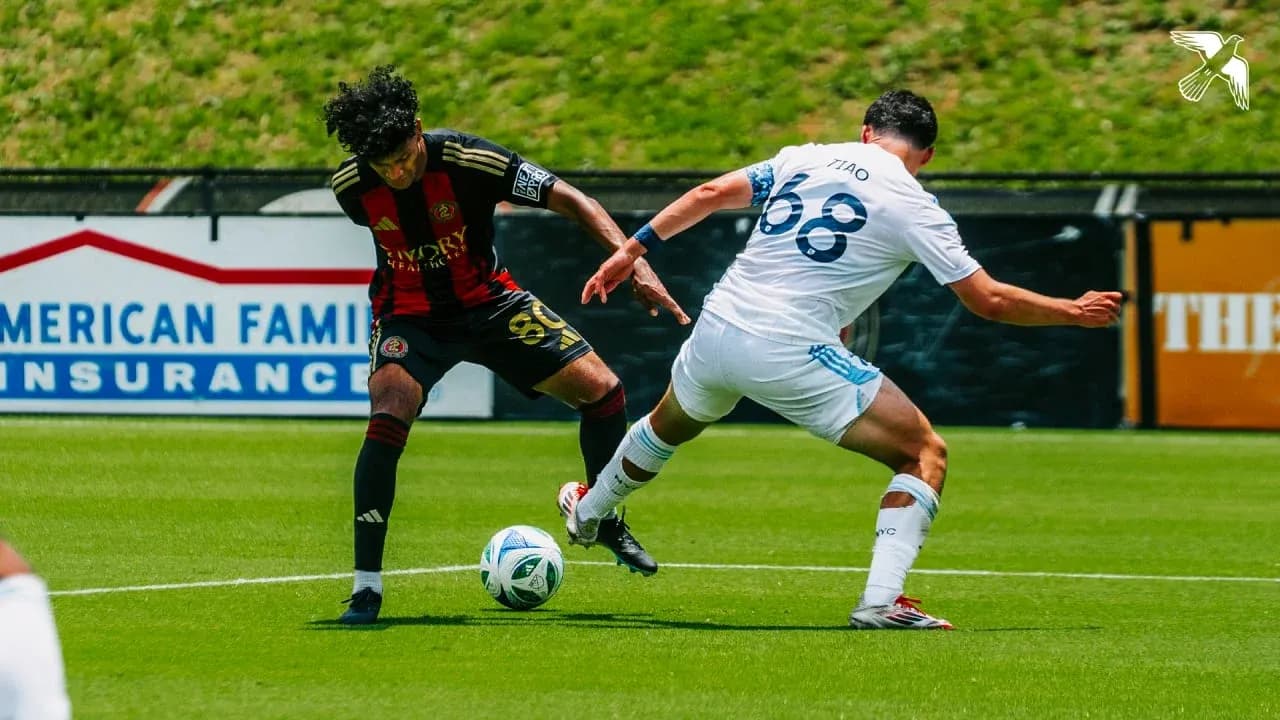
The match itself, finishing 2–1 in favor of Philadelphia after Atlanta had led 1–0 at half-time, felt like a narrative inversion of both teams’ usual arcs. Atlanta’s away attack, which had been their calling card, flashed early with that first‑half advantage, consistent with a side that averages 1.9 goals on their travels. Yet they never found the second punch. Philadelphia, more conservative in output at home, found two after the break to flip the script and align the final scoreline with the deeper numbers: a home side that concedes only 1.1 at Subaru Park against an away side that, for all its firepower, still ships 1.5 per game on the road.
From a squad perspective, both coaches leaned into continuity and youth. Ryan Richter named a tight Philadelphia XI with only five substitutes, a statement of trust in his core group. G. Marks anchored the side, the de facto organizer from the back. Ahead of him, a flexible defensive unit built around O. Pratt, R. Uzcategui, K. Moore and J. Griffin suggested a back line capable of rotating between a back four and asymmetrical shapes depending on Atlanta’s pressing triggers.
The midfield and attacking lanes for Philadelphia revolved around the energy and verticality of N. Hasan, O. Benitez, M. De Paula and W. Ferreira, with T. Reed and E. Davis III providing the running power and pressing intensity higher up. Without explicit positional data, the pattern of the season hints at a side comfortable attacking in waves rather than through a single focal point, consistent with a team whose biggest home win was 4–1 but whose overall home average remains 1.4 goals: when they click, they can flood you.
Atlanta’s XI, meanwhile, was deeper in numbers on the bench and more layered in its attacking options. J. Ransom provided the last line, protected by a back unit featuring D. Chica, M. Senanou, M. Cisset and D. Chong‑Qui. The spine and width came from A. Gill, A. Torres and E. Dovlo, with I. Suarez and C. Dunbar offering penetration and A. Kovac adding another attacking dimension. The bench—M. Tablante, P. Weah, L. Butts, D. Sibrian, I. Ettinger, A. Jardines and M. Pineda—gave Atlanta far more flexibility to change the game state, whether chasing or protecting a lead.
Yet depth alone does not solve structural issues. Atlanta’s season numbers showed a team that can blow games open—away they have a biggest win of 2–6—but also collapse, as seen in a 3–0 away defeat. Their total goals against across the season stood at 16, with 12 of those coming on their travels. Philadelphia, with 12 conceded overall and only 9 at home, were built to absorb and counter rather than to dominate.
Disciplinary profiles added another layer of tension. Philadelphia’s yellow‑card distribution was remarkably even, but with spikes at 16–30 minutes and 61–75 minutes (both 17.65%), and a late surge between 91–105 minutes also at 17.65%. Their red cards this season had come in the 31–45 and 61–75 windows, each accounting for 50.00% of their total reds. Atlanta’s bookings, in contrast, clustered in the second half: 20.83% of their yellows between 46–60, another 20.83% from 61–75, and 20.83% again from 76–90. Their red cards were a pure late‑game hazard, split evenly across 46–60, 61–75 and 76–90, each range responsible for 33.33% of their total reds.
That disciplinary pattern framed the “Hunter vs Shield” dynamic. Atlanta’s attack, the hunter, tends to keep pushing deep into the second half, but their aggression often drags them into card trouble precisely in the 46–90 window. Philadelphia’s shield—defensively more solid at home—has historically risked red cards around half-time and in that same 61–75 zone. In a tight 2–1 match, the fact that both sides finished the regular 90 minutes without the referee reducing either to ten men was almost as decisive as any tactical tweak.
In the “Engine Room” battle, the absence of explicit assist data forced the story to be told through structure rather than star names. For Philadelphia, figures like M. De Paula and W. Ferreira likely carried the responsibility of linking phases, progressing play from the back unit of Pratt, Uzcategui and Moore into the final third where Reed and Davis III could attack space. Atlanta’s equivalent connectors—A. Gill and A. Torres—were tasked with feeding runners like Suarez and Dunbar while also helping their side manage transitions, a delicate task for a team that concedes 1.5 away goals on average.
Statistically, the prognosis heading into the fixture leaned towards a high‑event game. Philadelphia’s total scoring profile—1.4 goals for and 1.1 against per match overall—combined with Atlanta’s 1.9 for and 1.5 against suggested an Expected Goals landscape tilted towards both teams finding the net, with Atlanta marginally more potent but also more vulnerable. The final 2–1 scoreline fits that frame: a narrow xG edge to the home side through more controlled chances, Atlanta generating opportunities but not at their usual away volume.
Following this result, Philadelphia’s identity as one of the conference’s most unpredictable but dangerous playoff contenders is reinforced. They remain a side that either wins or loses, with no middle ground, but now with another comeback narrative in their pocket and further proof that Subaru Park can be a decisive factor. Atlanta leave with their season-long contradictions laid bare once more: a travelling attack that can hurt anyone, an away defense that gives you a chance, and a disciplinary profile that keeps every second half on a razor’s edge.