Pacific FC vs Vancouver FC: A Clash of Seasons in the CPL
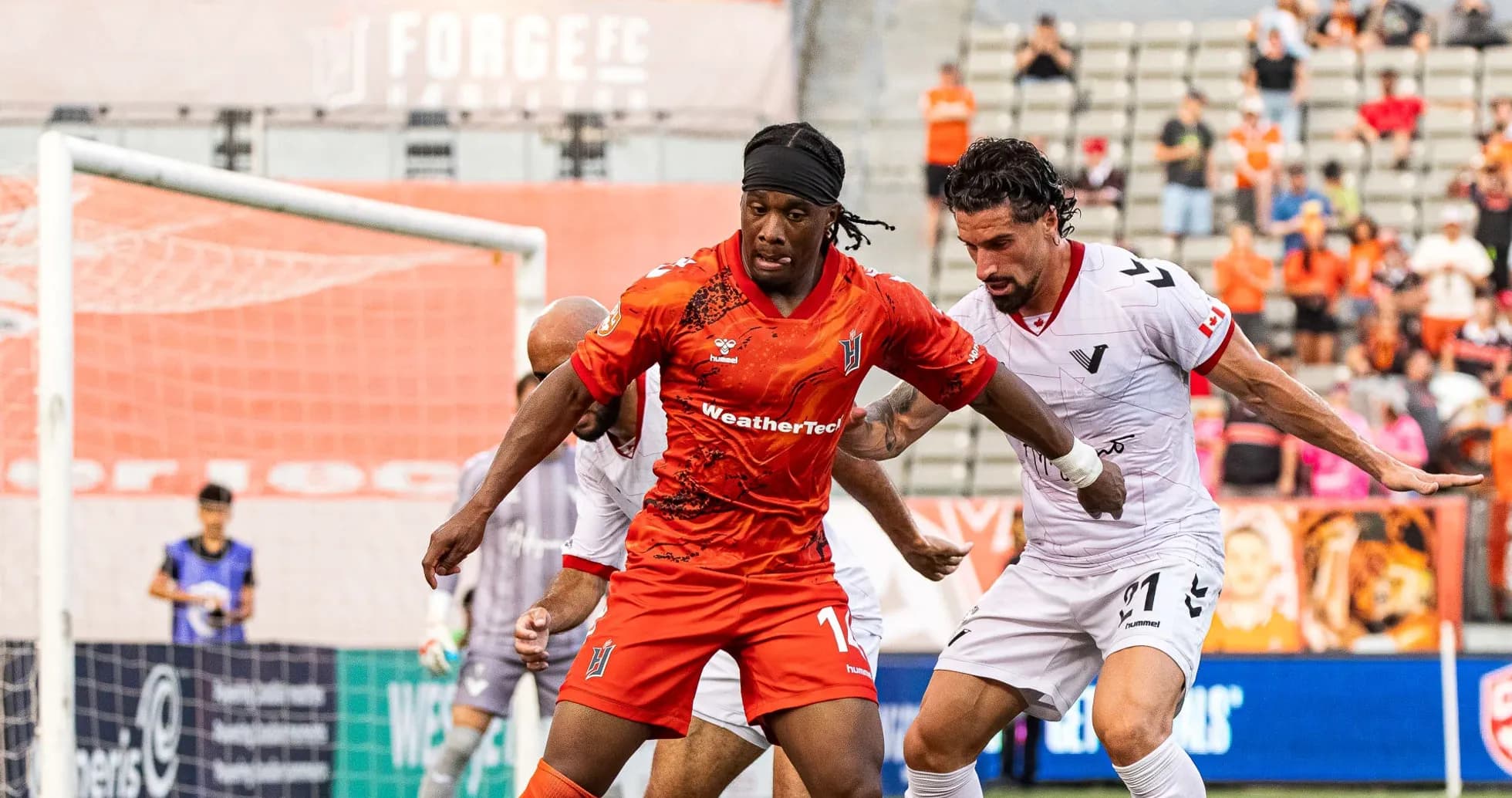
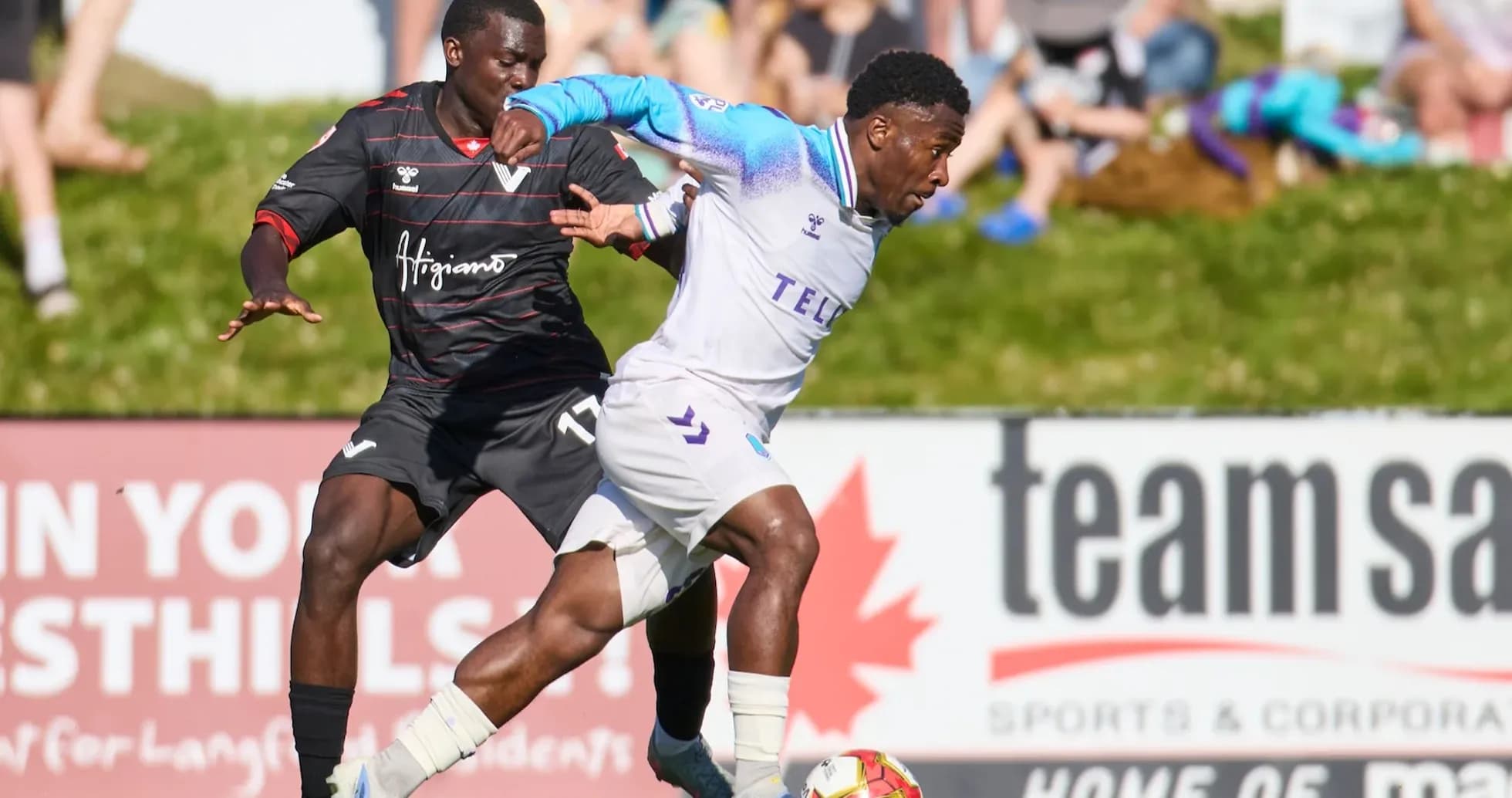
Westhills Stadium has seen its share of storylines, but this 1–1 draw between Pacific FC and Vancouver FC in the Canadian Premier League’s Group Stage felt like two very different seasons colliding. On one side, Pacific, rooted in 8th with 11 points from 22 matches, are a team defined by struggle: just 1 win overall, 8 draws, 13 defeats, and a bruising overall goal difference of -18 from 26 scored and 44 conceded. On the other, Vancouver arrive as a flawed but dangerous contender, 4th with 31 points from 23 games, 9 wins and a positive overall goal difference of 2, built on 31 goals for and 29 against.
The draw on the night mirrors Pacific’s broader identity: stubborn, streaky, and constantly living on the edge of their own defensive chaos. At home this season they have played 12 times, winning just 1, drawing 3 and losing 8, scoring 14 and conceding 22. Vancouver, by contrast, have been volatile but threatening on their travels: 12 away matches, 3 wins, 2 draws, 7 defeats, with 14 scored and 18 conceded. This is not a classic fortress versus road warrior narrative; it is more a clash of a fragile home side and an inconsistent away team that still carries a sharper cutting edge.
Tactical Formation
Terry Dunfield’s choice of a 4-4-2 for Pacific is a notable shift from their most-used 4-2-3-1 this season. It speaks to a desire to simplify the picture, to put two forwards on the last line and stretch a Vancouver back four that has looked more comfortable when the game is in front of them. S. Melvin anchors the side in goal, with a back line of K. Chung, J. Quintana, D. Konincks and C. Greco-Taylor. In front of them, a flat but energetic midfield of M. Bustos, R. Juhmi, T. Gomulka and Y. Toualy supports the front pairing of R. Kratt and A. Daniels.
The tactical voids for Pacific are less about missing names and more about structural scars. Heading into this game, they had kept just 1 clean sheet overall and conceded an overall average of 2.0 goals per match, with 22 conceded at home at an average of 1.8 per game. The minute distribution is damning: 39.02% of their goals conceded come in the 76–90 minute window, with another 29.27% between 46–60. This is a team that fades badly after half-time and then again in the dying moments. Dunfield’s insistence on a back four anchored by Konincks and Quintana is an attempt to steady that storm.
Vancouver's Strategy
On the other bench, M. Nash stays true to Vancouver’s core identity with a 4-2-3-1, the shape they have used most frequently this season. C. Irving starts in goal behind a back four of M. Doner, M. Campagna, Thomas Geoffrey Field and K. Proctor. The double pivot of Benjamin Lee and L. Toomey sits beneath an attacking trio of T. Bah, M. Polisi and M. Amissi, all servicing lone striker T. Campbell.
If Pacific’s issues are defensive collapse, Vancouver’s voids are about rhythm and control. On their travels, they concede 1.5 goals per match on average, scoring 1.2. They have kept only 1 clean sheet away from home and failed to score 5 times away, underlining how easily their attacking fluency can stall when they leave their own ground. Yet their overall record — 9 wins, 4 draws, 10 losses — suggests a side that, when it clicks, can blow teams away in spells.
Disciplinary Issues
The disciplinary backdrop adds another layer of tension. Pacific are one of the league’s most combustible sides. Their yellow card profile is scattered across the match, but there is a spike late: 16.67% of their yellows arrive between 76–90 minutes, and an extraordinary 26.19% after 90. Their red card distribution is even more dramatic: 66.67% of their reds come in the 76–90 window, with another 16.67% between 31–45 and 16.67% after 90. That volatility is embodied by players like J. Heard, who has collected 2 reds this season, and J. Quintana and M. Bustos, each with a red of their own. It is no coincidence that Pacific so often unravel just as matches reach their decisive phase.
Vancouver are more controlled but still combative. They have no reds this season, yet their yellows peak at 23.68% between 76–90 minutes and 21.05% between 46–60. M. Polisi is the face of that edge: 6 yellow cards in 20 appearances, while still providing 1 assist, 456 passes at 85% accuracy and 18 tackles. Alongside him, T. Bah walks a fine line between menace and risk: 5 yellows, 3 goals, 1 assist, 21 tackles, and 126 duels contested with 66 won.
Key Matchups
The “Hunter vs Shield” matchup is layered. For Pacific, the primary hunter is A. Díaz off the bench: 5 goals and 1 assist this season from 19 appearances, with 3 penalties scored and none missed. He is supported by the creative duo of Bustos and Toualy. Bustos brings 2 goals, 1 assist and 18 key passes, while Toualy is the league’s top provider with 5 assists, 2 goals, 12 key passes and 36 dribble attempts with 20 successful. Their task is to unlock a Vancouver defence that, overall, concedes 1.3 goals per match and has been particularly solid at home, but more vulnerable away.
On the other side, Vancouver’s attacking trident is led by T. Campbell, with 4 goals this season, and supported by Bah and the clever movement of L. Mousset from the bench, who has 3 goals and 1 assist in 17 appearances. Against a Pacific defence that concedes an overall average of 2.0 goals and has allowed 44 in 22 games, this is where Nash will expect his side to tilt the balance.
Midfield Battle
In the engine room, the duel between Pacific’s R. Juhmi and Vancouver’s Polisi may quietly define the tempo. Juhmi, with 459 passes at 86% accuracy, 20 tackles and 8 interceptions, is a ball-winner and recycler whose 6 yellow cards underline his willingness to foul to break rhythm. Polisi, by contrast, offers a blend of control and bite, with his 456 passes at 85% accuracy, 7 key passes and 18 tackles. If Juhmi can disrupt Vancouver’s build-up and deny clean service into Bah and Campbell, Pacific can drag the game into the scrappy, transitional exchanges where Toualy and Bustos thrive.
Statistical Overview
Statistically, the late-game intersection is brutal for Pacific. They score most often between 46–60 minutes (24.14% of their goals) and maintain a decent output between 61–75 (17.24%) and 76–90 (17.24%). But defensively, that same 76–90 window is their Achilles’ heel, with 39.02% of their goals conceded arriving there. Vancouver’s goal timing profile is not detailed in the data, but their yellow card spikes late suggest they are often still contesting games deep into matches, willing to take tactical fouls to protect leads or chase results.
From an xG-style lens, even without explicit figures, the patterns are clear. Pacific’s overall scoring average of 1.2 per match and concession rate of 2.0 suggest that, on most days, they are out-chanced and out-created. Vancouver’s more balanced profile — 1.3 scored and 1.3 conceded overall — hints at a side whose matches are decided on fine margins, where their attacking quality can tip the scales.
The 1–1 scoreline here feels like a microcosm of both teams’ seasons. Pacific showed enough attacking invention through Bustos and Toualy, and enough set-piece and penalty reliability through Díaz, to trouble a better-ranked opponent. Vancouver, meanwhile, demonstrated again that their 4-2-3-1, with Bah and Campbell as the primary threats and Polisi as the metronome, can carve out chances even when they do not fully control the game.
Following this result, the tactical prognosis for both sides diverges. Pacific must find a way to close the late-game defensive chasm and rein in their disciplinary chaos if they are to turn stubborn draws into precious wins. Vancouver, for their part, will feel that with sharper game management on their travels and a bit more ruthlessness in front of goal, their statistical foundation — solid scoring, manageable concession rates, and a disciplined card record — still points toward a side capable of consolidating, or even improving, their place in the upper half of the table.