Ottawa vs York United: A Clash of Contrasting Seasons
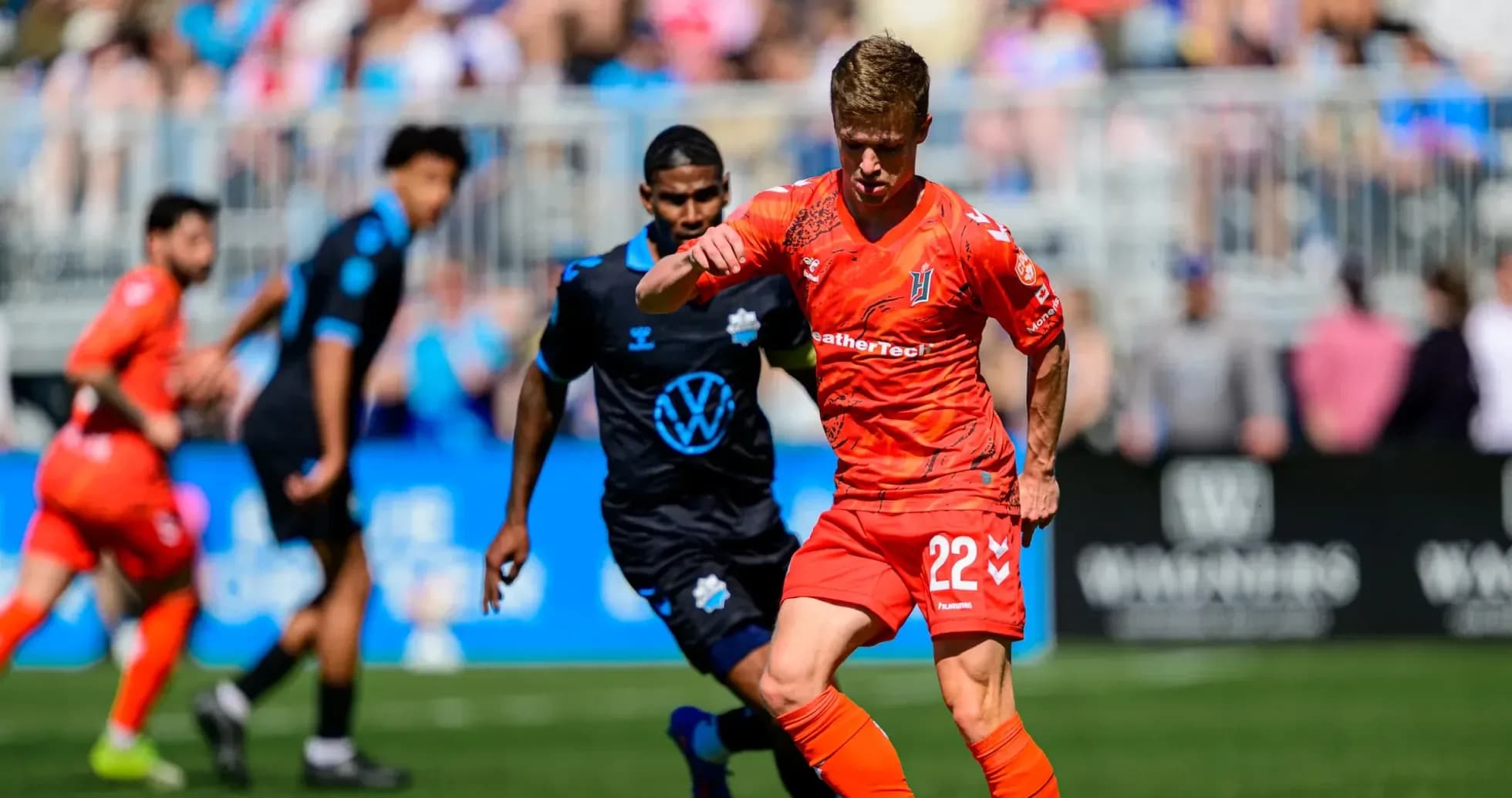
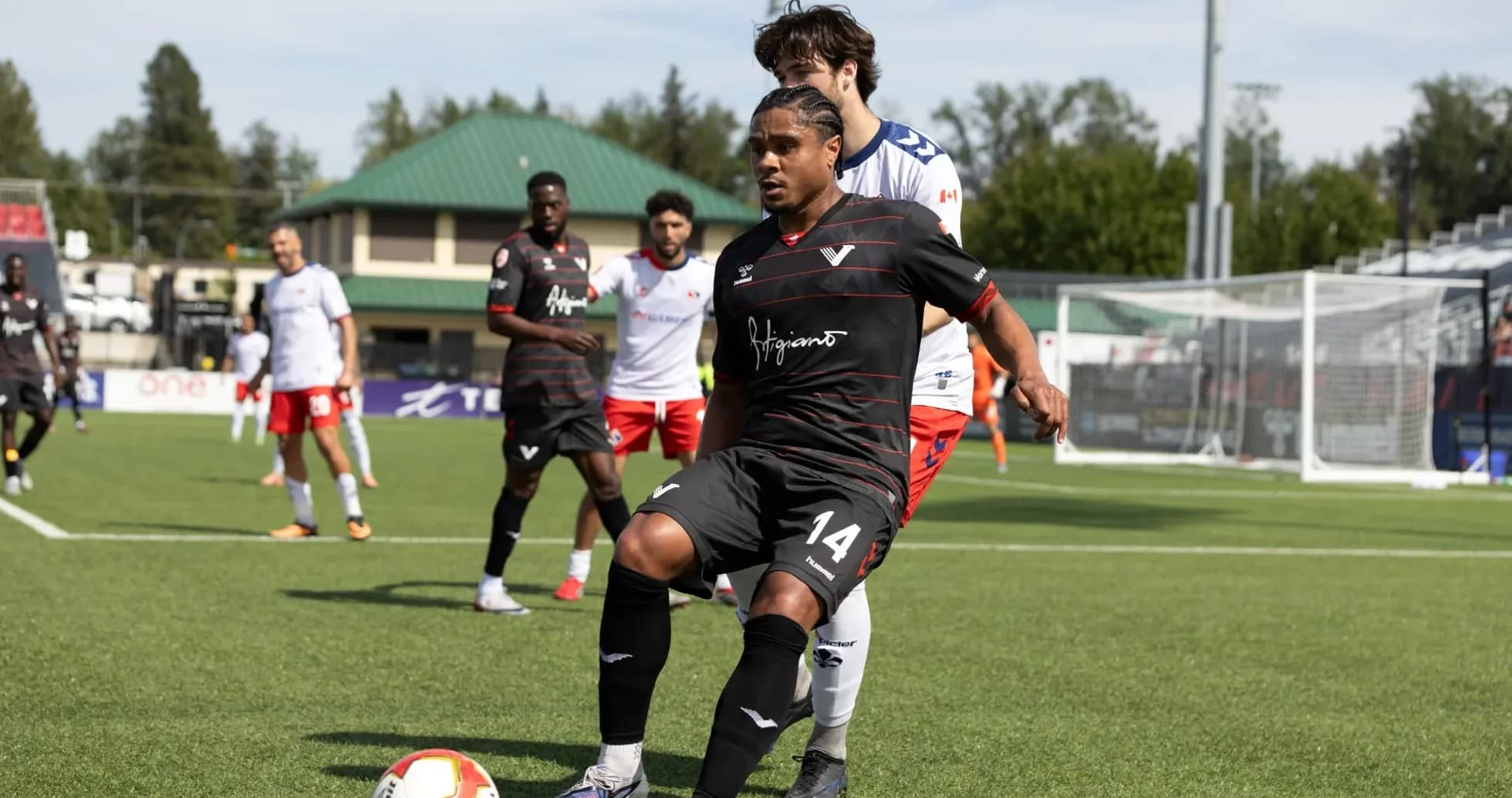
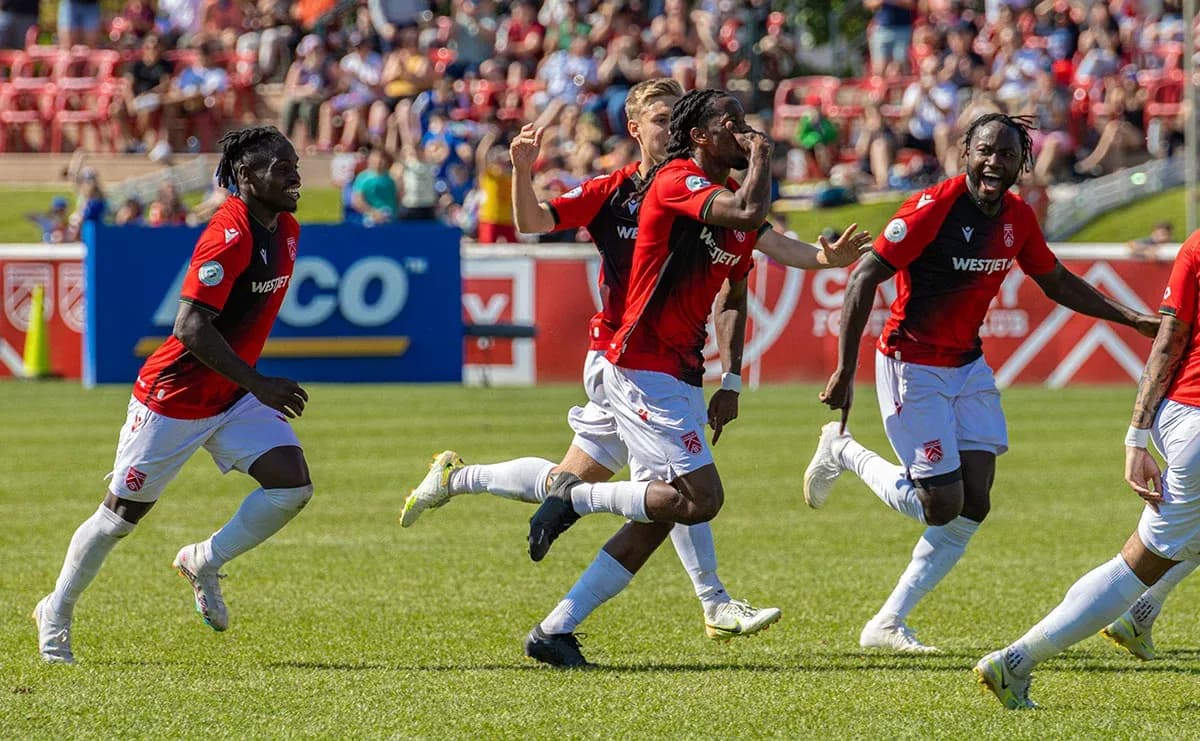
Under the Friday night lights at TD Place Stadium, this Canadian Premier League meeting between Atlético Ottawa and York United arrives with the feel of two teams living very different versions of the same season.
Heading into this game, Ottawa sit 3rd with 33 points from 20 matches, their overall goal difference perfectly balanced at 0 after scoring and conceding 34. York, by contrast, travel in 7th with 18 points from 17 games and a far more fragile overall goal difference of -15, having scored 22 and shipped 37. On paper, it is a clash between a side sharpening itself for a title push and another trying to steady a listing ship.
I. The Big Picture – contrasting identities
Ottawa’s seasonal DNA is clear: they are a late-surging, front-foot side at home. At TD Place they have won 7 of 10 league matches, drawing 2 and losing just 1, with 21 goals scored and 13 conceded. That translates to an average of 2.1 goals scored and 1.3 conceded at home, a profile of a team that trusts its attacking patterns and can live with a bit of defensive risk.
The timing of those goals is telling. Overall this campaign, Ottawa have produced a remarkable late-game surge, with 40.00% of their goals coming between 76-90 minutes and a further 22.86% between 61-75. They are built to overwhelm opponents as legs tire. Yet there is a vulnerability at the other end: 24.24% of their goals conceded arrive in the first 15 minutes, and 57.57% come before half-time. Ottawa often start open and occasionally careless, then grow into matches with increasing control and menace.
York United’s identity is almost the inverse. On their travels they have 1 win, 4 draws and 4 defeats from 9 away games, scoring 7 and conceding 18 – just 0.8 goals scored away per match against 2.0 conceded. Their attacking production spikes earlier: 31.58% of their goals arrive between 46-60 minutes and 21.05% in each of the 0-15 and 61-75 windows. Defensively, though, they bleed steadily, with 20.00% of goals conceded between 46-60 minutes and 22.50% in each of the 61-75 and 76-90 ranges. York’s problem is not a single weak phase; it is the inability to close the door once matches open up.
II. Tactical voids and disciplinary shadows
There are no explicit absences listed, so both coaches, Drew Beckie for Ottawa and Mauro Eustaquio for York, appear to have their main weapons available. But the disciplinary histories of their key figures hang over the fixture.
For Ottawa, Gabriel Antinoro brings both flair and edge. He has already been sent off once this season, and his profile – 39 duels won from 90, 39 dribble attempts, and a red card on his record – marks him as a high-risk, high-impact midfielder. Manuel Aparicio is another emotional pivot: 5 yellow cards in 20 appearances, 16 fouls committed and 22 tackles underline his role as the heartbeat in central areas, but also a potential flashpoint if York manage to drag the game into a scrap.
York’s biggest disciplinary warning light is not on the pitch here but in the data: T. Skublak, their most card-prone player with 6 yellows, is also one of their most important attackers. Even if he is not listed in this particular matchday squad, his profile frames the broader York mentality: aggressive in duels, often walking the line. Within this XI, Sebastián Gonzales carries a red card on his season record; his presence up front suggests York are willing to accept risk in search of physical presence and pressing from the front.
Ottawa’s own season-long card pattern reinforces the sense of late-game volatility. A hefty 36.36% of their yellow cards arrive between 76-90 minutes, with another 20.45% in added time. They do not simply finish games strongly; they finish them on an emotional edge.
III. Key matchups – Hunter vs Shield, Engine Room battles
The clearest “Hunter vs Shield” duel is Ballou Tabla against York’s stretched back line. Tabla arrives as Ottawa’s leading scorer with 5 goals and 1 assist from 20 appearances, operating as a constant threat between the lines. His efficiency is notable: 16 shots, 10 on target, 19 dribble attempts with 9 successful, and 7 key passes. Against a York defence conceding 2.0 goals per game away and particularly fragile in the 61-90 window, Tabla’s ability to carry the ball at pace into tired defenders feels decisive.
Alongside him, Nicolas Fleuriau Chateau is a devastating impact option. In just 188 minutes he has 3 goals and 2 assists, with 4 shots on target from 7 and a perfect dribble record so far. If Ottawa are level or chasing the game after the hour, his introduction against a back line that concedes 45.00% of its goals between 61-90 minutes could tilt the balance.
On York’s side, Beni Badibanga is the creative fulcrum. With 3 assists from 295 minutes, 10 key passes and 81% passing accuracy, he is the one most likely to feed runners like Sebastián Gonzales or stretch Ottawa’s back three or four. His duel with Daniel Aguilar and Aparicio in central areas will decide how often York can escape Ottawa’s press and play forward.
In the “Engine Room,” Aparicio’s 562 passes and 11 key passes mark him as Ottawa’s metronome. He will be tasked with circulating possession quickly enough to exploit York’s mid-block, particularly just after half-time when York tend to open up. His opposite numbers, Oswaldo Leon and C. Guzman, must compress space and deny him easy forward lanes, or York will be forced into the kind of chaotic, transition-heavy game that suits Ottawa’s attackers.
IV. Statistical prognosis – a late Ottawa squeeze
The season-long numbers point toward an Ottawa-dominated territorial game, with York relying on moments rather than sustained pressure. Ottawa’s overall averages of 1.7 goals scored and 1.7 conceded per match, combined with their strong home record, suggest they are comfortable in high-event contests. York’s overall 1.3 goals scored and 2.2 conceded, especially the 18 goals shipped away, indicate that once they fall behind, they struggle to lock games down.
The penalty story adds another layer. Ottawa have won 4 penalties this season, scoring 2 and missing 2; they are far from automatic from the spot, and those 2 misses underline that even when they engineer high-value chances, waste can creep in. York, by contrast, have yet to win or take a penalty, which fits the broader narrative of a team that rarely occupies the most dangerous zones for long enough to draw fouls.
Overlaying the minute-by-minute distributions creates a clear tactical intersection: Ottawa’s late offensive surge collides directly with York’s late defensive collapse. With 40.00% of Ottawa’s goals coming between 76-90 minutes and 22.50% of York’s concessions arriving in that same period (plus another 22.50% between 61-75), the final half-hour looks like the decisive theatre.
Expect York to be compact early, probing through Badibanga and hoping Gonzales can unsettle Ottawa’s back line in transition, especially given Ottawa’s tendency to concede 24.24% of their goals in the opening 15 minutes. But as the game stretches and the substitutes arrive, Ottawa’s depth in attack – Tabla’s constant threat, Fleuriau Chateau’s explosive efficiency, and the creative support of Emiliano García and Jean-Aniel Assi – should tilt the xG balance their way.
From a tactical and statistical standpoint, the match shapes as a contest where York must be almost perfect for 90 minutes to escape, while Ottawa, with their late-game power and superior home form, need only avoid early self-sabotage to eventually squeeze the visitors into submission.