Nottingham Forest vs Newcastle: Tactical Insights from the 1-1 Draw
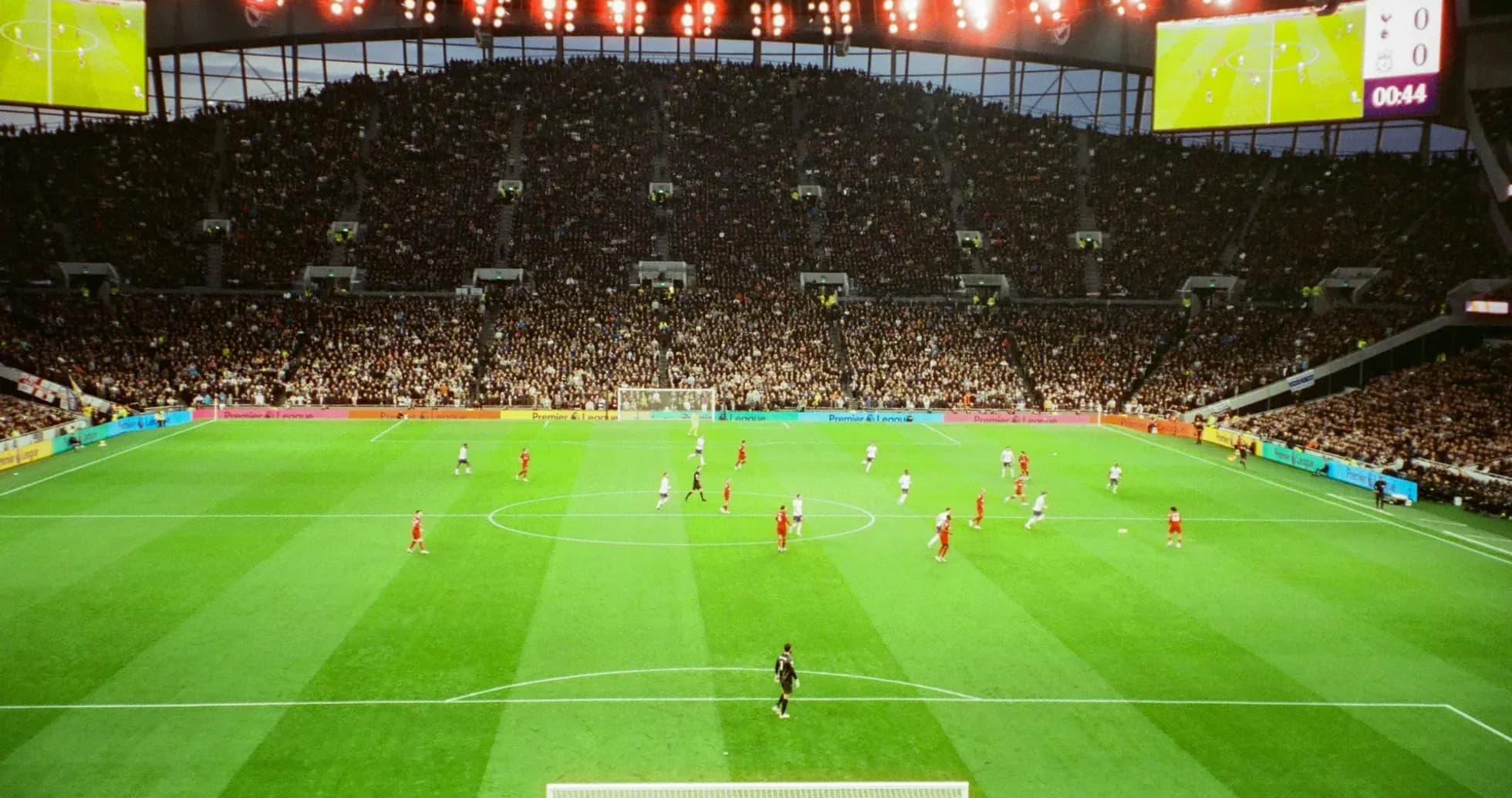
On a cool afternoon at the City Ground, Nottingham Forest and Newcastle shared a 1-1 draw that felt less like a dead rubber and more like a tactical stress test for two sides trying to redefine themselves. In the Premier League’s Regular Season - 36, Forest arrived in 16th on 43 points, Newcastle 13th on 46, both carrying negative goal differences of -2 (Forest’s 45 goals for and 47 against; Newcastle’s 50 for and 52 against). Following this result, the table still paints them as mid-to-lower pack sides, but the performances hinted at clearer identities.
I. The Big Picture – Systems in Tension
Forest’s seasonal DNA is that of a team still learning how to live on the edge. Overall this campaign they average 1.3 goals scored and 1.3 conceded per match, with a stark split between a slightly cautious City Ground persona (1.1 goals for, 1.2 against at home) and a more expansive, risk‑taking version on their travels (1.4 for, 1.4 against away).
Against Newcastle, Vitor Pereira leaned into a bolder home identity with a 3-4-2-1 that felt like a deliberate break from Forest’s comfort zone. Across the season their most-used shape has been 4-2-3-1 (29 matches), yet here he trusted a back three of N. Milenkovic, Cunha and Morato, wing-backs pushed high, and a fluid front line behind T. Awoniyi. It turned the City Ground into a narrow, vertical corridor, compressing space where Newcastle like to build.
Eddie Howe answered with a 4-2-3-1 of his own, a system Newcastle have used only 5 times this campaign compared to 27 outings in 4-3-3. With N. Pope behind a back four of L. Hall, M. Thiaw, S. Botman and D. Burn, and a double pivot of S. Tonali and Bruno Guimarães, Newcastle tried to create a passing box in midfield and feed an advanced line of J. Murphy, N. Woltemade, Joelinton and W. Osula. On paper it was a control structure; on the pitch, it often became a grind against Forest’s extra central defender.
II. Tactical Voids – Absences and Discipline
The team sheets were shaped as much by who was missing as who played. Forest were stripped of a spine of experience and creativity: W. Boly (knee injury), Murillo (muscle injury), I. Sangare, O. Aina, C. Hudson-Odoi, John Victor, N. Savona and the league’s sixth‑ranked attacking midfielder M. Gibbs-White (13 goals, 4 assists this season) were all out. Gibbs-White’s absence was particularly stark: 54 shots, 28 on target, 46 key passes and 13 league goals have been the creative engine of Forest’s season. Without him, Pereira turned to E. Anderson and D. Bakwa as hybrid creators, more runners than pure playmakers.
Newcastle’s voids were concentrated in defence and youthful energy: E. Krafth, V. Livramento, F. Schär and L. Miley all missed out, forcing Howe to lean heavily on S. Botman and D. Burn as his senior defensive axis, with L. Hall and M. Thiaw completing a back line that had to learn each other on the fly.
Disciplinary trends framed the risk. Heading into this game, Forest’s yellow-card profile showed a second‑half spike, with 25.86% of their bookings arriving between 46-60 minutes and 22.41% from 61-75. Newcastle, by contrast, are late‑game agitators: 28.13% of their yellows come in the 76-90 window, with a further 17.19% between 91-105. This match followed the script: Forest’s aggression after the break and Newcastle’s late‑game edge made the final quarter-hour feel like a controlled brawl, even if the card count stayed within reason.
III. Key Matchups – Hunter vs Shield, Engine Room
Hunter vs Shield was, by necessity, a collective duel rather than a single headline striker. Forest, without Gibbs-White, leaned on Awoniyi as the penalty-box reference, flanked by Bakwa and Igor Jesus. Over the season Forest’s attack has been balanced rather than explosive, with their biggest home win a 4-1 and their overall goal spread steady rather than spiky. Against a Newcastle side that concedes 1.3 goals on their travels, Forest’s 1.1 home scoring average suggested a tight margin. The 1-1 outcome mirrored those numbers almost too neatly.
Newcastle’s shield has been inconsistent away from home, conceding 23 goals in 18 away matches at an average of 1.3. Without Schär’s organisational presence, the responsibility fell on Botman’s positioning and Burn’s ruggedness. Burn, who has 10 yellow cards and 1 yellow-red this season, again walked the line between dominance and danger, engaging physically with Awoniyi and tracking Bakwa’s diagonal runs from the half-space.
In the Engine Room, the contrast was vivid. Forest’s double axis of N. Dominguez and E. Anderson had to cover for the missing control that Sangare and Gibbs-White usually provide. Dominguez’s role was to disrupt Bruno Guimarães, who has been one of the league’s most complete midfielders this season: 9 goals, 5 assists, 1337 passes at 86% accuracy, 45 key passes and 56 tackles. Bruno’s capacity to both break lines and break up play meant Forest’s press had to be coordinated; when he found time, Newcastle looked like a top-half side, when he was crowded, their attacks stalled into hopeful wide deliveries.
Alongside him, S. Tonali offered vertical passing but also bite, while Joelinton – one of the league’s most carded midfielders with 10 yellows – patrolled the left half-space, colliding repeatedly with N. Williams. Williams, Forest’s top red-carded player this season, is a high‑risk, high‑reward outlet: 2 goals, 3 assists, 36 key passes and 91 tackles, plus 14 blocked shots. His duel with Joelinton was as much about territorial control as it was about discipline; every 50-50 felt like it might tilt the game or trigger the referee’s whistle.
IV. Statistical Prognosis – What This Draw Tells Us
From a macro lens, this 1-1 felt almost pre-written by the season’s numbers. Forest, with 11 wins, 10 draws and 15 losses overall, are a side that lives in narrow margins and stalemates. Newcastle, with 13 wins, 7 draws and 16 defeats, mirror that volatility. Both own a -2 goal difference; both concede at roughly the same rate they score.
Expected Goals data is not provided, but the structural hints are clear. Forest’s 14 failed-to-score matches overall and Newcastle’s 8 suggest that both can drift into sterile domination. Yet both also carry enough individual quality – Bruno’s passing, Joelinton’s chaos, Williams’ driving runs, Awoniyi’s penalty‑box presence – to conjure a goal from a half-chance. A 1-1 draw at the City Ground, with Forest’s home average of 1.1 goals and Newcastle’s away concession of 1.3, sits right at the intersection of those trends.
Defensively, neither side looks built for sustained clean-sheet runs. Forest’s 9 clean sheets overall and Newcastle’s 8 indicate they can shut games down, but not habitually. With both teams’ disciplinary peaks coming after half-time – Forest early in the second half, Newcastle late – the closing stages of matches are likely to stay fractured, with transitions and set-pieces rather than long spells of calm control.
As a tactical preview of where these squads might go next, this match underlined Forest’s potential in a back three built around Milenkovic and Morato, with Williams and L. Netz as aggressive wing-backs, and hinted at Newcastle’s reliance on Bruno as their metronome and on Burn and Botman as their defensive spine. The numbers say mid-table; the structures suggest that, with better fitness and fewer absentees, both could yet punch above that label.