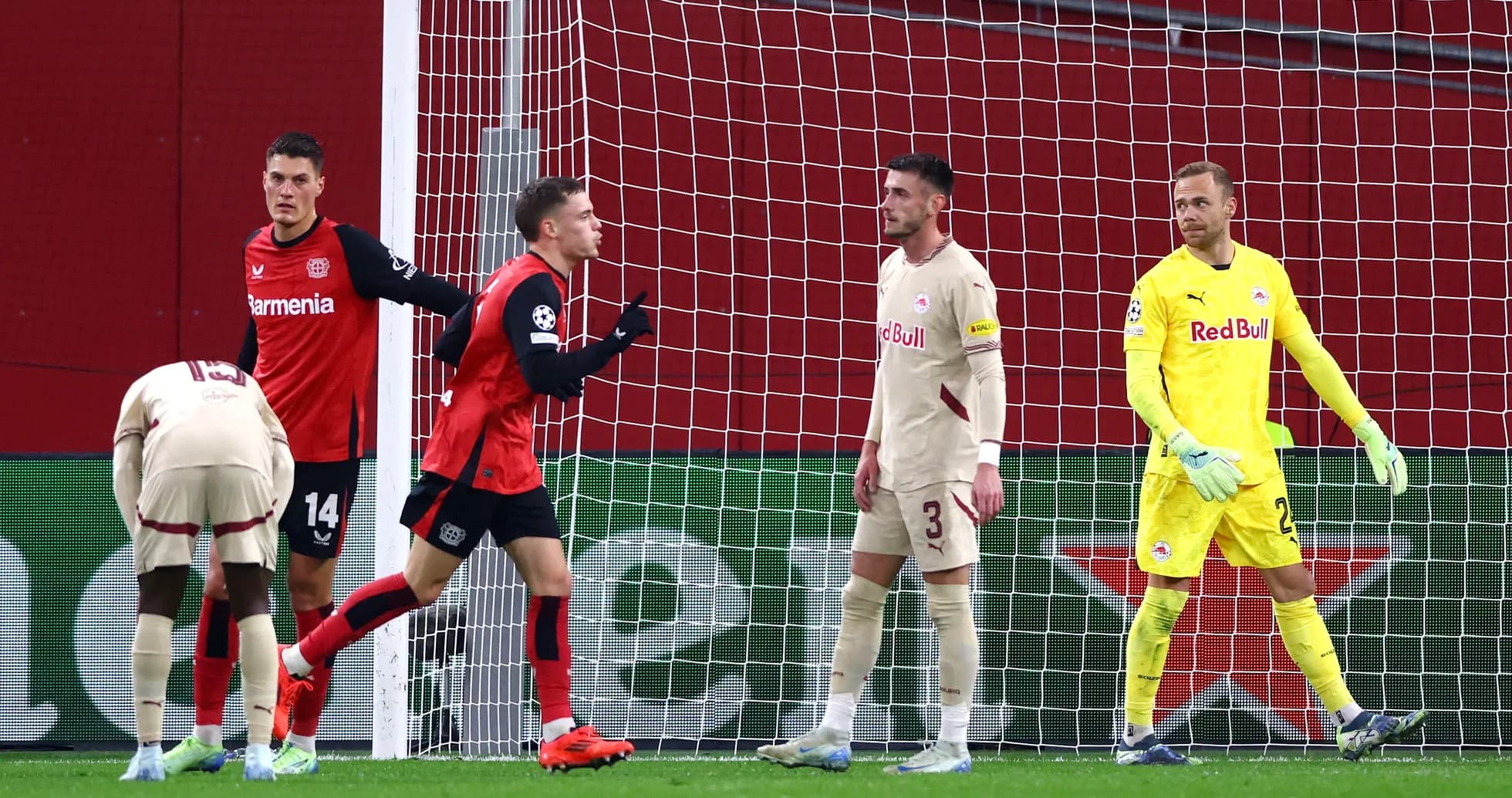
Nice Triumphs Over GO Ahead Eagles in Tactical Clash
This was a classic clash between territorial control and space control. GO Ahead Eagles dominated the ball with 65% possession and completed 453 of 529 passes (86%), circulating patiently in a 4-2-3-1 structure to pin Nice back. Yet Nice, with only 35% possession and 278 passes at 76% accuracy, clearly prepared a low-possession, high-transition game plan. Their 3–1 win reflects clinical counter-attacking and direct progression rather than long spells on the ball. Nice’s compact block invited Eagles forward, then exploited the spaces left behind, especially through their advanced midfield line, turning limited possession into high-value attacks.
Offensive Efficiency
Despite having less of the ball, Nice actually edged the shot count: 19 total shots to GO Ahead Eagles’ 18. Crucially, Nice took 14 of those 19 attempts from inside the box, underlining a strategy focused on penetrating runs and quick combinations into dangerous central areas rather than speculative efforts. Their 6 shots on goal from 19 attempts, backed by an xG of 2.16, show a steady stream of quality chances that aligned with the final scoreline.
GO Ahead Eagles also generated 14 shots inside the box from 18 total, but with only 5 on target and a lower xG of 1.7 despite more territorial dominance. Their 12 corners to Nice’s 6 indicate long phases of pressure and territorial siege, especially after falling behind, yet that volume did not translate into proportional efficiency. Nice’s ruthlessness is highlighted by converting a similar shot volume and slightly higher xG into a two-goal margin, while Eagles’ possession and set-piece advantage produced only a single goal. The flow suggests Nice struck in key transition moments, then managed the game, while Eagles were forced into chasing and crossing-heavy phases.
Defensive Discipline & Intensity
The match was relatively controlled in terms of fouls: 9 by GO Ahead Eagles and 8 by Nice, pointing more to tactical, rather than chaotic, aggression. Three yellow cards for Eagles and two for Nice, including bookings around the 52nd minute for both sides, reflect growing frustration as Eagles struggled to turn dominance into goals and Nice looked to disrupt rhythm when needed.
Defensively, neither goalkeeper was overworked: 3 saves each. That balance, despite Eagles’ higher possession and corners, underscores how well Nice protected their box with 7 blocked shots compared to Eagles’ 5. Nice’s block count shows a compact, sacrifice-heavy defensive approach, absorbing pressure and forcing less clean looks at goal. With “goals_prevented” at 0 for both keepers, the difference came less from heroic shot-stopping and more from Nice’s structural solidity and timing of interventions inside the area.
Conclusion
Ultimately, Nice’s compact defensive block and transition-focused attacking, reflected in 19 shots from just 35% possession and a higher xG, trumped GO Ahead Eagles’ sterile domination of the ball. Eagles controlled territory and set pieces, but Nice controlled the decisive spaces and moments.