Neymar's Return: Brazil vs. Japan Showdown in World Cup Knockouts
Neymar’s long road back to the World Cup spotlight reaches another checkpoint on Monday. The stage is set, the stakes are rising, but Carlo Ancelotti is keeping a firm hand on the brakes.
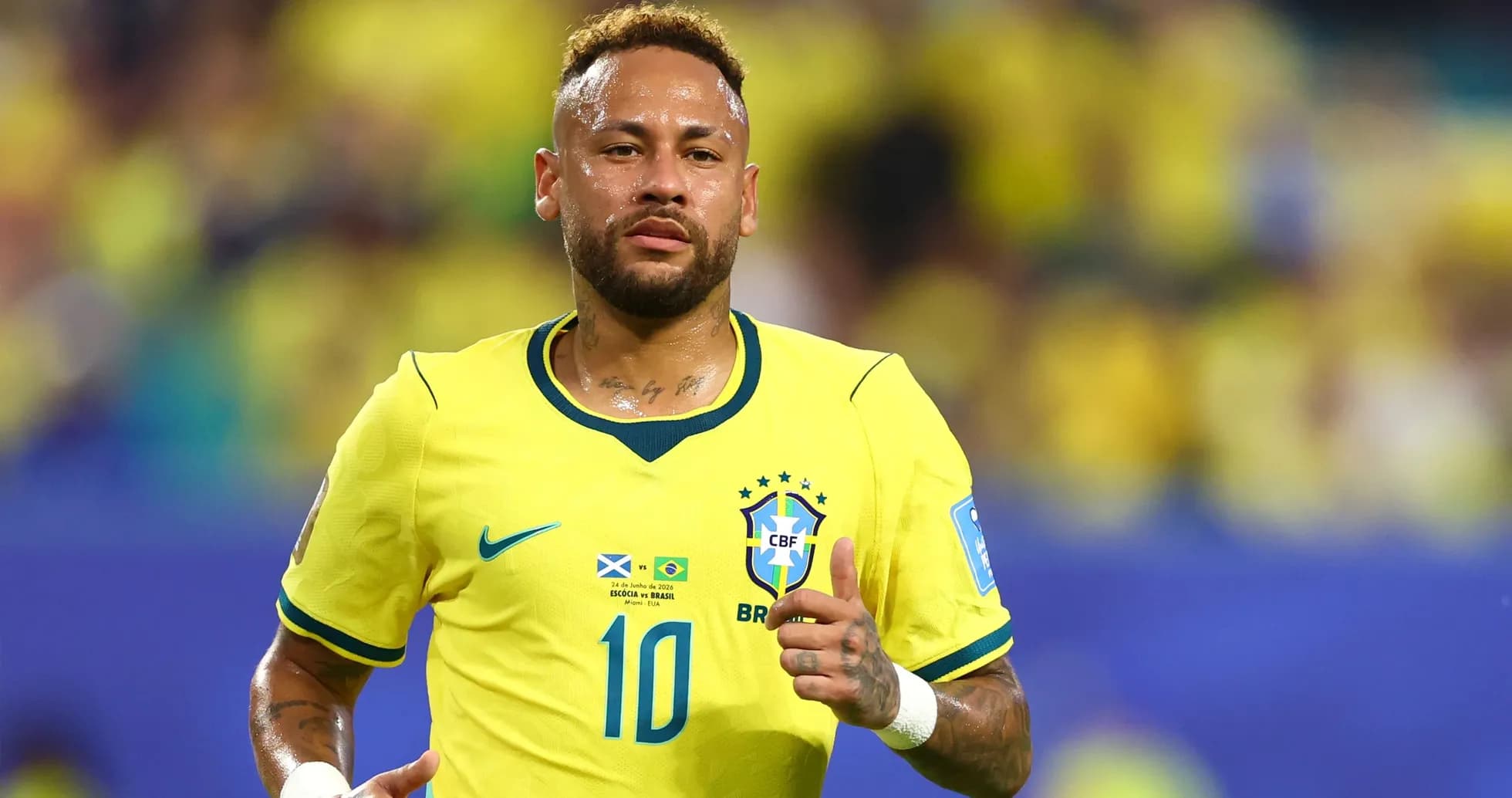
The 34-year-old forward has spent the last three years in the wilderness as far as the Seleção are concerned, his story since October 2023 written more in medical reports than match reports. A serious knee injury, then a calf problem, stripped him of the opening games against Morocco and Haiti and left Brazil to start this tournament without their most recognisable star.
His return finally came in the most understated of ways: a brief cameo in Brazil’s final group-stage win over Scotland. It was only a few minutes, yet it carried the weight of an era. One touch, one sprint, one feint – enough to convince a nation that a starting place in the knockouts might be just around the corner.
Ancelotti, though, is not swayed by emotion.
Ancelotti pulls rank on emotion
The Brazil coach cut through the noise when he faced reporters ahead of the round of 32 clash, delivering a clear message: Neymar is back, but not back to full throttle.
“Neymar has progressed very well. I think he improved a lot last week,” Ancelotti said. “It’s a shame he couldn’t train the whole time he was with us. He can play more than 15 minutes. He’s in good shape. But it depends a lot on the game context and how things develop.”
That last line matters. This is not a farewell tour or a testimonial. Ancelotti is preparing for a knockout tie against a Japan side that has made a habit of bloodying bigger noses. Sentiment will not pick the team; the rhythm of the game will decide when, and how long, Neymar is unleashed.
The plan is clear: no guaranteed 90 minutes, no romantic gamble. Brazil will manage their number 10 like a precious asset, not a nostalgia act.
Japan’s quiet confidence
If Neymar’s return has dominated the Brazilian narrative, Japan have brought their own spark to the build-up, and it has come from an unexpected voice.
Kento Shiogai, the 21-year-old Wolfsburg forward with just six minutes of action at this tournament, has suggested that Brazil may no longer be the unshakeable force they once were in world football. The comments have added a dash of spice to an already fascinating tie, a young striker poking at one of the game’s giants.
Ancelotti refused to bite.
“I won’t repeat what others say. We’re focused on the match, on the opponent’s qualities, on preparing well to avoid problems,” he said. “That’s what match preparation is about. We’re not doing what they call in England ‘mind games.’ How do you say it in Portuguese? Mind games. We’re not going there.”
No verbal sparring, no public feud. Just a veteran coach shutting the door on distractions and dragging the conversation back to the grass.
A familiar warning from Tokyo
Brazil arrive as favourites. On paper, they should. On current form, that status is far less comfortable.
Japan are on a 10-game unbeaten run, and the list of victims is not padded with minnows. A 3-2 win over Brazil in Tokyo sits at the heart of that streak, a friendly in name only that exposed just how dangerous the Samurai Blue can be when they smell weakness. They also walked into Wembley and beat England, another reminder that this is not a side overawed by reputation or venue.
Ancelotti will not need a long memory to recall that October night in Tokyo. Brazil led at the break, seemingly in control, only for Japan to flip the game in the second half. It was a template in miniature: sharp transitions, relentless energy, and a refusal to accept the script.
Their World Cup so far has followed the same theme. Second place in Group F came via a 2-2 draw with the Netherlands, a ruthless 4-0 dismantling of Tunisia, and a 1-1 draw with Sweden. Different styles, different problems, same outcome: Japan found a way through.
They are not here to make up the numbers. They are here to test Brazil’s nerve.
Brazil’s gamble without gambling
So Ancelotti walks a tightrope. On one side, the temptation of starting Neymar, riding the emotional surge, and trying to blow the game open early. On the other, the cold logic of a player who has barely trained fully and only just stepped back into international football.
His comments leave little doubt: Neymar will be a weapon, but a controlled one. “He can play more than 15 minutes,” the coach said, a line that hints at a larger role but stops well short of promising a full match.
That “game context” he mentioned may define Brazil’s night. If they dominate early, Neymar can be eased in, given minutes without the burden of dragging a team back from the brink. If Japan turn it into a fight, his introduction could become a calculated risk rather than a luxury.
What is certain is that his presence, even on the bench, changes the atmosphere. Opponents think differently. Teammates stand a little taller. Fans believe again.
Brazil still carry the weight of expectation into every World Cup knockout tie. Japan arrive with momentum, belief, and a recent win over the five-time champions in their back pocket.
Between those two forces sits Neymar, finally fit enough to matter again, yet still not fully free. How long he plays, and when he steps onto the pitch, may tell us as much about Brazil’s ambition as it does about his recovery.