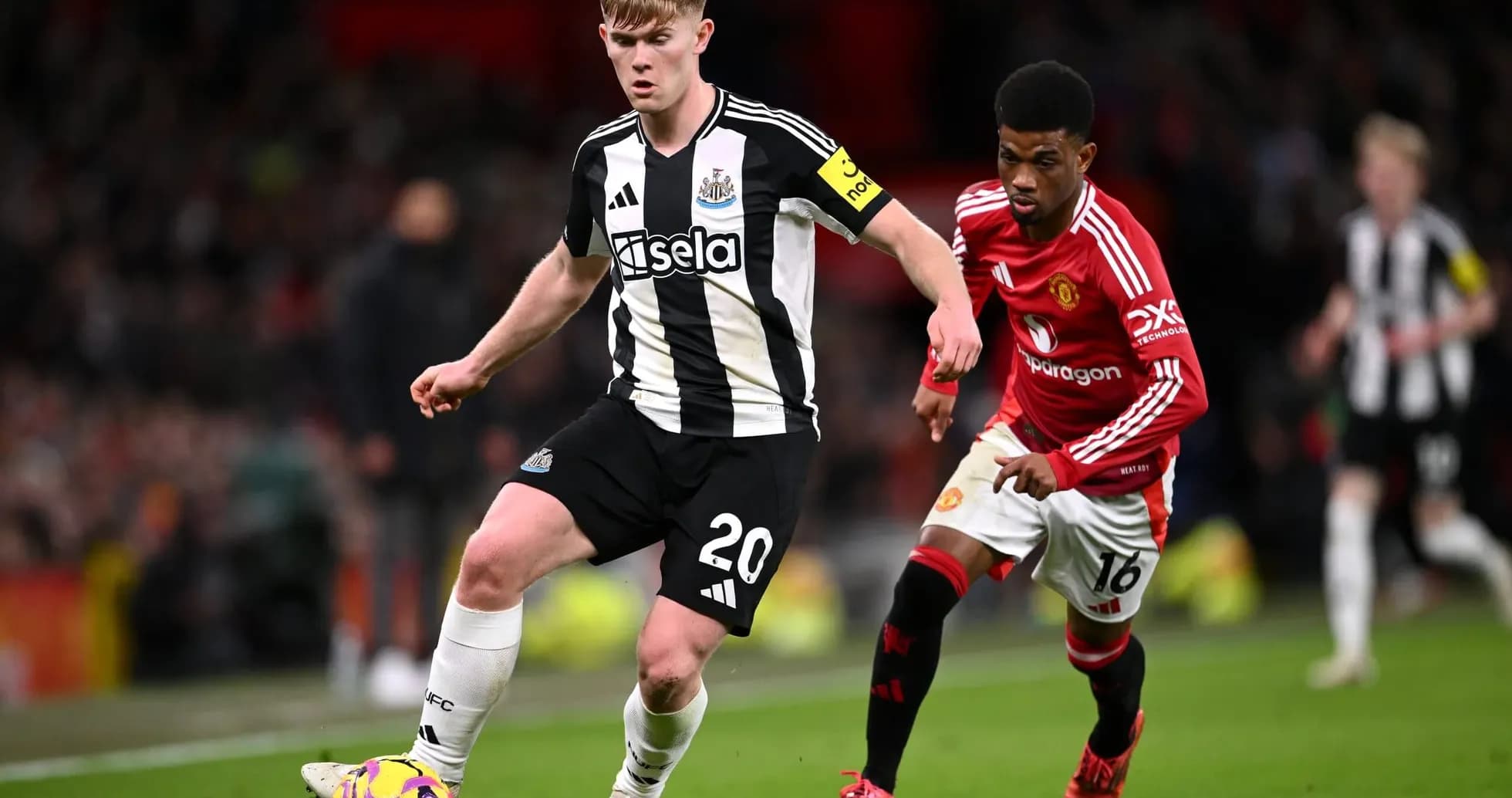
Newcastle's 2–1 Victory Over Manchester United: A 10-Man Comeback
On a tense Premier League night at St. James’ Park, Newcastle produced a fiercely resilient 2–1 victory over Manchester United despite playing the entire second half with 10 men. In a match overseen by referee Peter Bankes, Anthony Gordon’s first-half penalty and a late goal from substitute William Osula overturned Casemiro’s equaliser. The result is a statement win for 12th‑placed Newcastle, who sit on 39 points, while third‑placed Manchester United, on 51 points, miss a chance to consolidate their Champions League push.
First Half Analysis
The opening stages reflected the tactical shapes: Newcastle in a 4‑3‑3, Manchester United in a 4‑2‑3‑1. United, with their 55% share of the ball across the match, quickly settled into rhythm, but Newcastle’s front three of Anthony Gordon, Anthony Elanga and Harvey Barnes pressed high and aggressively.
Discipline became a theme early. Jacob Ramsey collected a yellow card for a foul on 26', the first sign of Newcastle’s combative midfield approach. Bryan Mbeumo responded in kind for United with a booking on 37', before Joelinton went into the book on 38' for another heavy challenge. Luke Shaw’s yellow on 39' underlined a first half that was increasingly fractious rather than fluid.
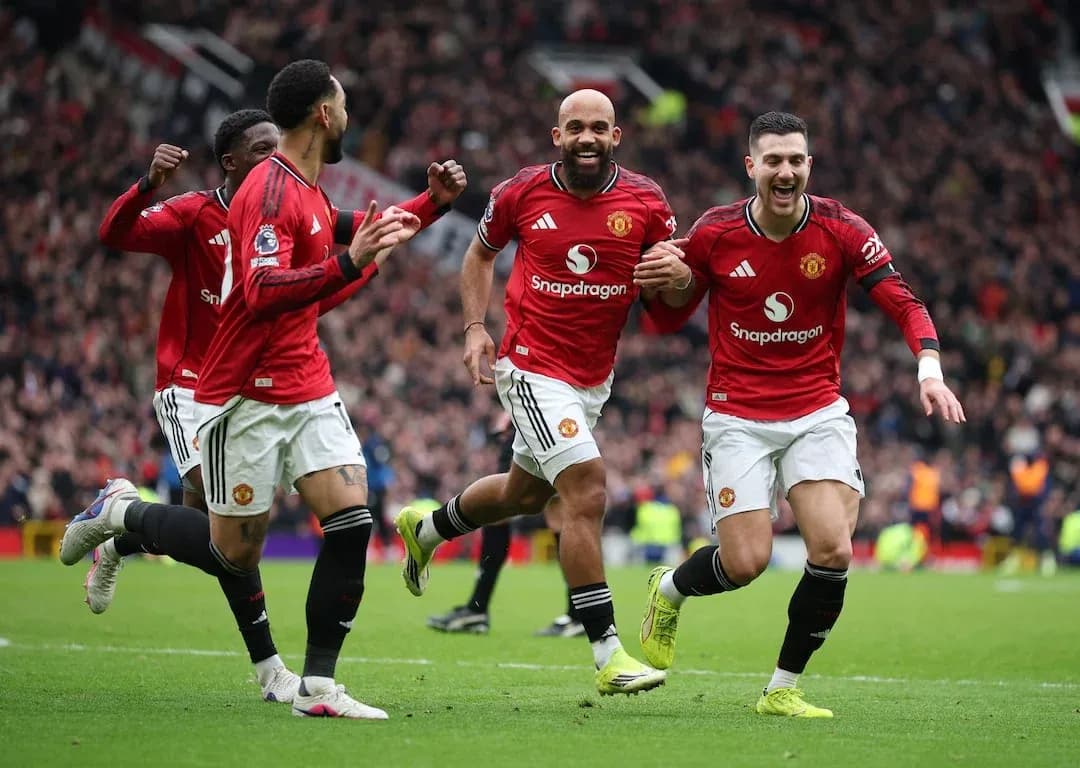
The contest exploded around the interval. On 45', Gordon converted from the spot to give Newcastle a 1–0 lead, his composure from 12 yards rewarding the hosts’ direct running into the box. Yet United struck back almost instantly: also on 45', Casemiro arrived to finish a move from open play, assisted by Bruno Fernandes, levelling the match at 1–1 and punishing Newcastle’s brief lapse in concentration.
Then came the flashpoint. Deep into first-half stoppage time at 45+1', Ramsey was booked again for simulation and immediately shown a red card. Newcastle were suddenly reduced to 10 men, transforming the tactical landscape for the second half.
Second Half & Tactical Shifts
Eddie Howe reacted at once during the interval. On 46', Joe Willock replaced Harvey Barnes, a pragmatic reshuffle designed to restore midfield balance after Ramsey’s dismissal, with Gordon and Elanga left to carry the counter-attacking threat.
Manchester United sought to tilt the game with a double change on 61'. Diogo Dalot came on for Casemiro, a move that pushed Noussair Mazraoui’s role higher and added attacking thrust from full-back, while Manuel Ugarte replaced Luke Shaw, offering fresh legs and control in midfield zones. It was an attacking gamble in structure if not in pure numbers, with United committing more players to wide overloads.
Mazraoui’s yellow card on 64' for a foul highlighted United’s growing urgency as they chased a winner against a compact, structurally controlled Newcastle block. Erik ten Hag then turned to his bench again: on 76', Amad Diallo replaced Kobbie Mainoo, adding a more direct, dribbling threat between the lines; a minute later, on 77', Joshua Zirkzee came on for Mbeumo, effectively moving United into a more orthodox two‑striker or striker‑plus‑10 configuration.
Newcastle, having conceded possession, tightened their shape and waited for moments to break. Kieran Trippier’s booking on 80' came as he tried to halt one such United surge down the flank. Howe’s response was to inject fresh pace and energy: on 84', Jacob Murphy replaced Elanga, and on 85' the decisive change arrived as Osula came on for Gordon. For United, Tyrell Malacia replaced Mazraoui on 85', a like‑for‑like switch to maintain width but with fresher legs.
The match was ultimately decided by Newcastle’s clarity in transition. On 90', Osula struck the winner from open play, finishing a move created by Trippier’s delivery. It was a devastating impact from the substitute and a reward for Newcastle’s disciplined, low‑block resilience. Deep into stoppage time at 90+7', Sven Botman replaced Sandro Tonali, a final defensive reinforcement to see out the result.
Statistical Deep Dive
The numbers underline the narrative of a side that conceded possession but controlled the structure of the game. Manchester United’s 55% possession and superior passing – 469 total passes with 384 completed at 82% – contrasted with Newcastle’s 381 passes, 291 completed, at 76%. Yet Newcastle turned their more limited phases on the ball into higher‑quality chances.
United edged total shots 14–12, and their five shots on target matched Newcastle’s five, but the xG tells the real story: Newcastle generated 2.48 xG to United’s 1.48. That gap reflects the home side’s ability to create clearer opportunities, even when a man down. United’s five blocked shots highlight the work of Newcastle’s back line, while Newcastle’s single blocked effort speaks to United’s struggles to get bodies in front of the most dangerous attempts.
In terms of discipline, the match was spiky: Newcastle committed 15 fouls to United’s 16. The hosts collected four yellow cards and a crucial red (Ramsey’s dismissal), while United picked up three yellows. Both goalkeepers were solid, with Aaron Ramsdale making four saves and Senne Lammens three, but neither recorded goals prevented beyond zero, indicating the finishing largely matched the underlying chances.
Standings & Implications
With Newcastle 12th on 39 points, this victory is less about immediate table movement and more about momentum – a vital scalp against a top‑three side that could stabilise a patchy run of form. For Manchester United, third on 51 points and targeting Champions League qualification, the defeat halts a generally positive sequence and exposes vulnerabilities against organised, counter‑punching opponents. The gap in quality of chances created will concern them as the run‑in tightens.