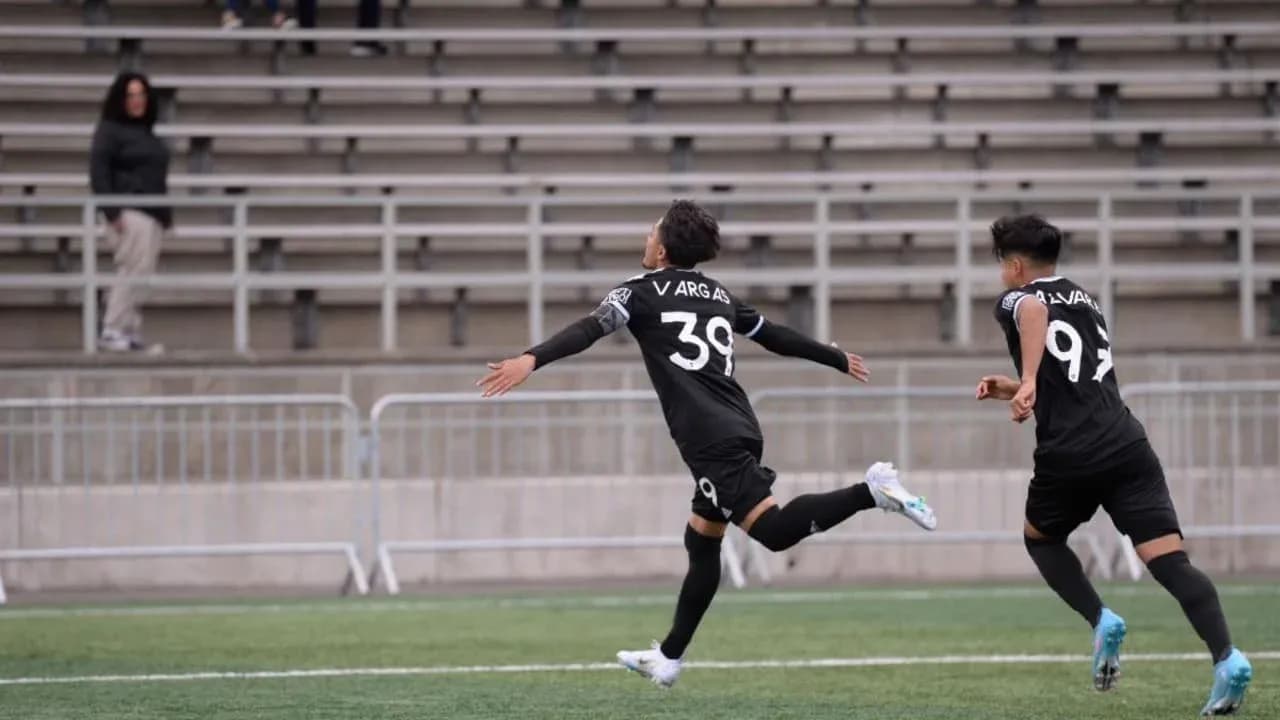
New York City II Dominates FC Cincinnati II 2–0 at Belson Stadium
Under the late lights at Belson Stadium, New York City II’s 2–0 win over FC Cincinnati II felt less like a single result and more like a crystallisation of both teams’ seasonal identities. In MLS Next Pro’s 2026 Group Stage, this was a meeting of two sides travelling in opposite directions: New York City II, volatile but dangerous, and Cincinnati II, a team whose away form has become a structural problem rather than a bad run.
Heading into this game, the numbers already framed the narrative. New York City II sat 6th in the Northeast Division with 15 points from 10 matches, their overall goal difference at -3, built from 13 goals scored and 16 conceded. The season statistics sharpen that picture: overall they were averaging 1.4 goals for and 1.7 against per match, a side that lives on the edge. Crucially, at home they had been a different animal: 4 wins from 5, 8 goals scored and 8 conceded, with a home attacking average of 1.6 and the same 1.6 against. High-event football, but usually tilted in their favour.
FC Cincinnati II arrived in Queens with a far more fragile profile. In the Northeast Division they were 8th with 9 points from 11 games, their goal difference a stark -9, drawn from 12 goals scored and 21 conceded overall. The split between home and away was brutal. At home, they were functional and sometimes explosive: 3 wins from 5, 10 goals scored and 7 conceded, averaging 2.0 goals for and 1.4 against. On their travels, however, the numbers were damning: 6 away games, 0 wins, 0 draws, 6 defeats, just 2 goals scored and 14 conceded, with an away attacking average of 0.3 and 2.3 conceded per match. Cincinnati II did not just struggle away from home; they collapsed.
Against that backdrop, the 2–0 scoreline to New York City II felt almost like the logical extension of those trends. The first half at Belson Stadium, which ended 1–0 to the hosts, mirrored New York City II’s preference for fast, emotional starts. Their disciplinary data shows a pronounced early spike in yellow cards between 16–30 minutes (28.57%), suggesting a team that ramps up intensity quickly and is willing to foul to sustain pressure. That same edge often bleeds into the closing stages: 33.33% of their yellow cards and 100.00% of their reds arrive between 76–90 minutes, underlining how they ride the line in both the opening and dying phases of games.
On the night, Matt Pilkington’s selection leaned heavily into youth and energy. M. Learned anchored the XI, with a supporting cast of A. Campos, J. Loiola, K. Smith and D. Kerr providing the spine. Ahead of them, the likes of C. Flax, J. Suchecki and H. Hvatum gave New York City II a fluid, interchangeable feel between lines, while D. Duque, E. Samb and S. Musu formed an attacking trident capable of stretching a shaky back line.
For Cincinnati II, the structure was more conservative but no less youthful. F. Mrozek stood in goal behind a defensive cohort including D. Mosquera, F. Samson and S. Lachekar, with W. Kuisel and J. Mize tasked with stabilising the middle. Further forward, C. Sphire, M. Sullivan, C. Holmes, C. Niang and S. Chirila carried the creative and finishing burden. Yet the broader season context suggested they would struggle to turn territory into threat away from home: overall they had failed to score in 4 matches, with all 4 blanks coming on their travels.
The “Hunter vs Shield” dynamic for this fixture was less about individual stars and more about unit behaviours. New York City II’s attack, averaging 1.6 goals at home, went up against a Cincinnati II away defence conceding 2.3 per match. The outcome – 2 goals for the hosts, 0 for the visitors – sat almost perfectly within that statistical corridor. Even without named top scorers in the data, the pattern of chance creation versus defensive resilience was clear: New York City II are used to punching through, Cincinnati II are used to absorbing too much.
In the “Engine Room” battle, the contrast was again structural. New York City II’s card distribution shows a midfield that tackles aggressively in the second quarter of the match (those 28.57% of yellows in 16–30 minutes) before reasserting control late on. Cincinnati II, by contrast, spread their yellows more evenly, but with a notable 22.22% arriving in the opening 0–15 minutes and a further 18.52% between 31–45. That suggests a team that often chases the rhythm of games, reacting rather than dictating. The late red-card risk between 76–90 minutes (100.00% of their reds in that window) only adds to the sense of a side that frays under sustained pressure.
Tactically, the match at Belson likely followed a familiar script. New York City II, buoyed by their strong home record and comfort in chaotic matches, would have pressed high and tried to turn Cincinnati’s hesitant buildup into turnovers in advanced zones. With no penalties missed this season (indeed, no penalties taken at all), their attacking output has had to come from open play patterns – combinations between wide runners like Flax and central outlets such as Duque and Samb. The 2–0 margin fits their “biggest wins” profile at home, where their standout result is a 2–0 scoreline.
Cincinnati II, for their part, probably leaned on transitional moments and the individual initiative of players like S. Chirila or C. Holmes, but their season-long away return of 2 goals in 6 matches tells its own story. Even with a perfect penalty record overall (1 taken, 1 scored), they rarely get into the sort of box dominance required to draw spot-kicks on the road.
From an xG and defensive solidity perspective, the statistical prognosis heading into this game would have tilted heavily towards New York City II. A home side averaging 1.6 goals for and 1.6 against, facing visitors stuck at 0.3 goals scored and 2.3 conceded away, points to a match where New York City II generate the higher xG and Cincinnati II are forced into low-probability efforts. Following this result, the 2–0 scoreline simply reinforces that logic: New York City II’s volatile but potent DNA holds at home, while FC Cincinnati II’s away frailties deepen into a defining theme of their season.