
Netherlands' Tactical Collapse Against Morocco
Rafael van der Vaart did not bother with diplomacy. Live on Dutch broadcaster NOS, the former Real Madrid midfielder watched the Netherlands unravel and went straight for the heart of the problem: Ronald Koeman’s tactical shake-up and a midfield left to be torn apart.
The Dutch had fought their way through a tricky group. They had rhythm, some cohesion, the sense of a team slowly growing into the tournament. Then came Morocco – and Koeman’s decision to rip up the structure that had just started to work.
“You get through a difficult group stage reasonably well. Then things start clicking a bit. What goes on in your head that makes you change everything against Morocco?” Van der Vaart asked, incredulous. “I don't understand it one bit.”
Midfield Sacrificed, Frenkie Stranded
The anger centred on one area: the middle of the pitch. Koeman’s reshuffle left the Netherlands trying to combat Morocco’s greatest strength with a weakened, outnumbered core. The result was brutal. Orange shirts chased shadows, the midfield screen evaporated, and the game slipped away.
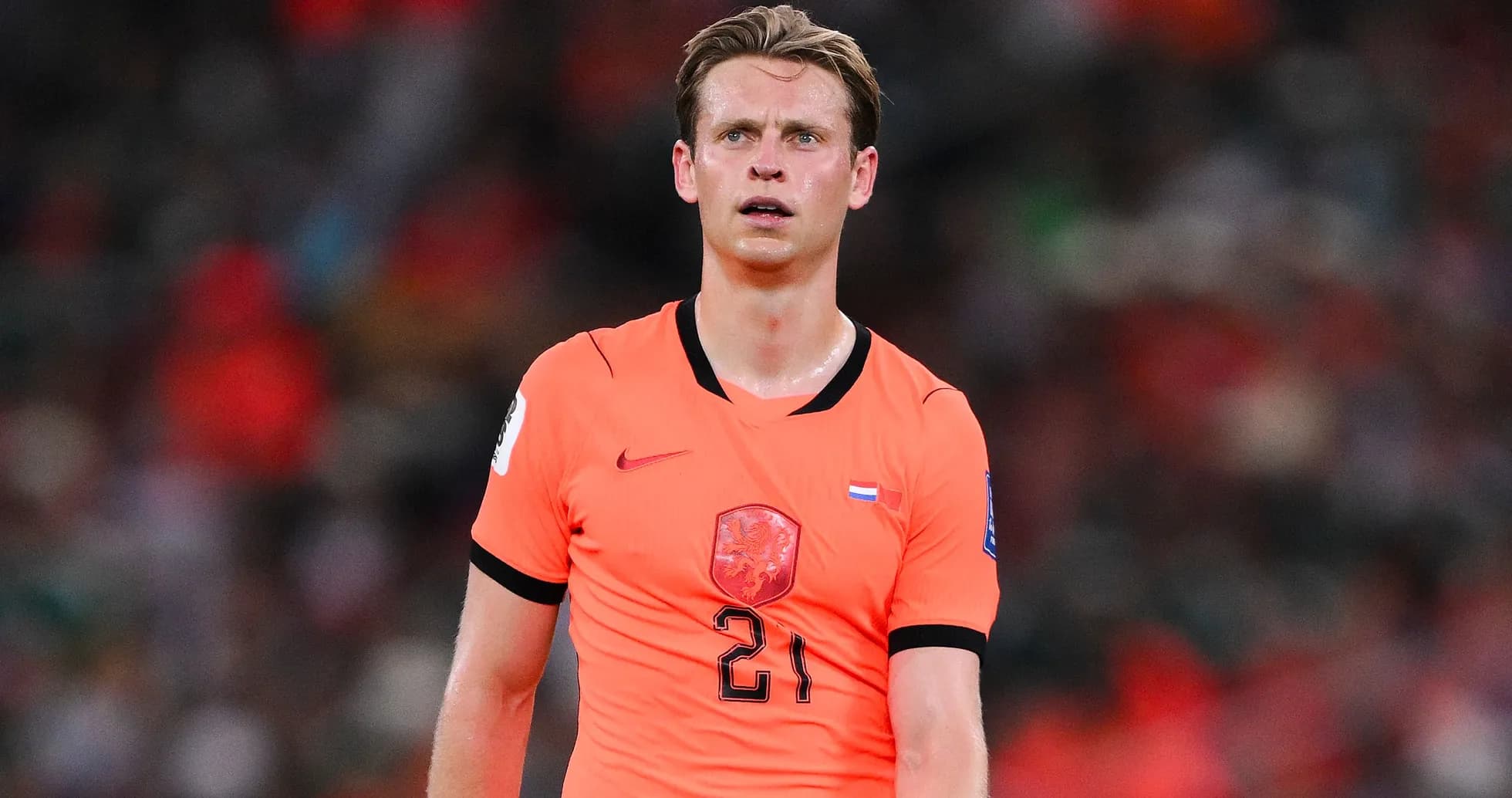
Van der Vaart did not spare Frenkie de Jong either. The Barcelona playmaker, usually the metronome of this side, endured a nightmare evening.
“Frenkie played the absolute worst game I’ve ever seen from him today. Truly disappointing. But is that because of the system?” he said.
That question cut to the core of the debate. By stripping the midfield down and handing Morocco numerical superiority where they are strongest, Koeman left his most gifted player starved of the ball. De Jong thrives when he can dictate, receive under pressure, carry the game forward. Here, he spent long stretches as a spectator, then left the stage altogether when he was replaced by Marten de Roon after 110 minutes.
Van der Vaart’s verdict on the tactical plan was scathing.
“I think Morocco's midfield is their strongest asset. And then you decide to play against them with just two men? I didn't study to be a manager, but that seems a bit clumsy to me,” he said. “Frenkie is only effective when you have the ball, but we didn't have the ball at all today, so Frenkie was completely invisible. And he is supposed to be our main man...”
Stars Isolated, Questions Mounting
The criticism did not stop with De Jong. Cody Gakpo, the scorer of the Dutch goal, barely featured in the game beyond his finish. The system that was supposed to unlock their attacking talent instead cut it off from supply.
“Cody Gakpo scored the goal, but of course, he was barely involved either,” Van der Vaart pointed out, highlighting how the entire attacking structure collapsed once the midfield lost control.
The pattern was clear: a tactical gamble that played straight into Morocco’s hands. The North Africans dominated the central lanes, squeezed space, and forced the Netherlands into predictable, ineffective patterns. The Dutch never looked comfortable, never looked in charge of the game’s tempo.
A Brutal Flight Home
Now comes the fallout. The Netherlands return home from a tournament that promised progress but ended in a tactical self-sabotage that has ignited fierce internal scrutiny. Koeman’s decisions are under the microscope, his game plan against Morocco framed as a turning point in a campaign that never truly caught fire.
While Morocco move on to a last-16 tie against Canada in Houston, the Dutch camp is left with uncomfortable truths. Key figures have been exposed, not just in form but in suitability for the next cycle. An ageing squad, a muddled identity, and a manager facing pointed questions about his direction.
Change no longer feels optional. It feels unavoidable.



