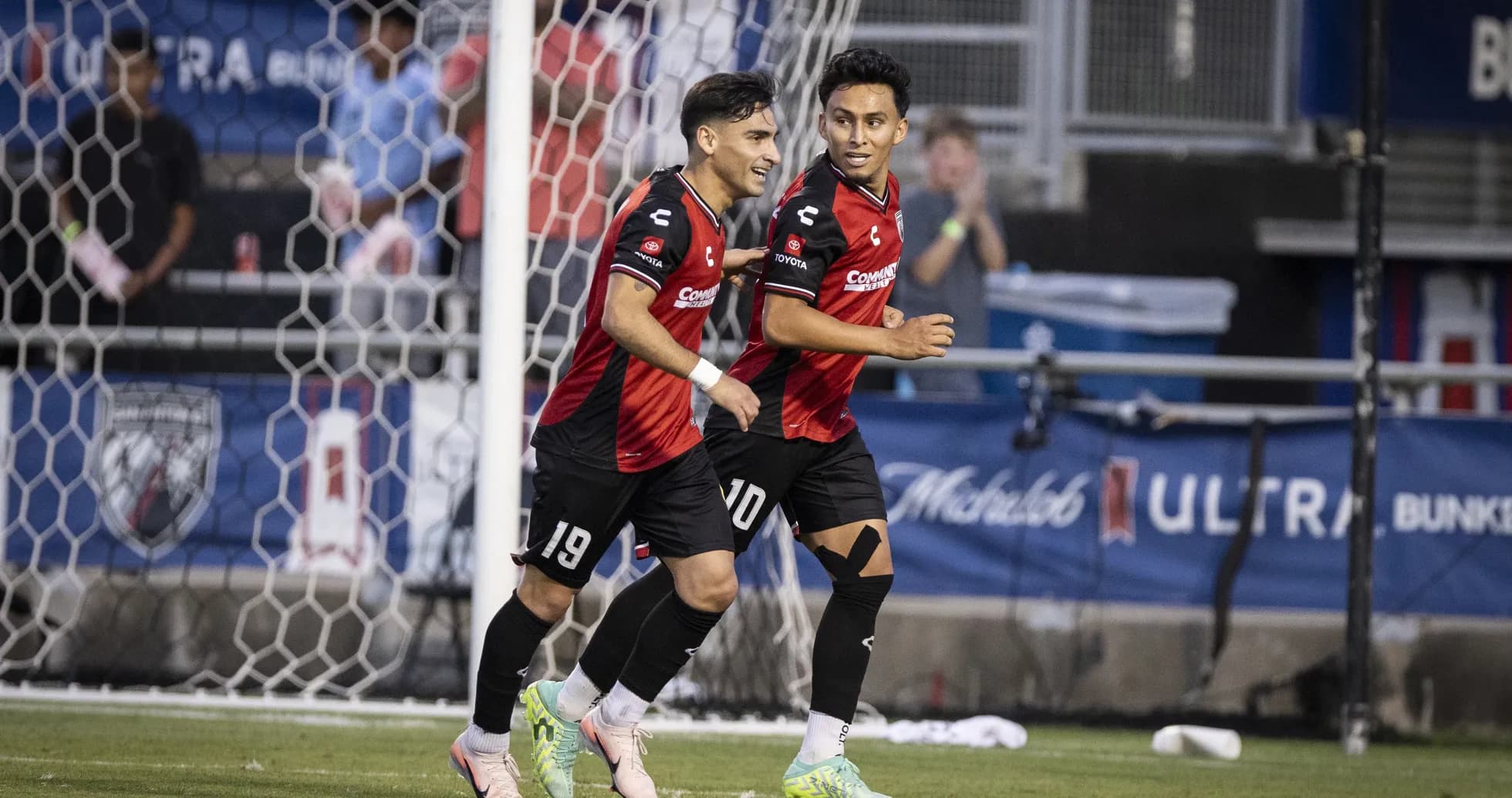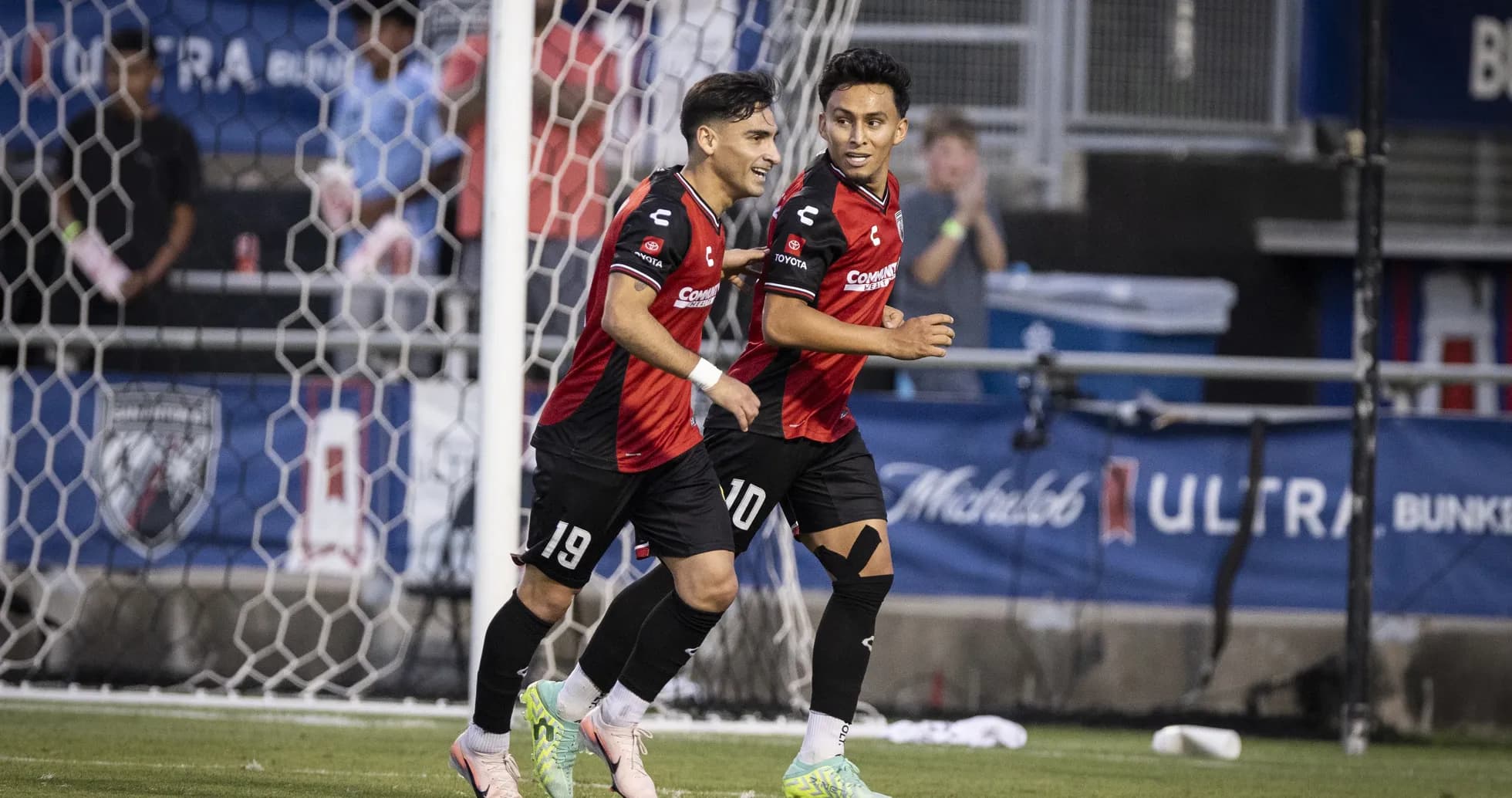
Monterey Bay's 4-1 Victory Over Loudoun United: A Statement of Intent
Under the floodlights of Cardinale Stadium, Monterey Bay’s 4-1 dismantling of Loudoun United felt less like a routine group-stage fixture and more like a statement of intent from a side that has spent most of the season on the ropes. Following this result, the numbers still paint Monterey Bay as a struggler in the USL Championship’s USL 1 group, but the performance hinted at a squad finally discovering how to weaponise its flaws.
Heading into this game, Monterey Bay sat 12th with 8 points from 11 matches, a goal difference of -8 derived from 11 goals scored and 19 conceded overall. At home they had been paradoxical: 2 wins, 1 draw, 3 defeats, with 7 goals for and 7 against, averaging 1.2 goals both for and against at Cardinale Stadium. On their travels they had been far more brittle, conceding 12 and scoring 4. Loudoun, 11th with 9 points from 10 games and a goal difference of -5 (12 for, 17 against overall), arrived as the league’s draw specialists: 6 stalemates in 10, and a defensive profile that leaked 1.7 goals per match overall while scoring 1.2.
This was a group-stage meeting, but it carried the tension of a knockout tie for Monterey Bay. Their season form line of LLDLDLLLLWW told the story of a team only just rediscovering how to win. Loudoun’s LDLD DDDWDL sequence suggested stubbornness rather than ruthlessness, a side that can frustrate but rarely finish opponents.
Jordan Stewart’s Monterey Bay XI, with J. Jackson, J. Garcia, N. Gordon, Z. Farnsworth and O. Glasgow among the starters, looked built for physicality and directness rather than intricate possession. In midfield and attack, the selection of W. Leggett, N. Ross, R. Nakamura, S. Lletget, R. Bidois and I. Paul hinted at a vertical, transition-heavy plan: win second balls, break lines quickly, and test a Loudoun back line that had already shipped 7 goals in just 4 away games, averaging 1.8 conceded on their travels.
Opposite, Anthony Limbrick’s Loudoun United leaned on the spine of E. Bandre in goal, N. Adnan and S. Mazzaferro in defence, with K. Awuah and B. Akinyode providing ballast in midfield. Further forward, J. Murphy, R. Aman, P. Santos and T. Ulfarsson formed an attacking quartet that, on paper, had enough to trouble a Monterey Bay defence conceding 1.7 goals per match overall. Yet Loudoun’s away attack had been timid: just 3 goals in 4 away fixtures, an average of 0.8 on their travels.
The disciplinary backdrop framed the tactical risk. Monterey Bay’s yellow-card distribution this season had been heavily back-loaded, with 27.27% of their cautions arriving between 61-75 minutes and 24.24% from 76-90. Their single red card had also come in the 61-75 window. Loudoun’s yellows were even more skewed late: 26.67% between 46-60 minutes and a striking 36.67% from 76-90, plus a further 3.33% in added time. This was always likely to be a game that grew more chaotic as legs tired and spaces opened.
Monterey Bay’s tactical voids were less about missing personnel and more about identity. With no formation data listed and a season marked by 4 failed-to-score outings overall, they have often looked short of ideas in the final third. Yet at home, the signs of a sharper edge were there: 7 goals in 6, and a biggest home win of 4-1 already on the books, exactly the scoreline they reproduced here. That previous 4-1 stands as their clearest attacking blueprint: aggressive pressing, early vertical passes and a willingness to commit runners beyond the ball.
Loudoun’s primary void was in mentality rather than structure. Their 4 clean sheets overall (2 home, 2 away) underline that they can be compact, but their biggest away defeat of 4-1, and a home loss of 2-3, show how quickly the dam breaks when they chase games. With an away goals-for average of just 0.8, any early concession tends to force them into a shape they are not built to play from.
Within that framework, the key matchups were clear. The “Hunter vs Shield” dynamic pitted Monterey Bay’s emergent home attack – 1.2 goals per game at Cardinale Stadium – against a Loudoun away defence conceding 1.8 per match. The visitors’ back line of Adnan, Essengue, Mazzaferro and Awuah was always going to be stretched by the vertical runs of Bidois and Paul, especially once Lletget and Nakamura found pockets between the lines.
In the “Engine Room”, the duel between Monterey Bay’s central operators, particularly N. Ross and S. Lletget, and Loudoun’s double pivot of Akinyode and Awuah, shaped the rhythm. Loudoun’s season-long tendency to accumulate cards late, especially from 76-90 minutes (36.67% of their yellows), suggested that once the game became stretched, their midfield would struggle to contain transitions without resorting to fouls.
Following this result, the statistical prognosis for both sides shifts subtly. Monterey Bay’s overall goal difference, previously -8 from 11 scored and 19 conceded, receives a rare positive jolt from a four-goal outburst that mirrors their biggest home win. Their penalty record remains pristine: 1 penalty overall this season, scored, with 100.00% conversion and no misses. Loudoun’s defensive frailties on their travels deepen: they had already suffered a 4-1 away loss as their heaviest defeat, and this repeat scoreline confirms a pattern rather than an anomaly.
In xG terms, even without explicit figures, the profiles are telling. Monterey Bay’s home average of 1.2 goals for against 1.2 against suggests a side whose underlying xG at Cardinale Stadium is close to parity; a 4-goal haul implies they significantly over-performed their season baseline on the night, either through improved chance quality or ruthless finishing. Loudoun’s away averages of 0.8 for and 1.8 against point to a structural imbalance: they generate too little and concede too many high-value opportunities once they leave home.
The tactical verdict is that Monterey Bay have finally aligned their emotional edge with a coherent plan: aggressive, vertical, and unapologetically direct, leaning into the chaos that their own disciplinary profile hints at. Loudoun, by contrast, remain caught between caution and ambition, a side that defends in numbers but, once broken open, lacks the attacking weight to punch their way back. Following this result, the table may still show two teams in the lower half, but the narrative arc belongs firmly to Monterey Bay, who have turned Cardinale Stadium into both a refuge and a proving ground.