Mexico's World Cup Journey: A Blend of Experience and Youth
Mexico arrive with a familiar burden on their shoulders and a clock that seems stuck in the same place. An entire nation is once again demanding what it has been denied for decades: a run that goes beyond the early checkpoints of a World Cup. Getting out of the group is non‑negotiable. Doing it as group winners could be the difference between another last‑16 collision with a heavyweight and a path that finally opens up.
This version of El Tri is built on a deliberate blend. Veterans who know every scar of this stage, and youngsters who haven’t yet learned to be afraid of it.
At the back, the spine looks solid. Johan Vásquez and César Montes anchor a central defence that has become one of this squad’s quiet strengths, the kind of pairing a cautious coach can build a whole plan around. Just ahead of them, the midfield carries a different texture: Alvaro Fidalgo’s control and range, the energy and ambition of Obed Vargas, and the authority of captain Edson Álvarez, who has forced his way into the tournament despite an injury‑hit campaign.
The names missing are as loud as the ones on the teamsheet. Diego Lainez and Chucky Lozano, once standard‑bearers for Mexico’s attacking flair, are out. Their omission underlines the shift: this is not a nostalgia project, it is a reset under a familiar face.
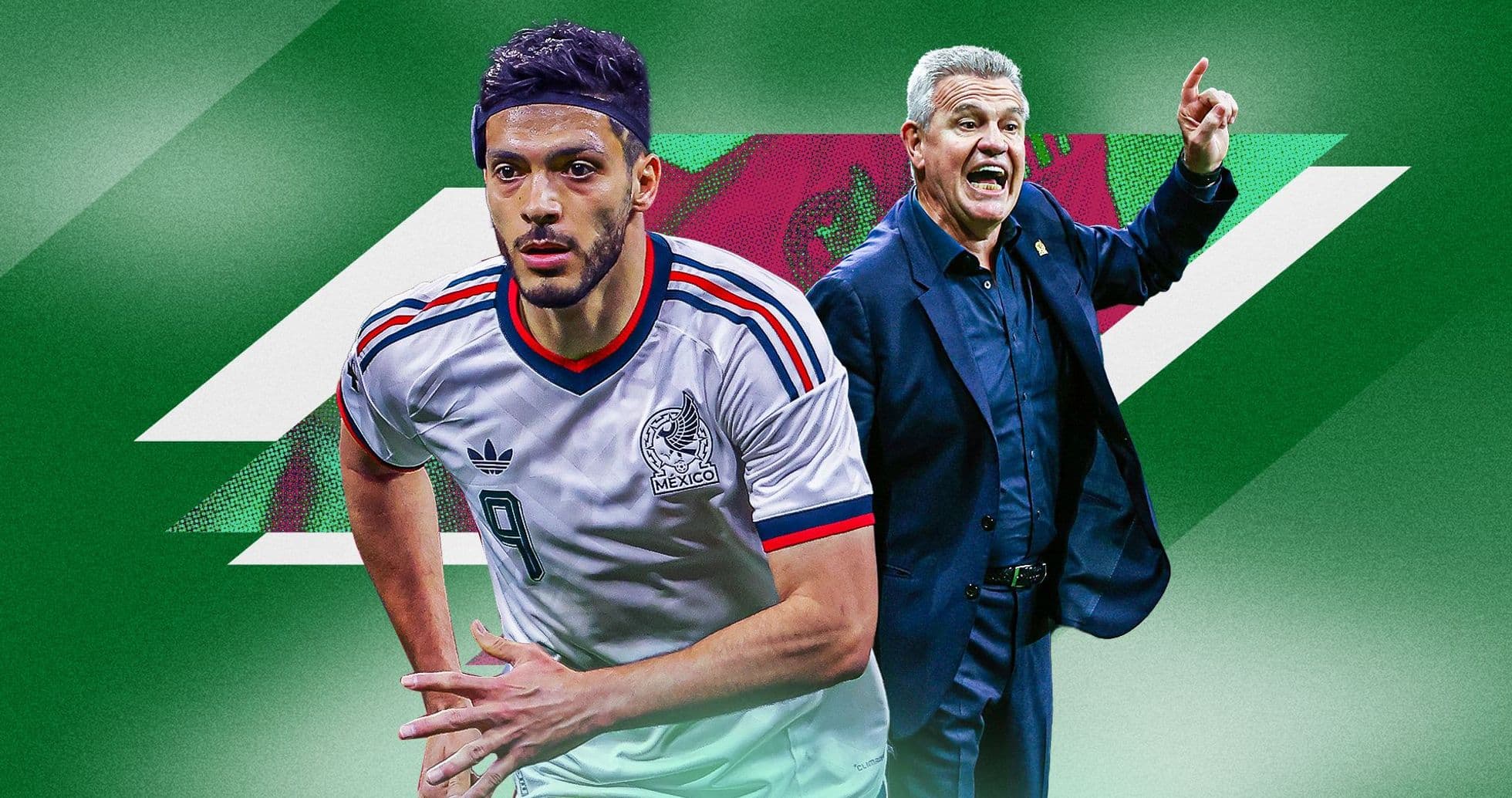
Javier Aguirre, ‘El Vasco’, returns for a third World Cup at the helm, a final act before he hands the job to his assistant Rafa Márquez when the tournament ends. Aguirre’s record is decorated – two Gold Cups, multiple qualifications – but he remains a divisive figure at home. His selections are dissected, his football branded too cautious, too functional, not Mexican enough for a fanbase that craves drama as much as victory.
He leans, as ever, on Liga MX. Before the domestic season had even finished, a dozen players from the league were already in the preliminary camp. The foreign‑based contingent has joined them, but the heartbeat of this team still comes from home soil, from the weekly grind of Mexican football rather than the glamour of Europe’s elite.
Up front, the hierarchy is clear. Mexico have depth in attack, but they do not have another Raúl Jiménez.
At 35, the Fulham striker remains the star and the reference point. In 2025, when Mexico lifted two trophies, he scored nine of their 22 goals. Those numbers are not just impressive; they are a warning about how much rests on him. This will be his fourth World Cup, and with Santiago Giménez enduring a difficult season at AC Milan, Jiménez once again carries the weight of a country’s expectations in the penalty area.
Behind him, another icon refuses to fade away. Guillermo Ochoa looked to have slipped out of the national‑team picture, his World Cup story seemingly complete. Then Luis Malagón’s injury changed everything. The door swung open, and Ochoa is now poised to stand on the biggest stage for a sixth consecutive World Cup, matching Lionel Messi and Cristiano Ronaldo in a feat of longevity that borders on the surreal.
For all that experience, there is a nagging flaw: this team can struggle to create chances with any real consistency. The structure is sound, the effort unquestioned, but the spark is not guaranteed.
That is where the story bends towards a teenager.
Gilberto Mora is just 17, fresh from a long injury lay‑off that robbed him of much of the Liga MX season, and yet he arrives as one of the brightest hopes Mexican football has produced in years. An attacking midfielder by trade, a natural creator in the final third, he is already rewriting age records at home and drawing serious attention from some of Europe’s biggest clubs, who are preparing their pitches to lure him across the Atlantic.
Mora plays with the kind of imagination that can change not just a match, but a mood. In a side that often grinds its way to opportunities, his vision and creativity could become the difference between another respectable exit and something far more significant.
Mexico have seen golden generations come and go, legends rise and retire, promises made and broken at the same stage. This time, the old guard and the new hope walk into the tournament together. The question is brutally simple: can this mix of grizzled survivors and a fearless 17‑year‑old finally smash the round‑of‑16 barrier that has defined El Tri for so long?