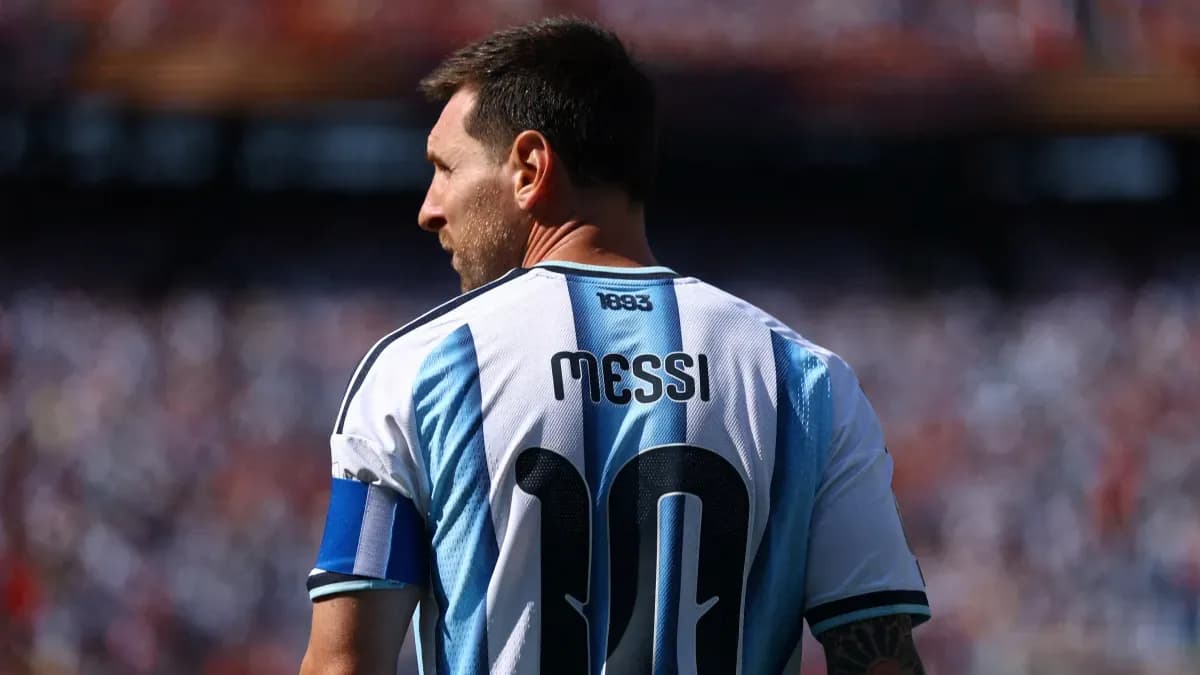
Argentina's World Cup Anti-Football Casts a Shadow on Messi’s Final Chapter
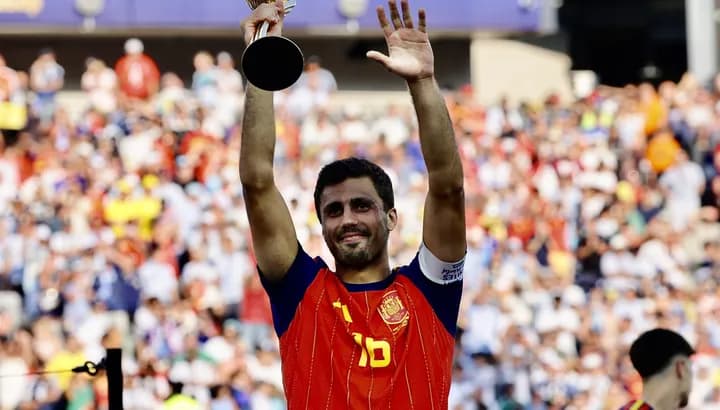
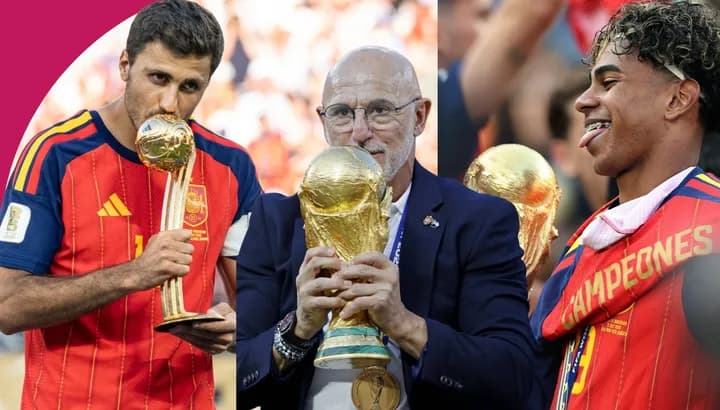
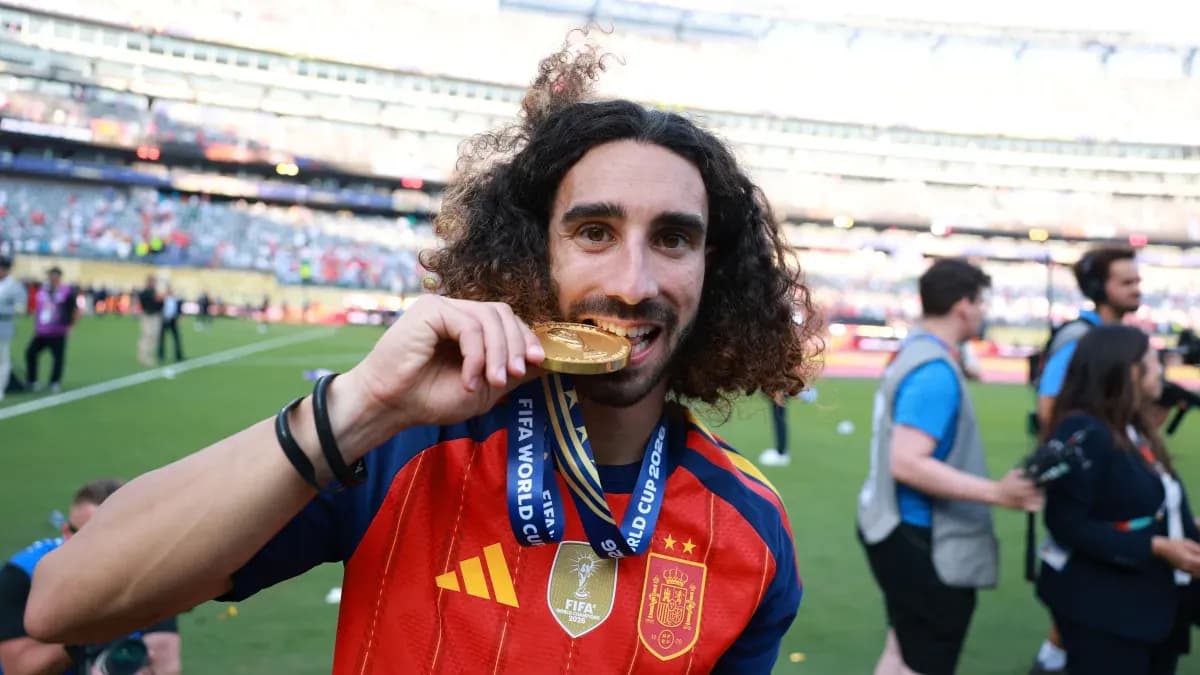
As Spain celebrated Ferran Torres' decisive goal, Lionel Messi quietly adjusted his socks. There was no fiery glare or defiant stance from him this time. Instead, he looked drained. The 2026 World Cup final had reduced the legendary player to a shadow on the field, his efforts minimal and scattered. His touchmap spoke volumes about how little influence he had in the match, which ended in a 1-0 loss for Argentina at MetLife Stadium.
At this point, anyone with pride might have chosen to stay away from the disgraceful display Argentina showed. Messi’s once sparkling career ended amid a team that fell far short of expectations.
Argentina’s Football Identity: Beauty and Darkness
Argentine football is a story woven with brilliance and grit. Its legacy includes moments of sublime skill and times of raw, sometimes ugly, competitiveness. Messi represents the pinnacle of their beautiful style, but Argentina’s history is also marked by a willingness to bend rules and rough up opponents when needed.
The 1957 Copa America side embodied this spirit with free-flowing, attacking football known as la nuestra. Players like Omar Corbatta and Humberto Maschio were celebrated not only for their skill but also their streetwise cunning—what some call the dark arts. This dual nature was highlighted by Maradona's infamous Hand of God goal followed by his Goal of the Century, mixing brilliance with controversy.
Some Argentine teams leaned more toward toughness, like Estudiantes in the late 1960s, known for their physicality in battles against European giants. The divide between expressive and pragmatic football was clear in their World Cup history: Menotti’s artistic 1978 triumph versus Bilardo’s more defensive 1986 win powered by Maradona’s genius but marked by a gritty approach.
An Ugly End to a Beautiful Era
Argentina’s mix of artistry and aggression continued into the 2020s as time ran out on Messi’s extraordinary journey. Coach Lionel Scaloni rebuilt the squad after their 2018 failure, creating a team that supported Messi instead of relying solely on him.
They found joy and victory in Qatar 2022, with young stars like Enzo Fernandez and Julian Alvarez stepping up and veterans like Angel Di Maria shining. Messi dazzled, helping secure what many call the best World Cup final ever against France.
After winning the 2021 Copa America and then another title in 2024, Messi seemed to roll back time during the group stages of the 2026 tournament, scoring six goals including a hat-trick against Algeria. His magic continued with a stunning goal against Cape Verde and a crucial equalizer versus Egypt in the knockout rounds.
But the tougher European opponents exposed cracks. Against Spain, Argentina abandoned elegance for a darker strategy. Referee Slavko Vincic gave them leniency, and players like Alexis Mac Allister escaped punishment despite rough tackles. The team resorted to fouls and disruption rather than football, aiming to break Spain’s rhythm.
They offered no beauty to counterbalance the rough play. Fernandez’s red card for petulance and Leandro Paredes’ aggressive midfield presence turned the match ugly. After the final whistle, chaos erupted when Nahuel Molina charged at Spain’s Rodri, spoiling any chance of dignity.
Messi briefly sparked with a couple of dangerous passes and shots, even challenging an opponent over referee behavior, but it was all too little, too late. Spain’s celebrations felt fitting for a match few would want to remember.
The Legacy Remains Untarnished
This disappointing finale doesn’t diminish Messi’s legacy. Nothing can erase the magic and greatness he brought to football. Still, it's sad to see his final World Cup moments tainted by a team that turned away from the beautiful game they once embraced. They tried to steal victory through unsavory tactics, casting a long shadow over what could have been a fitting farewell.