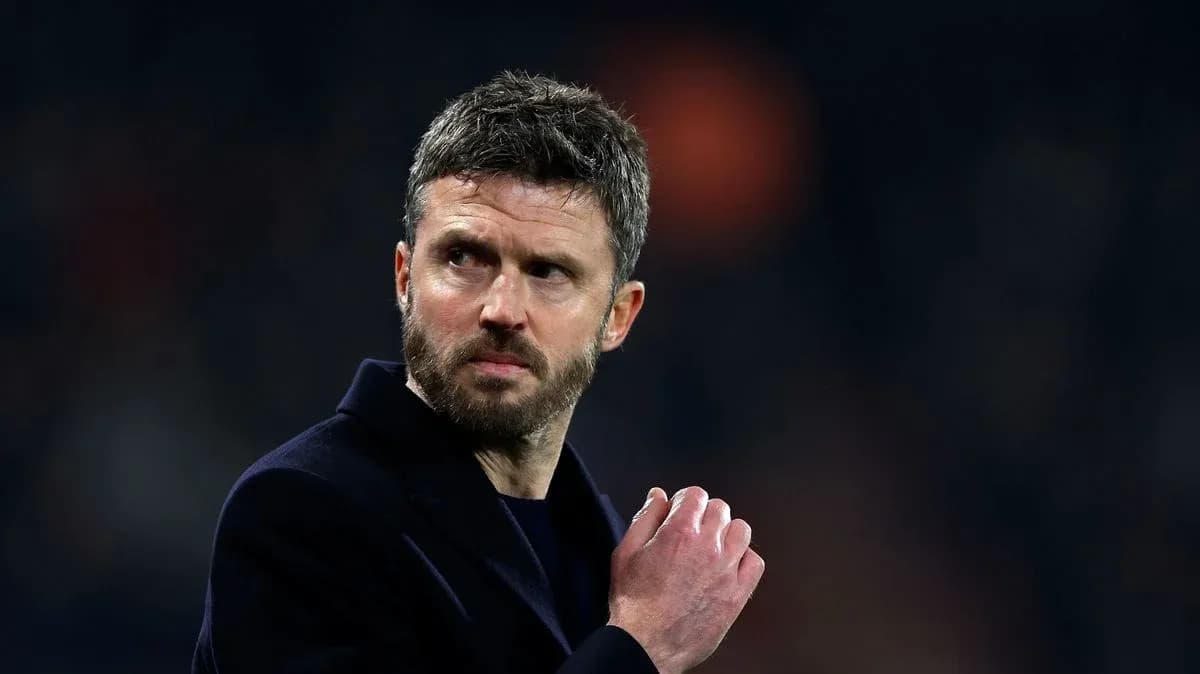
Manchester United's Summer Strategy for 2026: Five Key Steps
Manchester United stand on the brink of another summer of upheaval in 2026, but this time the chaos feels strangely controlled.
Ruben Amorim has gone, the dugout will be reshaped yet again, and a familiar sense of transition hangs over Old Trafford. Only now, there’s a platform. Michael Carrick has steadied a listing ship, dragged United back into the race, and put them in a commanding position to reclaim a Champions League place.
The storm has eased. The hard work starts now.
The gap to Arsenal and Manchester City remains glaring, a reminder that a strong spring doesn’t erase years of drift. INEOS want proof that their regime is more than rhetoric, that this is not just another false dawn. To get there, United’s summer has to be sharp, decisive and ruthless.
Five clear steps. No room for dithering.
1. Decide the manager. Early.
This is the first domino. Get it wrong, or get it late, and everything else wobbles.
Carrick has done more than just plug holes. He’s calmed the mood, tightened the structure, and reconnected a dressing room that had grown weary of turbulence. The players’ preference is obvious; they want him. They’ve shown it in performances and in the way they’ve spoken with their football.
Right now, he is the clear frontrunner. Walking away from that would take an extraordinarily bold call, especially if he delivers Champions League football.
United’s hierarchy have, so far, kept their focus on Carrick and not opened the door to a carousel of candidates. That can’t drift into paralysis. Whoever they choose – Carrick or a new face – has to be in place early, before pre-season plans, transfer targets and tactical blueprints are locked in.
This club has spent too many summers stuck in limbo, wondering rather than acting. The squad wants clarity. Carrick has earned the right to be at the front of that conversation.
So make the call. Quickly.
2. Tie down Bruno Fernandes
Some decisions in football are complex. This isn’t one of them.
Bruno Fernandes is 31. On paper, that’s the age where accountants start to see value in a sale. In reality, he remains the heartbeat of this side and one of the standout individual performers in the Premier League this season.
He drives games, drags standards, and sets the tone. Take him out and the entire structure looks different.
United already hold a strong hand: his current deal runs until 2027, with an option for another year. They don’t need to panic. But this is about more than security; it’s about message and momentum. Give him a new long-term contract, make it clear he is central to the project, and remove any lingering doubt over his future.
That same logic applies, in different ways, to Harry Maguire and Kobbie Mainoo. Maguire has rebuilt his reputation and his role. Mainoo is a cornerstone for the next decade. Both have earned improved terms. Letting either situation drift would only create new problems in areas that don’t need fixing.
There are enough fires to put out elsewhere. Keep your leaders and your future locked in.
3. Cut the wage bill and cash in where it counts
If Champions League football returns, so does the 25 per cent slice of wages that vanished when United dropped out of Europe’s elite. That uplift kicks in across the board, even for players like Andre Onana who have spent the season far from Manchester.
That’s a financial reality INEOS can’t ignore.
The solution is blunt but necessary: move on those who no longer fit. Casemiro, the club’s highest earner, has already confirmed he will leave at the end of his contract. Tyrell Malacia and Jadon Sancho are also expected to go. Those departures open space and free up significant salary.
Marcus Rashford wants a permanent move to Barcelona. Negotiating with the Catalan club is rarely straightforward, but if he pushes for the exit, United must be ready to strike a deal that works for them, not just for sentiment.
Rasmus Hojlund is set for Napoli, another sign that the forward line reshaped in 2025 is still evolving. Onana, meanwhile, is keen on another attempt to reclaim a No.1 shirt, but if a club is prepared to cover a meaningful chunk of the original outlay, United have to listen.
Jim Ratcliffe’s plan for up to eight exits this summer underlines the scale of the reset. That list could also include Manuel Ugarte and Joshua Zirkzee, both of whom have yet to fully convince.
This isn’t just trimming. It’s surgery on a wage structure that has suffocated flexibility for too long.
4. Rebuild the midfield – again
Last year, the focus was the attack. This time, the heart of the team goes under the knife.
Casemiro’s decision to leave makes a midfield refresh unavoidable. In truth, it was coming anyway. The modern game demands energy, control and athleticism in that area, and United have too often looked short.
Mainoo is the exception. He’s a pillar to build around. But Ugarte has not delivered as hoped, which leaves a glaring need for not one, but two midfielders capable of walking straight into the starting XI.
That level of quality costs serious money. Arsenal showed the template when they went all-in on Declan Rice – a signing that changed their entire midfield profile overnight. United need their own version of that kind of statement.
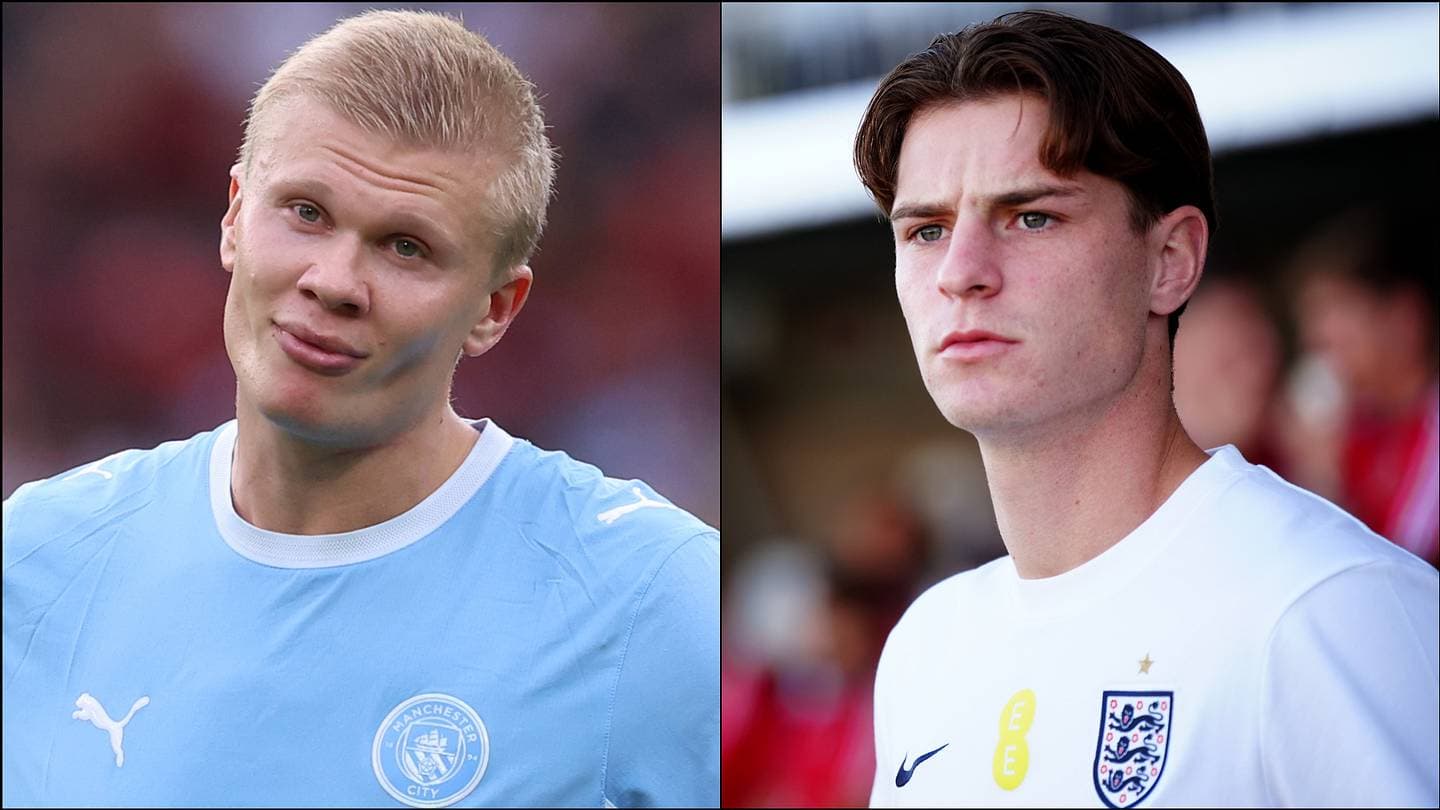
Elliot Anderson fits the bill. The England international has blossomed at Nottingham Forest and is being tracked closely by both Manchester clubs. If United can persuade him to swap Forest red for Old Trafford red, it would be a powerful signal of intent.
Carlos Baleba remains on the radar as well. After a below-par season, his price tag should be more manageable than the numbers floated a year ago. Joao Gomes at Wolves is another live option, and their relegation to the Championship could force a discount.
Two starters, not just bodies. That’s the standard if United are serious about closing the gap to the top.
5. Build real depth
There’s a caveat to United’s recent league form: the calendar has been kind.
No European football. Early exits in both domestic cups. One game a week for long stretches, allowing Carrick to work with a tight core and avoid the fatigue that has haunted other seasons.
That luxury disappears if, as expected, they return to the Champions League. Three games a week changes everything. Rotations become essential, not optional. Squads win seasons, not just starting XIs.
With several underperforming squad players likely to leave, United must replace them with genuine quality, not just warm bodies. The bench has to be filled with players who can step in without a drop in level, not academy hopefuls thrown in out of necessity.
This could easily become the most expensive part of the entire rebuild and may be impossible to complete in a single window. But it cannot be pushed to the bottom of the list. Competing with City and Arsenal means surviving the grind of a full campaign on multiple fronts.
The structure is there for a serious reset: a manager decision waiting to be made, a captain ready for a new contract, a wage bill that can finally be reshaped, a midfield crying out for authority, and a squad that must grow in both quality and depth.
United have talked about transformation for years. This summer will show whether they can finally live it.