Manchester United's Return to Europe: Excitement in Kildare
The man with the van full of fish slowed, took in the security cordon and the knot of fans at the gates, and asked the obvious question. “What’s the crowd for?”
“Manchester United are staying here.”
“Jaysus! Must be their first time in Europe this season.”
Rude, but not entirely without sting.
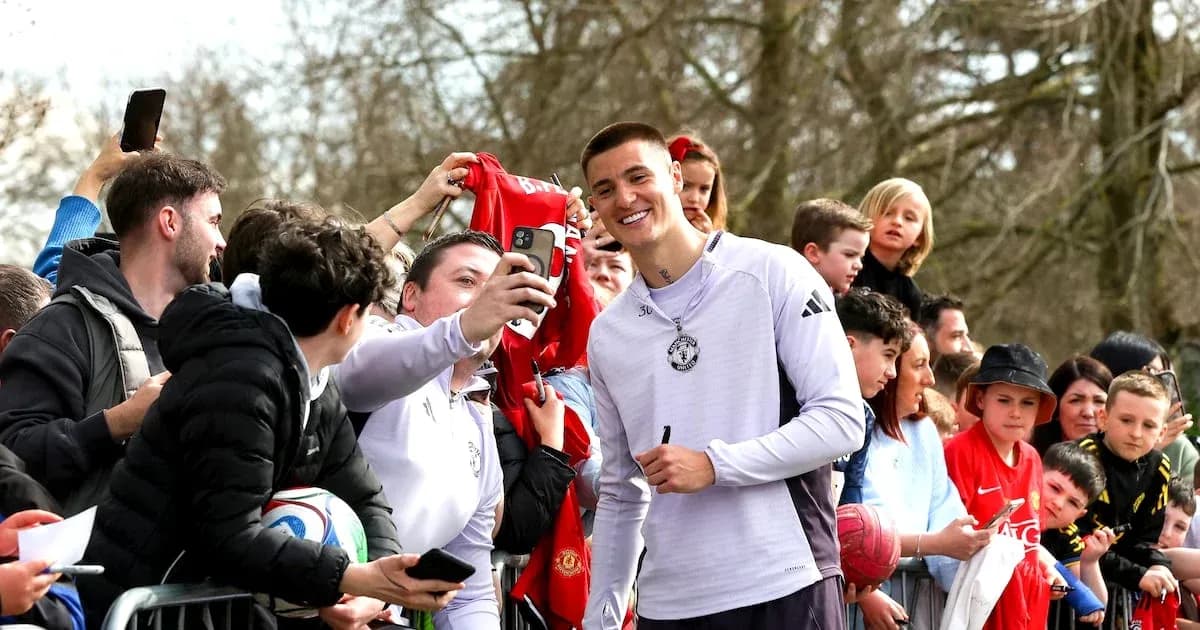
Inside Carton House on Tuesday morning, the welcome was kinder. A long line of schoolkids and teenagers pressed against the barriers, phones raised, shirts ready for signatures, waiting for a squad whose glory years exist for them only in grainy clips and family anecdotes.
Thirteen years have passed since the Premier League trophy last sat on United’s honours list. For this generation, the club’s dominance is a story told by parents on car journeys, not something they’ve lived.
It hasn’t dulled the noise.
When Bruno Fernandes stepped off the bus, the shriek that went up could have stripped paint. It felt less like a training day and more like a pop concert. Fitting, then, that inside, watching from the touchline, stood Nicky Byrne of Westlife, leaning on the fence like any other fan.
“Woody! Woody!” he roared across the pitch. Jonathan Woodgate, now part of Michael Carrick’s coaching staff and once Byrne’s contemporary in the Leeds United youth ranks, broke from his duties long enough to stride over and wrap him in a bear hug. Football’s old networks never really disappear; they just pop up in new tracksuits.
They weren’t the only notable onlookers. Paul Flynn and Carla Rowe, Dublin royalty with 12 All-Ireland medals between them, took in the session with the relaxed air of people who know every blade of grass in Croke Park. The United players will get their own introduction to that arena on August 12th, when they face Leeds in a friendly that feels more like a touring show than a pre-season run-out.
One man is unlikely to be there.
As Casemiro jogged through his warm-up, a young voice cut through the chatter: “One more year, Casemiro!” The chant has followed the Brazilian around grounds since he confirmed he would leave at the end of the season. He has said it makes his wife cry. Whether that’s from the affection pouring down from the stands or the prospect of another winter in Manchester, he didn’t specify.
This is a strange season for United. Between their last game, away to Bournemouth, and their next, against Leeds on Monday, they will have gone 24 days without a competitive fixture. No European football, early exits from both the League Cup and FA Cup, and suddenly there’s a long, empty stretch in the calendar for a club built on midweek lights and knockout jeopardy.
They are trying to turn that gap into an advantage, selling it as rest before a final push for a Champions League place. A canny strategy, if it works. A damning statistic, if it doesn’t.
So they came to Kildare on Monday. A change of scenery, a bit of altitude on the marketing front for that Croke Park friendly, and a chance to reset away from the familiar drone of Carrington. Their presence, though, came at a cost to others.
The Armagh footballers had booked Carton House for their own championship preparations before Tyrone, only to find the pitches laid out for soccer rather than Gaelic football. Cones, goals, markings – all tailored to United.
Oisín Conaty took it on the chin. The Armagh man, a Liverpool supporter no less, shrugged and suggested United needed the training more than they did. A jab with a smile.
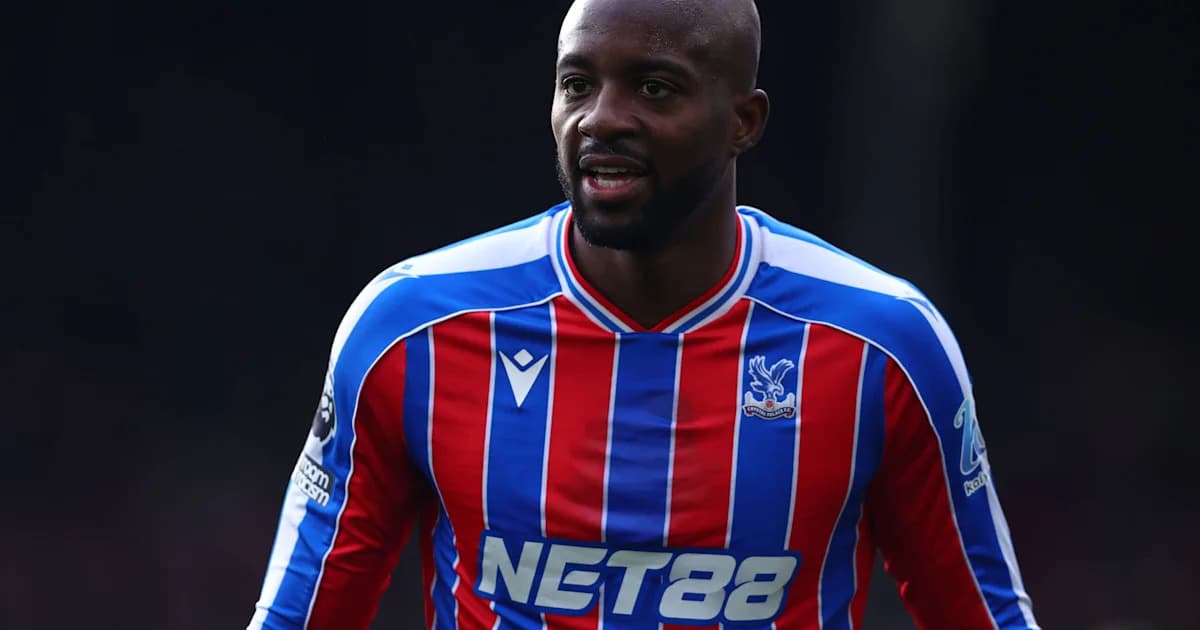
Once the session wrapped, Amad Diallo and Bryan Mbeumo were pushed in front of the microphones. A sizeable media pack had flown over from England, the kind of turnout that underlines how United still draw cameras even when the trophy count stalls.
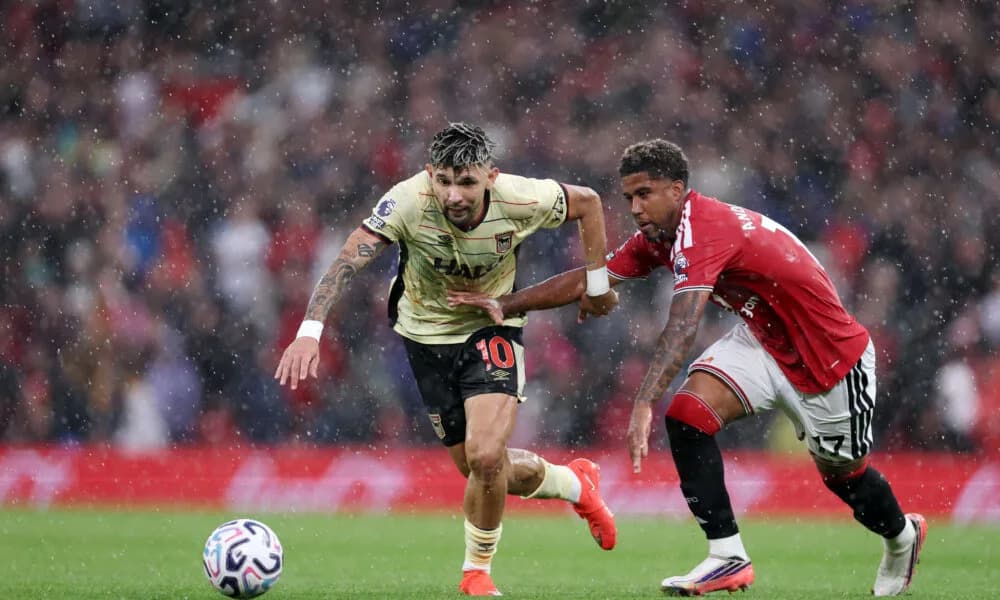
Mbeumo, who arrived from Brentford last summer in a €75 million deal, nodded towards the Irish venue with diplomatic enthusiasm. He admitted little prior knowledge of Croke Park but understood the weight of the fixture.
“Playing Leeds is a big rivalry for the club, it’s going to be good to play this kind of game especially in this historic stadium and big stadium. We have a big community of fans here. We’re very excited,” he said, hitting all the right notes.
He also made a point of saluting the man he left behind at Brentford, current manager Keith Andrews. The Cameroon international credited Andrews with a major role in last season’s success, particularly on set pieces, and spoke of his ability to motivate and squeeze more out of the group. Mbeumo is not surprised by Brentford’s current campaign, he said, because Andrews kept a strong core together. There was no bitterness in it, only respect.
Back at United, the bigger question hangs over the dugout. Who will be in charge next season?
“It’s not for us as players to decide,” came the line from both Mbeumo and Diallo. They stuck firmly to the script, but both were happy to praise Carrick’s work since stepping in as interim manager in January.
“He knows the journey of the club, he knows how to talk to us as well, I think it’s been easier because he knew the house,” Mbeumo said, summing up why Carrick has settled quickly into the role. He is not an outsider parachuted in; he is a former captain walking back through familiar corridors.
The players drifted off towards lunch soon after, leaving the pitches to fall quiet again. The fish van had long since gone. The kids slowly peeled away, still buzzing from a glimpse of their heroes, even if the silverware stories belong to someone else’s past.
United’s future, and who leads it, will be decided far from Carton House. But on a calm morning in Kildare, between the jokes, the chants and the selfies, you could feel the club trying to remember what it looks like to be at the centre of things in Europe again.