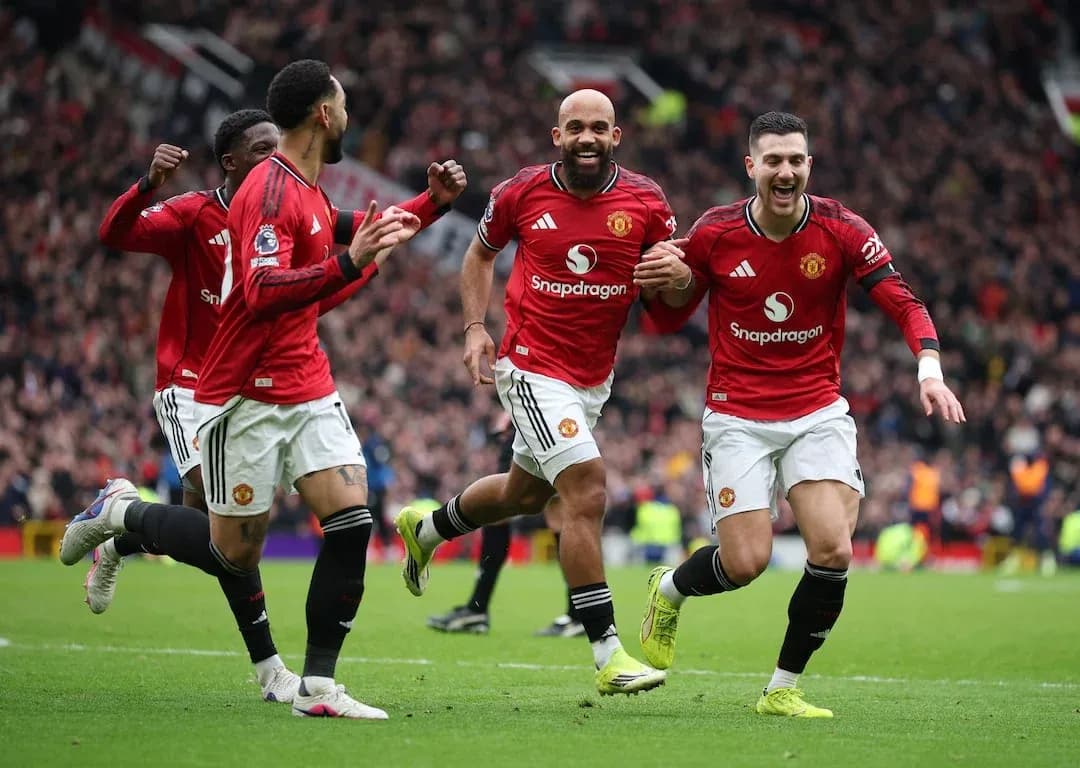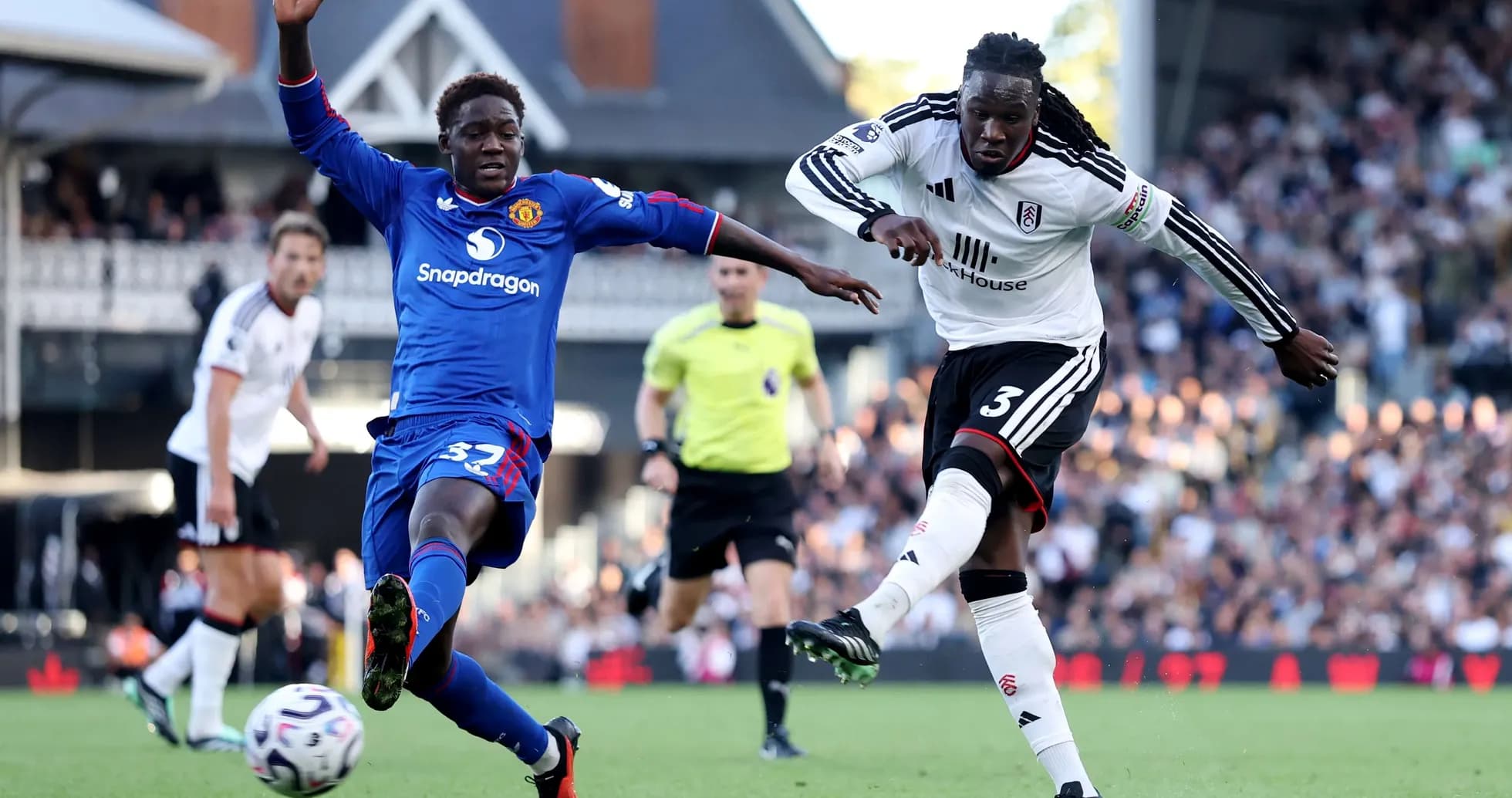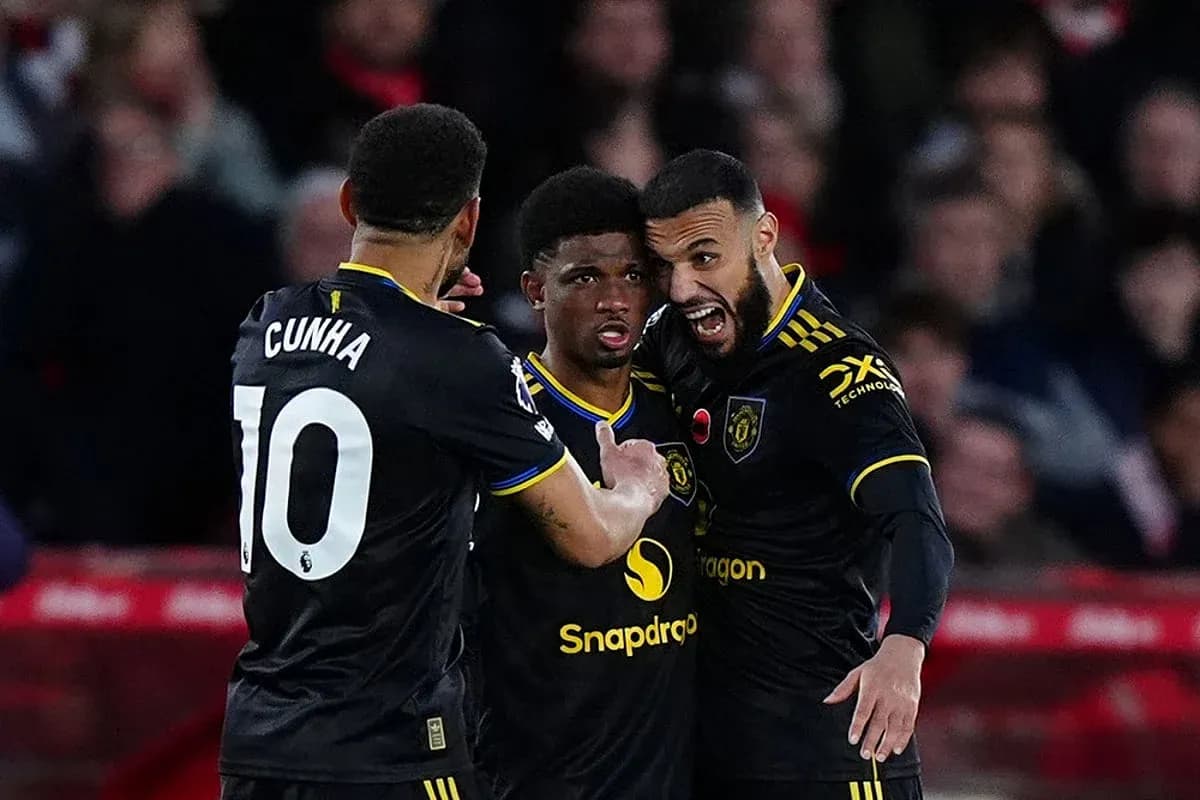
Manchester United vs Nottingham Forest: Premier League Round 37 Preview
Manchester United host Nottingham Forest at Old Trafford in a high‑stakes Premier League Round 37 fixture in 2026, with the home side pushing to lock in Champions League qualification from 3rd place on 65 points and Forest, 16th on 43 points, looking to remove any lingering relegation risk before the final day.
Head-to-Head Tactical Summary
On 1 November 2025 at the City Ground in the Premier League (Regular Season - 10), Nottingham Forest and Manchester United drew 2-2, with United leading 1-0 at half-time before Forest recovered for a point. Earlier in the same competition on 1 April 2025 (Regular Season - 30) at The City Ground, Forest edged a tight 1-0 home win, leading 1-0 at half-time and then managing the game out. On 7 December 2024 at Old Trafford in the Premier League (Regular Season - 15), Forest again took the points in a 3-2 away victory after a 1-1 first half, underlining their capacity to exploit United even in Manchester. In the FA Cup 5th Round on 28 February 2024 at The City Ground, United produced a controlled 1-0 away win after a 0-0 first half, showing a more compact knockout approach. The run of meetings began on 30 December 2023 in the Premier League (Regular Season - 20) at The City Ground, where Forest won 2-1 after a goalless first half. Across these five recent games, Forest have three wins, United one, and there has been one draw, with Forest repeatedly effective at home and United’s only win coming in the cup.
Global Season Picture
- League Phase Performance: In the league phase, Manchester United sit 3rd with 65 points from 36 matches, scoring 63 goals and conceding 48, for a goal difference of +15. Nottingham Forest are 16th with 43 points from 36 games, with 45 goals scored and 47 conceded, giving a goal difference of -2.
- Season Metrics: In the league phase, Manchester United average 1.8 goals scored and 1.3 conceded per match (63 for, 48 against over 36), reflecting a productive but occasionally exposed side. Their card profile shows sustained aggression late in games, with yellow cards peaking between 46-60 minutes (13, 21.31%) and 76-90 minutes (12, 19.67%), plus red cards clustered after the break (2 between 46-60 minutes and 1 between 76-90 minutes), indicating potential discipline risks in the second half. Nottingham Forest in the league phase average 1.3 goals scored and 1.3 conceded (45 for, 47 against), pointing to a balanced but low‑margin profile. Their yellow cards also spike between 46-60 minutes (15, 25.86%) and 61-75 minutes (13, 22.41%), with a single red card between 31-45 minutes, suggesting that intensity and defensive duels increase as matches progress.
- Form Trajectory: In the league phase, Manchester United’s recent form string of DWWWL shows a strong run of three straight wins followed by a draw and then a loss, suggesting momentum had built but has just been checked, making this fixture important to avoid a slide at the finish. Nottingham Forest’s DWWWD sequence reflects an upturn: three wins and two draws in the last five, with no defeats, indicating a team trending upward and using this late surge to move away from the bottom three.
Tactical Efficiency
Using the league-phase statistics as a proxy for tactical efficiency, Manchester United profile as attack‑tilted: 63 goals in 36 matches (1.8 per game) against 48 conceded (1.3 per game) indicates that their attacking index is stronger than their defensive index, with games often open and chance‑rich. Their frequent use of 3-4-2-1 and 4-2-3-1 suggests a commitment to maintaining multiple advanced lanes and high occupation between the lines, which aligns with their scoring output but also leaves space for counters, as reflected in their goals against. Nottingham Forest’s 45 goals for and 47 against in 36 matches (both at 1.3 per game) point to a more neutral efficiency profile: neither attack nor defence clearly dominates. The reliance on 4-2-3-1 in most matches supports a compact mid‑block with transitional threat, consistent with their ability to edge tight contests against United in recent meetings. In this context, any comparison of attack and defence indices would tilt United towards higher attacking efficiency but with defensive vulnerabilities, while Forest’s indices would cluster around parity, making them reliant on game state management and capitalising on opposition errors rather than overwhelming opponents.
The Verdict: Seasonal Impact
For Manchester United, a positive result here would be pivotal in consolidating a Champions League position from 3rd place, especially after a recent loss halted a strong run; victory would keep them clear of any late pressure from teams chasing the top four and allow them to approach the final round with margin for error. Dropped points, however, would invite tension into the last day and potentially turn Round 38 into a must‑win scenario to secure Champions League qualification. For Nottingham Forest, arriving in 16th with 43 points and in upward form, a win or even a draw at Old Trafford would significantly stabilise their position, likely ensuring safety before the final weekend and validating their recent tactical approach against top‑six opposition. A defeat would not automatically drag them into the relegation zone, but it would keep the door open for late jeopardy if results elsewhere turn against them. Structurally, this fixture is therefore a Champions League‑shaping match for United and a near‑decisive safety test for Forest, with both sides’ trajectories into 2026 heavily influenced by how they manage this penultimate‑round pressure.