Manchester United's Strategic Midfield Signings: Santos and Tielemans
For a brief spell at the start of the week, the old doubts crept back in around Old Trafford. Tottenham had just gazumped Manchester United to a key midfield target, and the familiar narrative was ready to write itself: slow, reactive, outmanoeuvred.
Then United moved. Hard and fast.
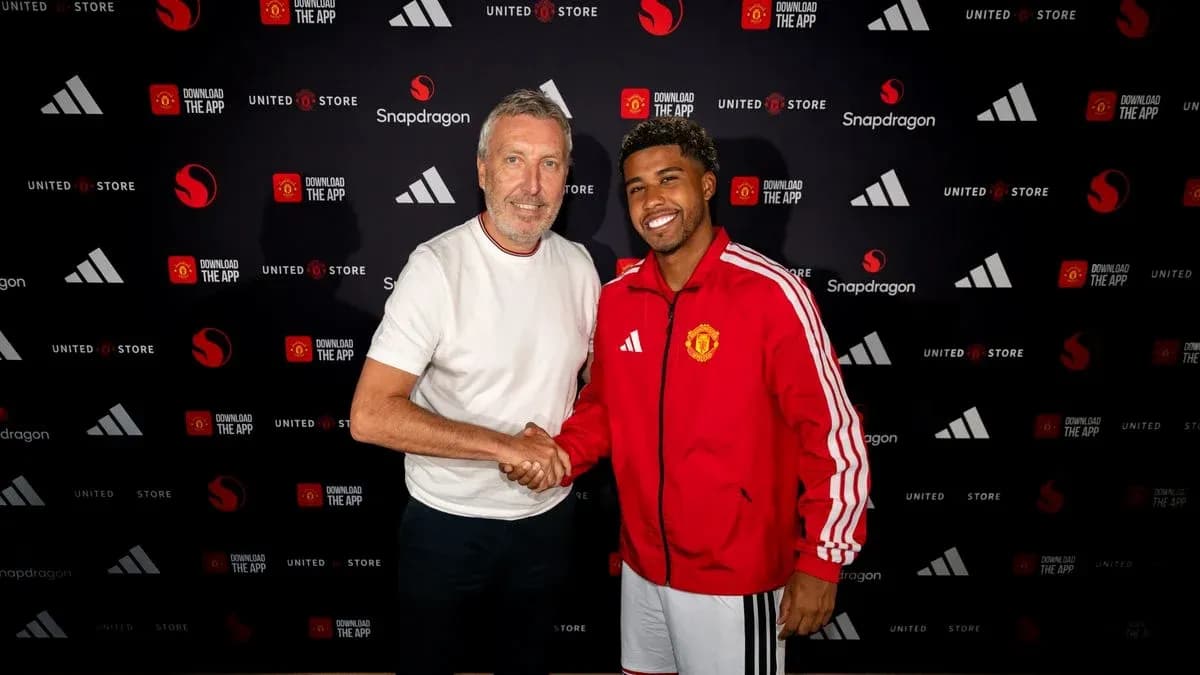
Within 48 hours, the club had two midfielders through the door. Andrey Santos arrived first in a £50 million deal on Monday, Youri Tielemans followed on Tuesday for £35m. One missed target, three completed transfers, and a very different story taking shape.
Spurs pay the premium, United take the value
The flashpoint was Mateus Fernandes. After losing out on Elliot Anderson to Manchester City, United identified the West Ham midfielder as the next major piece in their rebuild. The problem was the price.
West Ham wanted £85m up front. Tottenham paid it – and then put a £250,000-per-week contract on the table. United walked away.
That decision will define this window as much as any signing.
For the same combined fee Spurs paid for Fernandes, United landed Santos and Tielemans. Two players, two profiles, two different stages of their careers – and a recruitment department that, for once, looked like it had a plan and the nerve to stick to it.
Fernandes is talented, no question. His numbers last season put him not far behind Anderson on several key midfield metrics, which is why the top end of the Premier League took notice. But he also arrives with back-to-back relegations on his record and with a fee and wage packet that scream risk as loudly as they do potential.
Santos, by contrast, is raw but not miles behind in his development. Tielemans is the opposite end of the spectrum: polished, proven, and battle-tested in English football. Spurs have paid for tomorrow. United have paid for today and tomorrow at once.
A new regime that finally says “no”
The most telling part of this story is not just who United signed, but what they refused to do.
Tottenham’s offer to Fernandes – £85m and a quarter of a million a week – would have blown a hole straight through United’s wage structure. Matching it would not only have been a financial gamble, it would have sent the wrong message into a dressing room the club is actively trying to rebalance, both in personality and in pay.
Under the previous regime, United often flinched in these moments. Miss out on Frenkie de Jong? Panic and throw huge money at Casemiro. The pattern was familiar: late, expensive, and short-term.
This time, the new decision-makers held their line. They liked Fernandes, they rated him, but they would not be dragged into an auction that made no sense. The belief internally is simple: value exists in the market if you are disciplined enough to find it. Santos and Tielemans, secured for the price of one overpaid target, are the proof on paper.
Learning from the Amorim misstep
That discipline has not come out of nowhere. It follows a bruising lesson.
The Ruben Amorim experiment was a disaster from the moment it began. He arrived with big ideas and a stubborn streak, and while he did clear out some of the dressing-room egos and tried to reset the culture, the numbers in the Premier League were brutal.
- Worst win ratio of any United manager.
- Worst goals conceded per game.
- Lowest clean sheet ratio in the club’s top-flight history.
Amorim, by the club’s own reading, talked himself out of the job, with insiders convinced he was engineering his exit. The board were hammered for hiring him in the first place, and rightly so. But the fallout seems to have sharpened the focus upstairs.
Recruitment, long United’s Achilles heel, has started to look more coherent. The sense that “the penny had dropped” last summer has not entirely evaporated in a more complicated window; if anything, the Santos and Tielemans deals suggest that the strategy is holding under pressure, not collapsing at the first setback.
Tielemans: the adult in the room
If Santos is the long-term project, Tielemans is the plug-and-play solution.
At 29, he arrives with seven and a half years of Premier League experience and a reputation as one of its most consistent midfield operators. Aston Villa did not want to lose him. United gave him a stage he could not turn down.
His profile is exactly what Michael Carrick’s evolving side needs. Over recent seasons, Tielemans has been among the league’s most prolific short-range passers into tight spaces – almost more passes to an opponent within three metres than anyone else. It sounds niche, but it tells a clear story: he plays in traffic, links lines, and keeps the ball moving where the pitch is most congested.
Carrick wants a midfield that can knit attacks together rather than simply survive between the boxes. Tielemans’ dynamic range of passing – short, sharp combinations and longer switches when the game opens up – fits that blueprint perfectly.
Jason Wilcox, speaking after the deal was done, did not bother to underplay it.
“Youri has consistently been one of the most outstanding midfielders in the Premier League,” he said. “He has all of the technical qualities, as well as the ambition and mentality, to thrive at United.”
Wilcox also highlighted something numbers cannot fully capture: leadership. Tielemans was handed the Belgium captaincy last year and wore the armband in his final season at Leicester. With Casemiro’s departure ripping out a chunk of experience and authority from the core of the squad, Tielemans arrives not just as a passer, but as a presence.
A window still in motion
No one at Old Trafford is pretending the job is done. United still want a third high-quality midfield addition, and other areas of the squad need work before anyone talks about a “complete” summer.
But this week has changed the temperature around the club. Losing out on Anderson, then walking away from Fernandes, could easily have triggered the kind of scattergun scramble that has defined too many United windows. Instead, the club moved with purpose, filled two key roles, and refused to let panic write the cheques.
The new regime has been stung, criticised, and doubted since the Amorim fiasco. It deserved much of that scrutiny. Now it has something firmer to point to: a pair of signings that make football sense, financial sense, and dressing-room sense.
Santos brings upside. Tielemans brings certainty. Together, they cost what Tottenham have gambled on one unproven, highly paid hope.
If United keep making calls like that between now and the end of the window, the conversation around this club will shift from what they missed to what, at long last, they are starting to get right.