Manchester United's Future: Kai Rooney and Jacey Carrick Sign Scholarships
At Old Trafford, the past and future of Manchester United stood side by side.
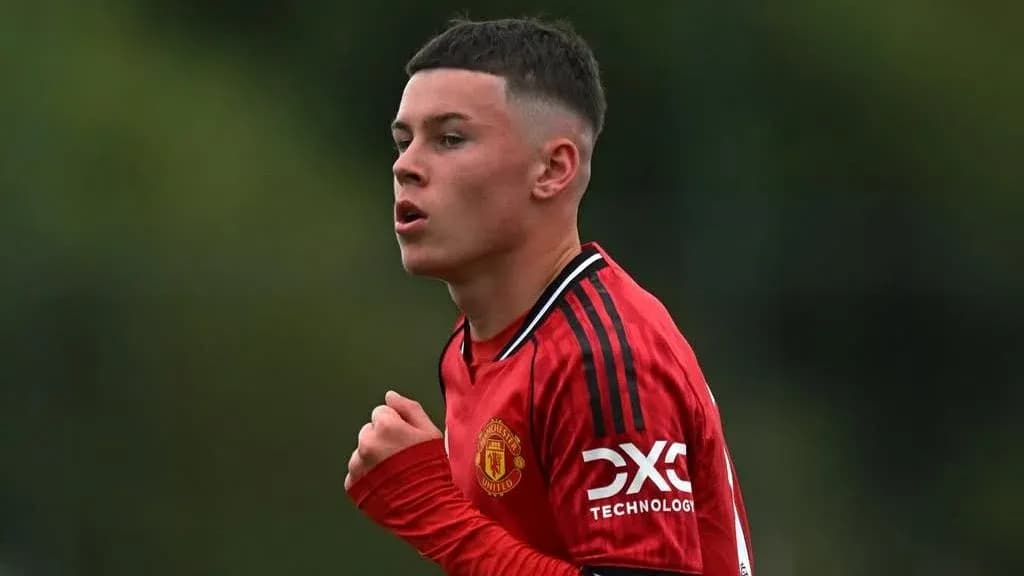
In the same stadium where their fathers once drove United to titles, Kai Rooney and Jacey Carrick signed the papers that formally pull them into the club’s most demanding phase of youth development. Sixteen years old, sons of Wayne Rooney and Michael Carrick, they walked into the Theatre of Dreams not as mascots or ball boys, but as scholars.
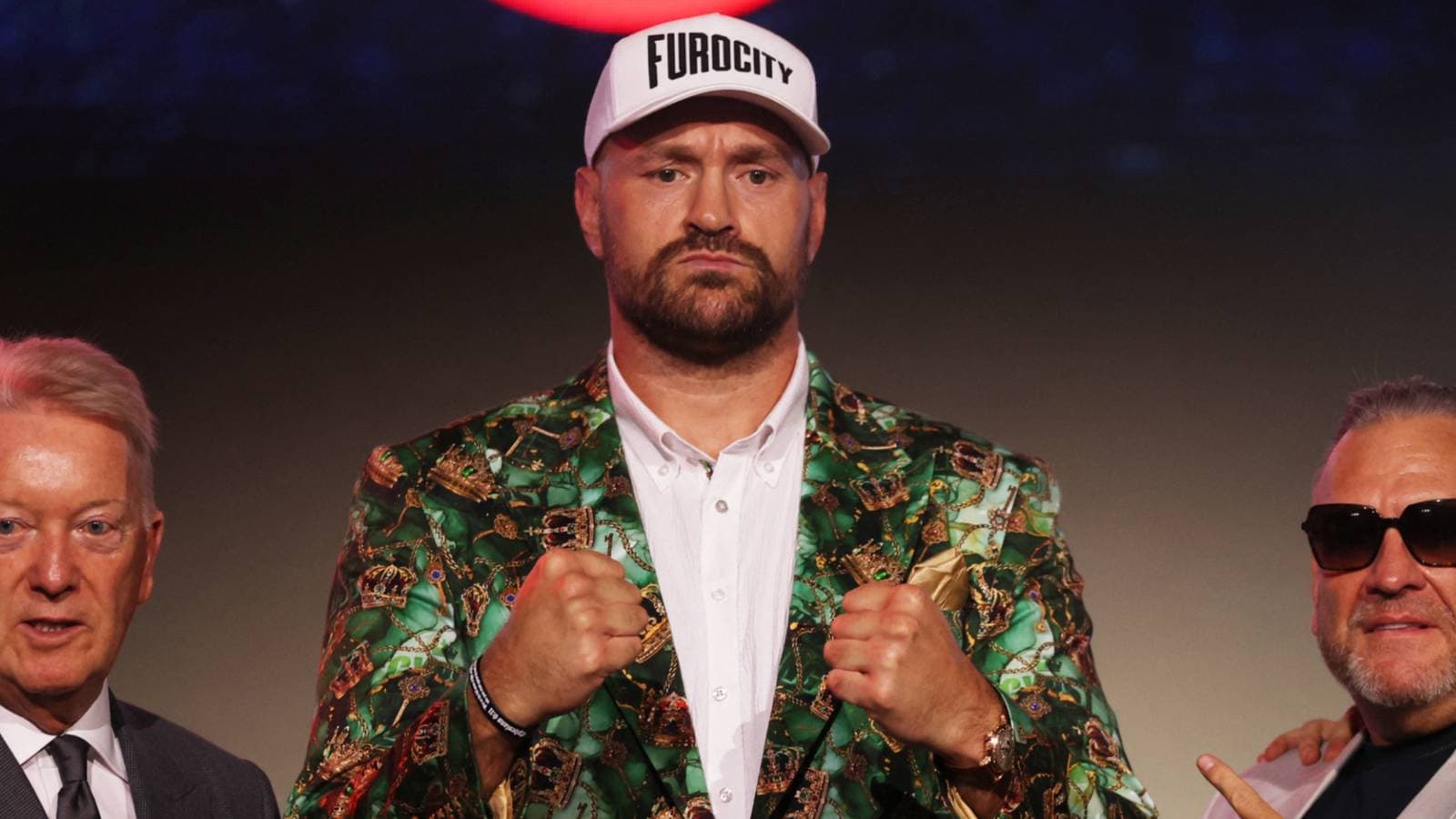
Wayne Rooney, briefly swapping the World Cup studio lights for the glow of Old Trafford’s hospitality suites, watched as Kai put pen to paper. Michael Carrick was there too, juggling his duties as United head coach with the unmistakable pride of a father seeing Jacey take his own first real step in the game.
The two teenagers posed together for photographs, and the image felt familiar. Two surnames etched into United’s modern history, now stitched onto academy tracksuits instead of Premier League shirts. For a moment, it was impossible not to think back to the years when Rooney and Carrick dominated midfields and finals together in red.
This stage of their journey is critical. The scholarship intake forms the final bridge between academy football and the professional game. From here, the pathway is brutally clear: impress, develop, survive. At 17, they can be offered professional contracts. Or they can fall away. There is no sentiment in that equation, even for famous names.
Kai Rooney has already started to push his way to the front of his age group. He made six appearances in the Under-18 Premier League last season and tasted the intensity of the FA Youth Cup. Coaches inside the club regard his progress as rapid, and expectations are quietly building that he will become a central figure for Darren Fletcher’s Under-18 side in the coming campaign.
The surname guarantees attention. It does not guarantee a career.
Wes Brown, who knows better than most what it takes to come through United’s system, has been clear about that. Speaking to GOAL last year, the former defender cut through the romance and focused on the reality: the work will define Kai, not the Rooney legacy. Brown highlighted the youngster’s technical quality and eye for goal, traits that have already pushed him into U19 squads for various tournaments, but his message was blunt — this has to be Kai’s story, not a sequel to his father’s.
Jacey Carrick faces a similar balancing act, though his route is likely to be different. A midfielder like his father, he made only one appearance for the Under-18s last season. On paper, that might look modest. Inside the club, the scholarship offer tells the real story: United believe there is something there to nurture, something worth the time, patience, and pressure of the Professional Development Phase.
For both boys, the romance of the occasion ends quickly. The next phase is unforgiving. More games, more scrutiny, tougher opponents, and the constant, quiet question: are you really United level?
They will not be alone in answering it. The ceremony also confirmed scholarship deals for six more youngsters: Gazik Ibragimov, Edson Dejonge-Seiros, Harlem McLaughlin, Pharell Silvester, Connor Laurie, and Jaume Camacho. No famous surnames, no World Cup pundits in the room for them, but the same opportunity and the same brutal standard to meet.
All eight now move into the Professional Development Phase, where the training load intensifies and the gap between promise and profession starts to narrow or widen. It is the stretch of the journey where reputations are made quietly, far from first-team spotlights, on windswept pitches and in relentless sessions.
One name, though, lingered in its absence from the list: JJ Gabriel. At 15, he is too young to sign scholarship terms, but his reputation already runs ahead of him. Inside and outside the club, he is widely regarded as one of the brightest prospects in the country. United expect to tie him down next season, yet they know the reality of the modern market. Elite talent attracts elite competition, and nothing is guaranteed until the ink dries.
For now, the focus stays on those who have committed, those who have stepped formally onto the tightrope between academy promise and senior football. The photographs with their fathers will be framed and cherished, but they will not win a single minute in Erik ten Hag’s side.
The real work starts now, and at a club like Manchester United, the question is ruthless and simple: which of these teenagers will still be walking out at the Theatre of Dreams in front of 75,000, and which will only ever have known it on nights like this?