Manchester United Dominates Crystal Palace in Strategic Battle
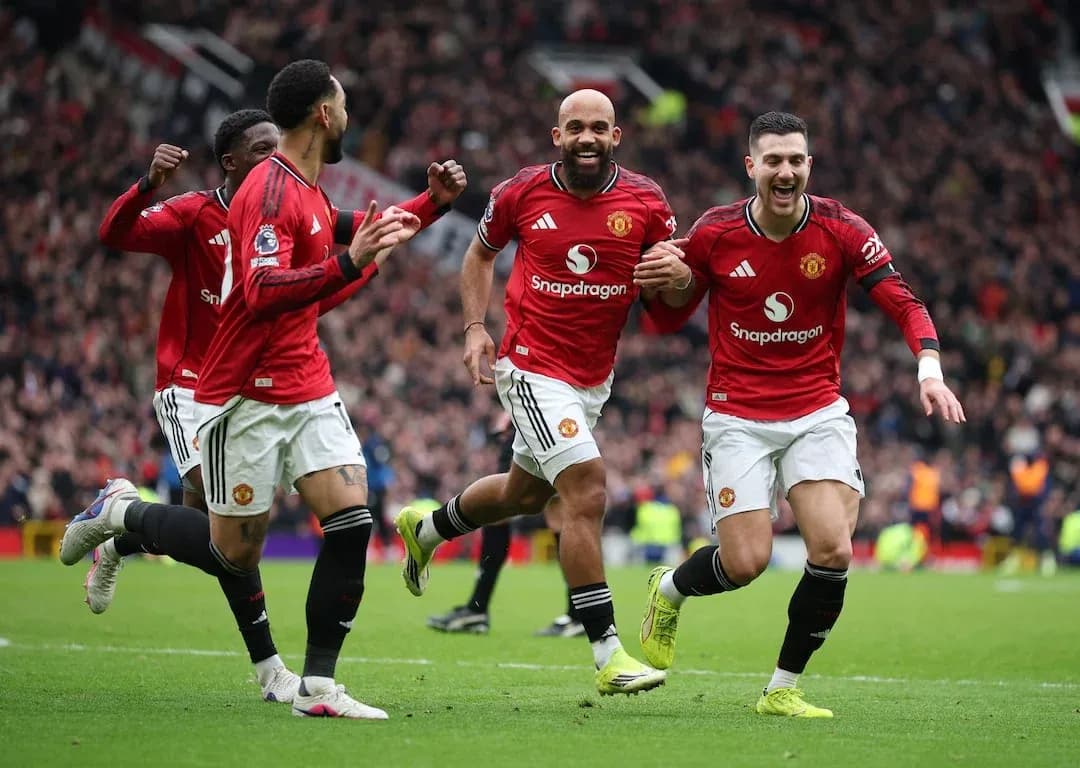
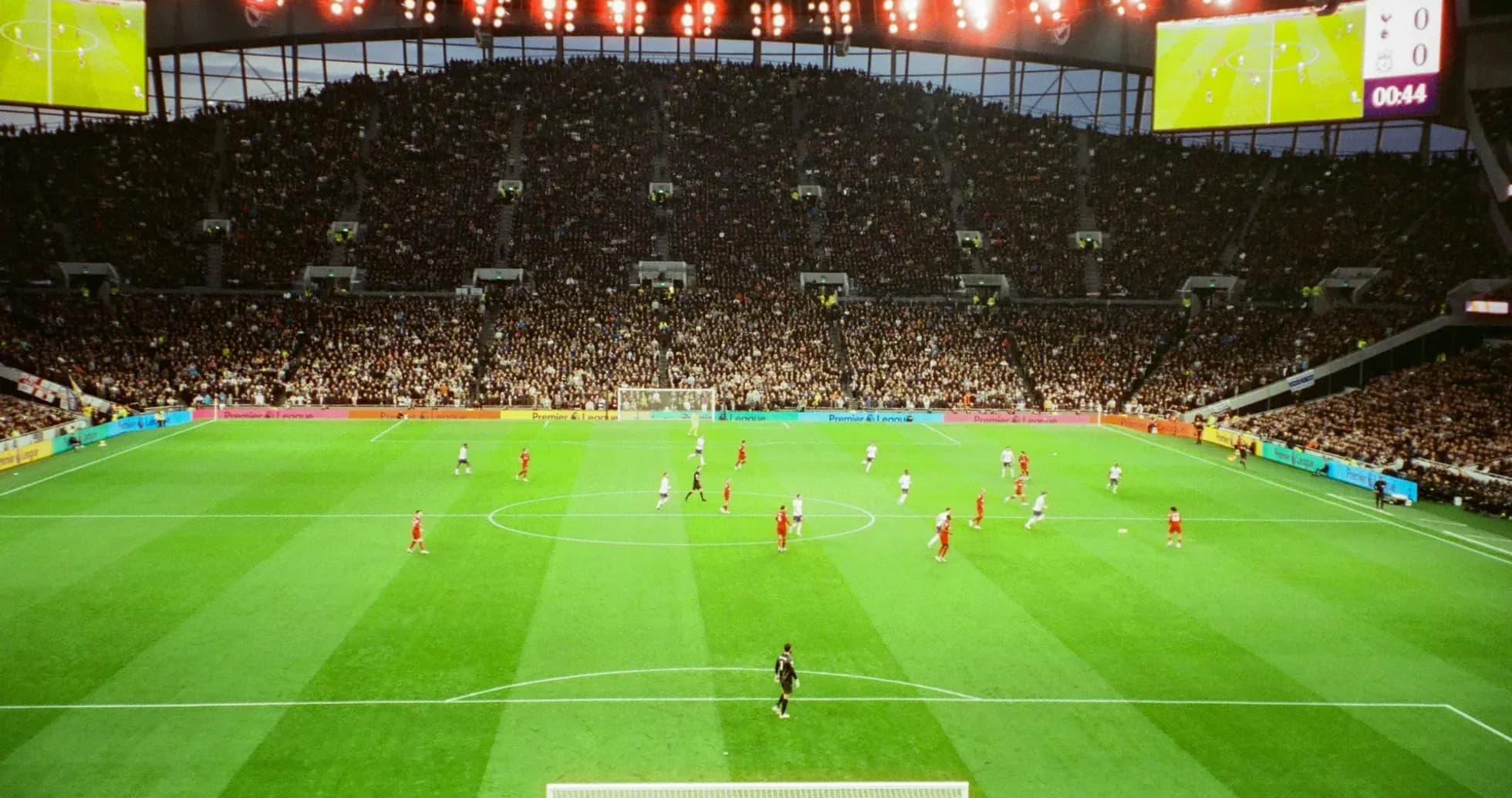
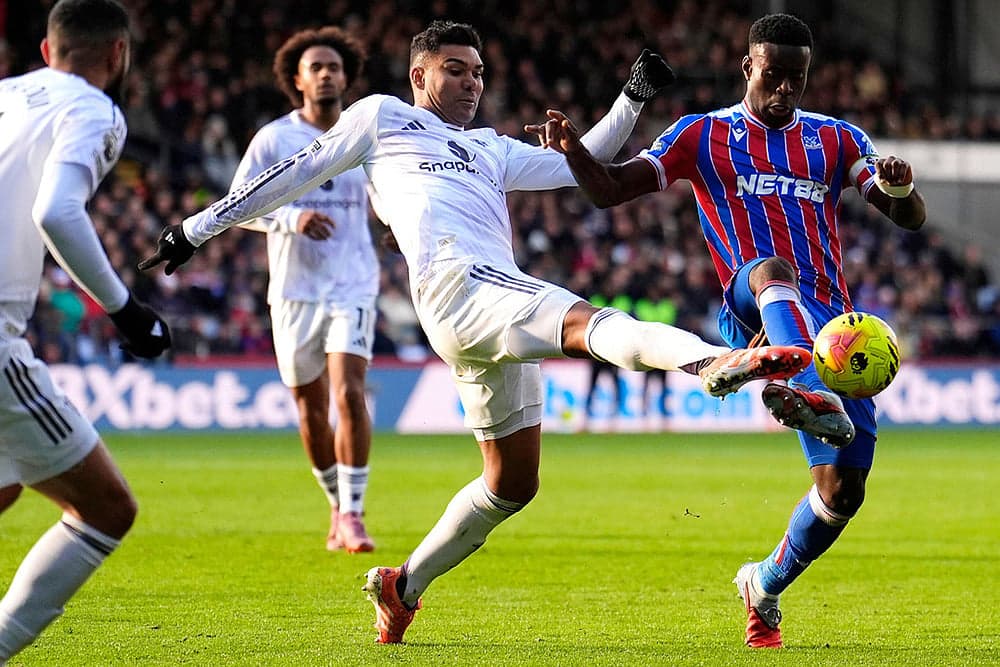
Manchester United controlled the rhythm at Old Trafford through sustained possession and territorial dominance. Their 61% of the ball, backed by 612 passes with 86% completion, shows a clear plan to build patiently from the back in a 4-2-3-1, using Casemiro and Kobbie Mainoo as the platform. Crystal Palace’s 39% possession and 399 passes at 77% accuracy underline a more reactive 3-4-2-1, focused on compactness and quick breaks. Palace’s early goal allowed them to sink deeper, but United’s possession was largely effective rather than sterile: it translated into consistent final-third presence, corners, and shot volume that gradually tilted the game.
Offensive Mechanics & xG Analysis
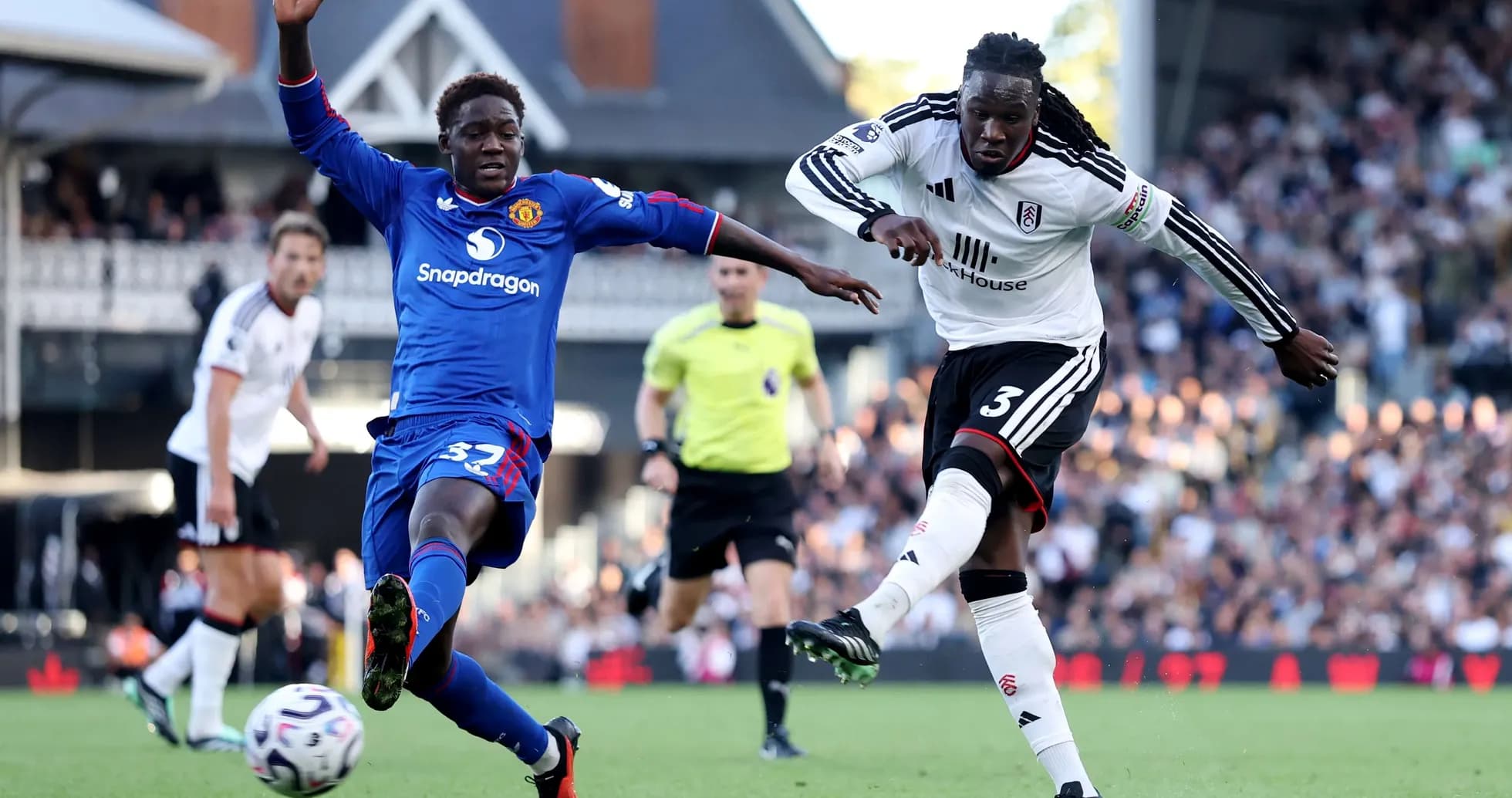
United’s attacking plan was volume and territory: 20 total shots, with 11 on target and 11 from inside the box, aligned with an xG of 2.16 and ultimately two goals. This suggests they broadly matched the quality of chances they created, combining central overloads from Bruno Fernandes in the No.10 role with wide rotations from Matheus Cunha and Bryan Mbeumo to unbalance Palace’s back three. The five United efforts that were blocked show Palace’s defenders often forced into emergency interventions inside their own area.
Crystal Palace, by contrast, generated only eight shots (three on target) and an xG of 0.38, reflecting a game plan built around isolated transitional moments rather than sustained pressure. Their three shots from distance and five inside the box indicate they did occasionally break through, especially early, but without consistent support numbers. United’s seven corners versus Palace’s single corner further reinforce the pattern: United kept Palace pinned back, recycling attacks and forcing clearances, while Palace rarely established attacking platforms high up the pitch. Dean Henderson’s nine saves underline that Palace’s low block was constantly being tested, with United repeatedly working the ball into shooting positions rather than relying on speculative efforts.
Defensive Intensity & Game Management
Out of possession, United were aggressive but controlled: 13 fouls and two yellow cards point to a willingness to counter-press without losing collective discipline. Their goalkeeper was required for only two saves, confirming that the defensive line of Leny Yoro and Harry Maguire largely kept Palace at arm’s length. Palace’s 12 fouls and two yellows, including a time-wasting caution for Henderson on 49 minutes, show a strategy of disrupting rhythm once ahead. The pivotal defensive moment was Maxence Lacroix’s red card for a last-man professional foul on 56 minutes, a direct consequence of United attacking space behind the back line. That dismissal turned Palace’s compact 3-4-2-1 into an even deeper rearguard action, with subsequent substitutions aimed at shoring up central zones rather than chasing the game.
Conclusion
Ultimately, Manchester United’s structured possession, chance volume, and alignment with their xG overpowered Crystal Palace’s low-volume, transition-based approach. United’s ability to convert territorial control into repeated box entries and shots made Palace’s low block unsustainable once reduced to ten men.