Manchester United's Late Surge Secures Victory Against Brentford
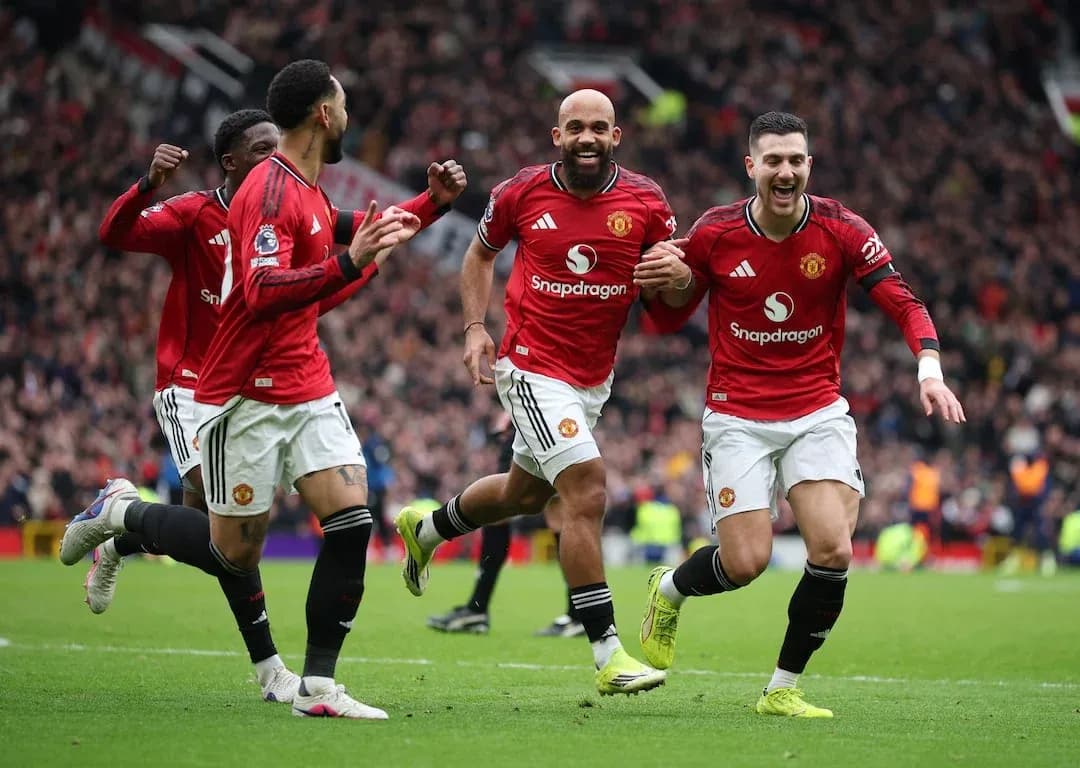
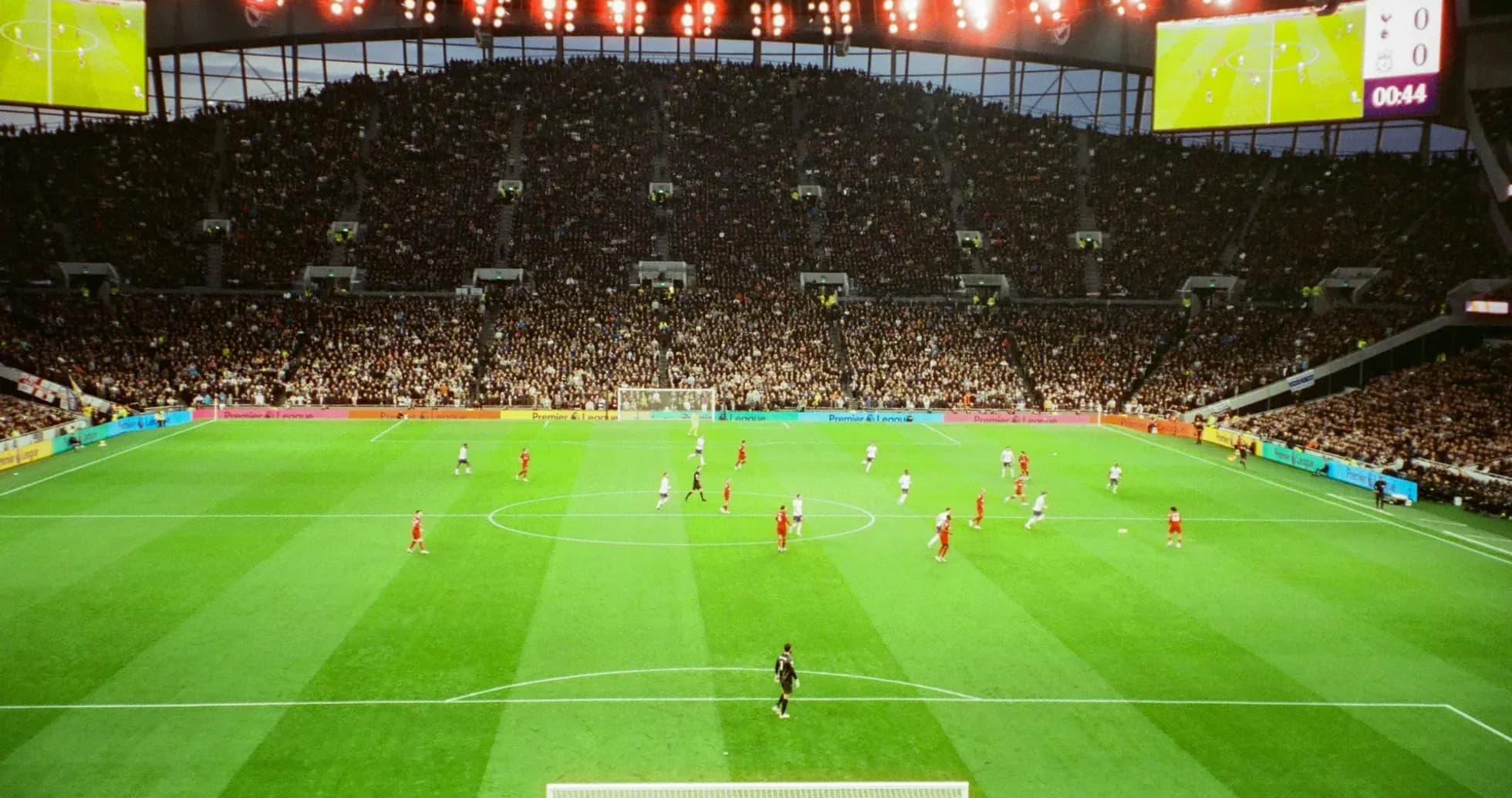
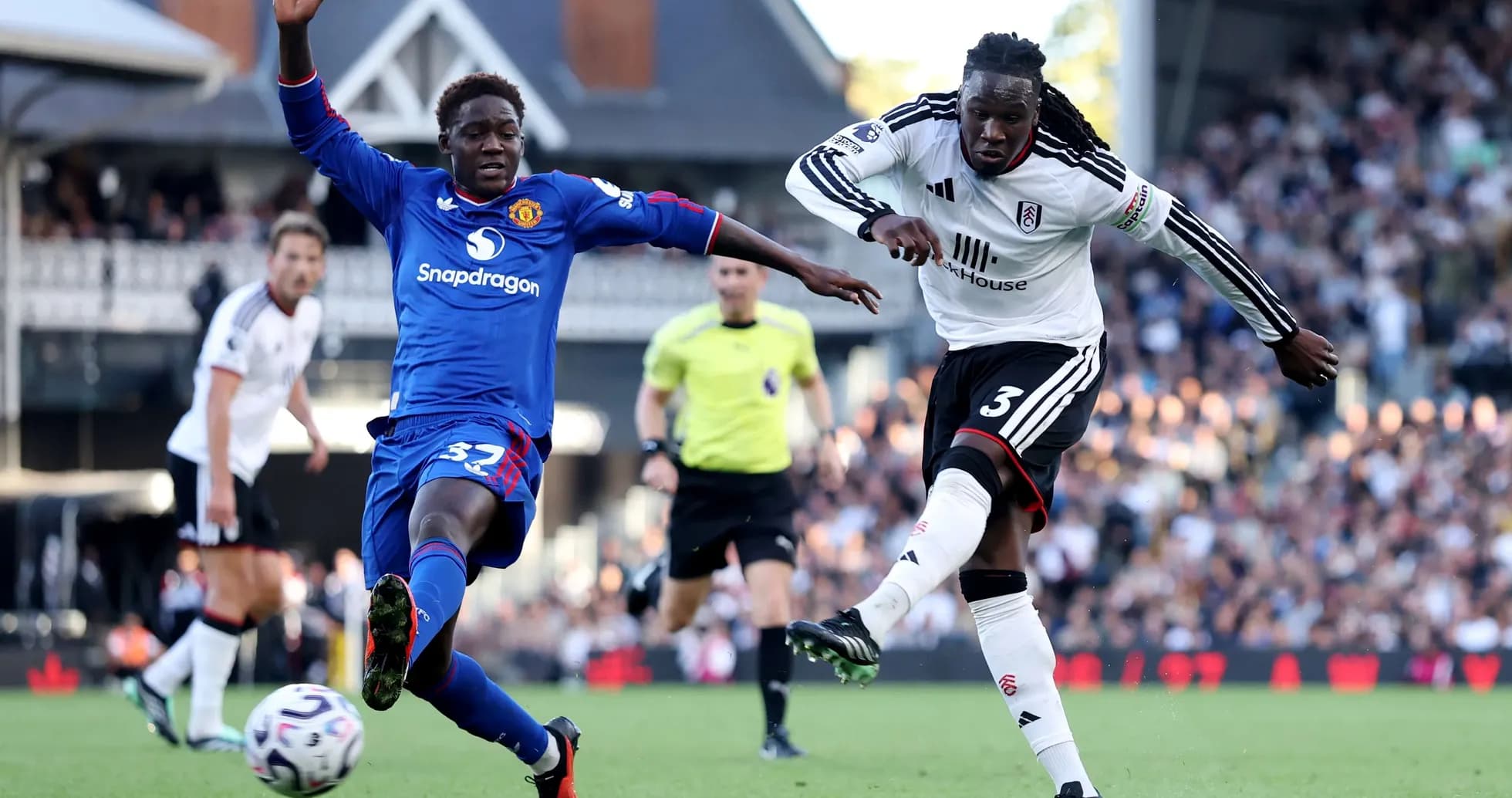
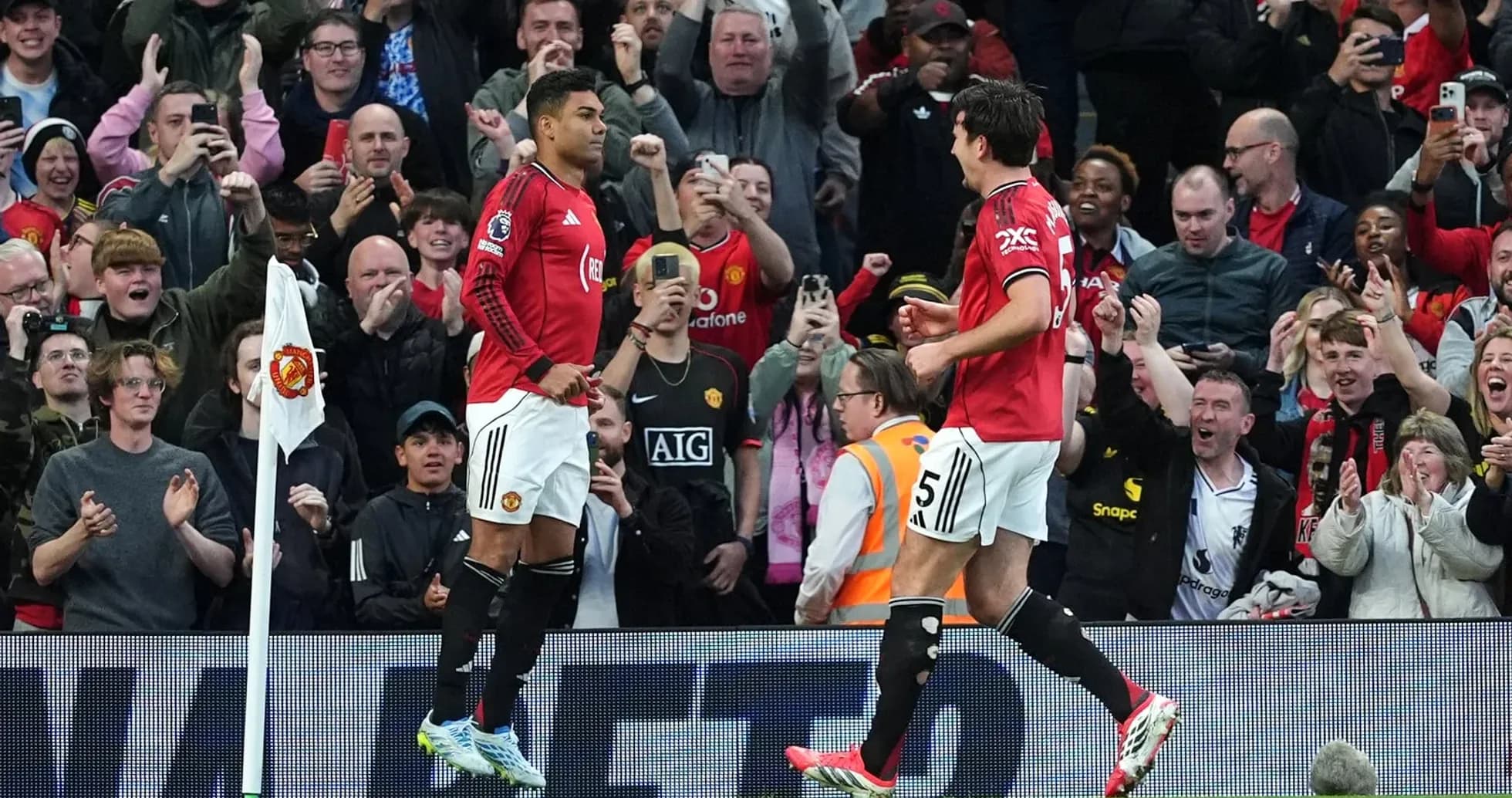
Old Trafford under the lights, Chris Kavanagh in charge, and a meeting between two sides whose seasons have taken very different shapes. Following this result, Manchester United’s 2-1 home win over Brentford in the Premier League’s Regular Season - 34 felt like a confirmation of their evolving identity as a high‑risk, high‑reward side, while Brentford left Manchester with the familiar sting of late-game punishment.
I. The Big Picture – contrasting seasonal DNA
United arrived in this fixture sitting 3rd in the table on 61 points, with a goal difference of 14 (60 scored, 46 conceded). Their season has been built on attacking volume and volatility. In total this campaign they have scored 60 league goals at an average of 1.8 per game, with Old Trafford providing a particularly fertile stage: at home they average 1.9 goals, scoring 33 in 17 matches. Yet that ambition comes at a price. They concede 1.4 goals per game overall, 1.2 at home, and their defensive minute distribution exposes a recurring pattern: 29.79% of their goals against arrive between 76-90’, their most fragile window.
Brentford, 9th on 48 points with a goal difference of 3 (49 for, 46 against), carry a different kind of volatility. On their travels they average 1.2 goals for and 1.6 against, a profile of a side that will trade punches but rarely control the ring. Like United, they are haunted by the closing stretch: 31.82% of their conceded goals land in that same 76-90’ segment. Heading into this game, it was always likely that the match would be decided late, when legs tire and structure frays.
Both sides lined up in a 4-2-3-1, but the shared shape masked very different intentions. Michael Carrick’s United are increasingly comfortable living high up the pitch, while Keith Andrews’ Brentford rely on directness, transitions and the ruthless finishing of their spearhead.
II. Tactical voids – who was missing, and what changed
United were without three significant figures: M. Cunha (groin injury), L. Martinez (suspended after a red card), and M. de Ligt (back injury). The absence of Martinez and de Ligt forced Carrick to lean on H. Maguire and A. Heaven as his central pairing, with D. Dalot and L. Shaw flanking them. This back four, in front of S. Lammens, lacks the left‑footed balance and front‑foot aggression Martinez usually provides, nudging United towards a slightly deeper starting position in early build-up before stepping higher as confidence grew.
Further forward, the attacking band of B. Mbeumo, B. Fernandes and A. Diallo behind B. Šeško gave United a potent mix of creativity, pressing and vertical threat. Casemiro and K. Mainoo anchored the midfield, the Brazilian tasked with policing transitions and the youngster knitting play between lines.
Brentford’s absentees were more numerous and subtly damaging to their structure. F. Carvalho (knee), J. Henderson (knock), R. Henry (muscle injury), V. Janelt (foot injury) and A. Milambo (knee) all missed out. The loss of Henry and Janelt in particular weakened both the left flank and the central ballast. K. Lewis-Potter had to operate as a nominal left-back, while the double pivot of Y. Yarmolyuk and M. Jensen carried a heavy load screening the back four.
With K. Schade – a player already on the disciplinary radar after a red card earlier in the season – starting wide, Andrews had to balance his aggression with game management, aware that Brentford’s yellow-card curve spikes late: 25.81% of their bookings arrive between 76-90’, mirroring their tendency to be stretched in the closing stages.
III. Key matchups – Hunter vs Shield, Engine Room vs Enforcer
The “Hunter vs Shield” duel was always going to centre on Thiago for Brentford and United’s reshaped defence. Igor Thiago, Brentford’s leading scorer with 21 league goals and 7 penalties scored, is a penalty-box predator who thrives on quick deliveries and broken play. He had already missed one penalty this season, so his record was dangerous rather than flawless. His 61 shots, 39 on target, underline a forward who needs only glimpses.
Against him, Maguire’s profile was crucial. In league play he has blocked 8 shots, and his aerial dominance (113 duels contested, 82 won) is central to United’s ability to deal with crosses and long diagonals. With Heaven alongside him, United’s plan hinged on compressing space around Thiago and forcing Brentford to shoot from poorer zones.
At the other end, B. Šeško carried United’s pure striking threat. With 10 goals in 29 appearances, he is less prolific than Thiago but offers depth running that stretches back lines. Brentford’s away record – 27 goals conceded in 17 matches, 1.6 per game – suggested that if United could isolate Šeško against S. van den Berg and N. Collins, chances would come.
The true creative heartbeat, though, lay in the “Engine Room” battle. Bruno Fernandes, the league’s top assist provider with 19, has attempted 1790 passes at 82% accuracy, with a staggering 115 key passes. His job was to find the seams between Brentford’s midfield and defence. Opposite him, Yarmolyuk and Jensen had to act as the enforcers, clogging those channels and preventing Bruno from turning.
Behind them, Casemiro was United’s own enforcer. Across 32 appearances he has made 84 tackles, 25 successful blocks and 28 interceptions, while also scoring 9 goals. His disciplinary edge is well-known: 9 yellow cards and 1 yellow-red this season. That edge mirrors United’s broader card profile: 19.64% of their yellows come between 76-90’, precisely when Brentford like to surge.
On Brentford’s flank, K. Schade’s duel with L. Shaw and Heaven was another flashpoint. Schade brings 7 goals and 3 assists, plus 64 dribble attempts, and his directness is a key outlet. But his card history – 6 yellows and 1 red, plus a penalty missed despite winning 2 – meant that any frustration could quickly turn into a liability, especially with Brentford’s late yellow-card spike.
IV. Statistical prognosis – why United edged the balance
Following this result, the numbers around the fixture make sense. United’s season-long goal profile shows a late-game surge: 23.73% of their goals arrive between 76-90’, their most productive window. Brentford’s defensive curve is at its weakest in exactly that same period, with 31.82% of their concessions coming late. The intersection was always likely to decide the match, and United’s 2-1 scoreline, after leading 2-0 at half-time, fits the script of a side that can both strike early (20.34% of their goals between 31-45’) and punish fatigue.
Defensively, both teams concede 1.4 goals per game overall, but context matters. United’s 4 clean sheets at home and only 2 home failures to score underline a strong Old Trafford baseline. Brentford, by contrast, have failed to score 6 times away and kept 5 away clean sheets; they oscillate between stubborn and blunt on their travels.
In xG terms – even without explicit values – United’s shot volume, creative hub in Bruno, and home scoring average of 1.9 suggest a higher underlying chance creation than Brentford’s 1.2 away goals average. Brentford’s reliance on Thiago’s finishing and late surges is a narrower path to consistent chances, especially against a United side that, for all its defensive lapses, can still compress the box and rely on Casemiro’s screening.
Add in the absences – United’s were structural but coverable, Brentford’s stripped depth and balance – and the tactical picture tilts red. The 2-1 scoreline, with United controlling the first half and surviving a Brentford response, reads as the logical outcome of two teams whose statistical identities collided exactly where the numbers said they would: in the dying minutes, with United still creating and Brentford still vulnerable.