
Manchester City Scandal: The Biggest in Sports History and Its Impact on Football
As Europe's top clubs gathered in Copenhagen, many eyes were fixed on Ferran Soriano, Manchester City's CEO, who seemed almost frozen in place. Some said he repeatedly put on headphones to avoid conversations amid the fallout from the Premier League's damning independent commission verdict against City.
The club had issued a staff video response that went beyond their official statement, dismissing the panel's findings as "unsafe." Soriano called it a conspiracy against the club and vowed to defend City and seek compensation from those harming its reputation.
Those around him noticed his unwavering stare, while many staff appeared confused by the aggressive tone of the response. This reaction struck many as out of step with typical English sporting culture—too extreme and disconnected from reality.
Social media reflected genuine anger from fans toward the club's ownership for the first time, with City's reputation suffering significant damage. Some in football circles described the club's stance not as defiance but as delusion. Even the powerful legal resources City commands might struggle to convince skeptics if they rely solely on process-based appeals instead of addressing the overwhelming evidence.
A System of Industrialized Cheating
The evidence points to what could be the most sophisticated cheating system football has ever witnessed. This scandal ranks among the largest in sports history, challenging much of the Premier League's past achievements, similar to how doping scandals affected the Tour de France. The only comparable controversy might be the Qatar and Russia World Cup bidding saga.
The case carries strong geopolitical undertones because of Abu Dhabi's involvement. Manchester City's owners are deeply intertwined with the state's interests, which have faced criticism over issues like arms embargo violations in Yemen and Syria. Leaked emails suggest the owners might be willing to bring down the entire Premier League if they cannot operate as they wish.
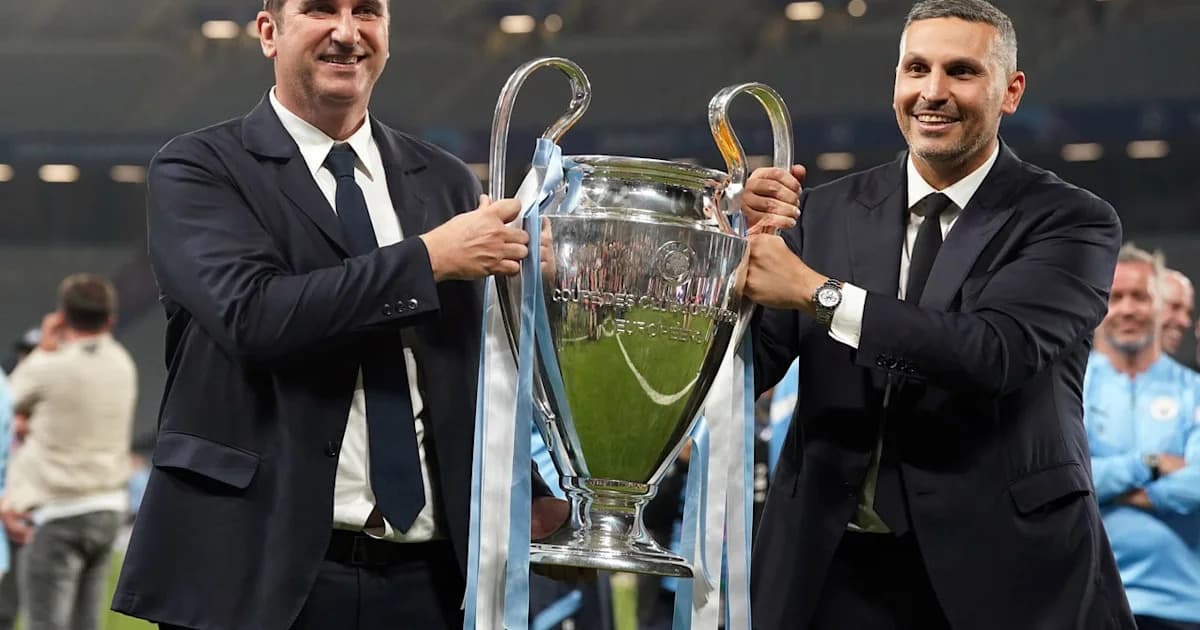
Khaldoon Al Mubarak, City's chairman, represents this connection to Abu Dhabi, adding a complex political layer. This is a situation where the owners resemble spoiled royalty, used to unchecked power, threatening the integrity of football's institutions.
Uncertainty Clouds the Future
If the appeal process drags on for years, as Soriano indicated, it could undermine the Premier League's credibility. Matches involving City would take place under a shadow of doubt, eroding trust in results, which is fundamental to sport.
The whole saga raises a question about football’s decision to allow autocratic states such influence. This scandal may represent not just a reckoning for Manchester City but an inflection point for an era defined by light regulation and leniency towards owners advocated by former Premier League chief executive Richard Scudamore.
Problems ignored for too long have now exploded into public view, confirming warnings from those concerned about the game's integrity.
Repercussions for the Club and Fans
Despite fears about Abu Dhabi's power and geopolitical clout, this scandal feels overwhelming and toxic, reminiscent of corporate collapses like Enron or media scandals such as News of the World. Manchester City's reputation will suffer for a generation.
The club itself, separate from its owners, also suffers as fans wrestle with the taint on recent glories. Hostility toward critics of ownership has softened as many supporters question whether the success was worth the cost.
From a peak of unmatched dominance, City faces a deep crisis filled with uncertainty and emotional lows.
Questions Looming Over Ownership and Football's Future
- Will the Abu Dhabi ownership sell? Gulf autocracies typically reject shame, but will they risk political capital to save City's standing while facing broader challenges like UK pressure over Sudan accountability?
- Could an independent football regulator intervene? The scale of this scandal might prompt regulators to label the owners rogue and push for a sale.
- Is this a good day or bad day for football? Maybe both. One hopeful outcome could be ownership by a fan trust, restoring some integrity. As a scandal, though, this situation stands alone in its magnitude and complexity.



