Manchester City's Record Move for Elliot Anderson vs Liverpool's Handling of Curtis Jones
Manchester City’s record-breaking move for Elliot Anderson has not just reset the midfield market. It has thrown a harsh, unforgiving spotlight on Liverpool’s handling of Curtis Jones.
On Thursday evening, City agreed a deal with Nottingham Forest to sign Anderson for a staggering £116m, according to the BBC. It is a club-record fee for the champions, the highest sum ever paid for a midfielder, and it makes the 23-year-old the most expensive British footballer in history.
That number changes the conversation. Everywhere.
Anderson is already a standout midfielder and, at 23, has years ahead of him to climb into the game’s elite. You can see why City have gone all in. They are paying for the player he is and the one he is almost certain to become.
But as City push the ceiling higher, Liverpool seem intent on crawling under the floor.
The Reds are edging towards selling Curtis Jones, a homegrown Scouser, a player who has come through their system and learned the game under the highest possible pressure. He is 25, with only a year left on his contract, and that contract situation naturally drags the price down.
Even with that context, the reported £35m asking price is startling. Borderline negligent.
There is clearly a far more valuable footballer in Jones than that figure suggests. In a market where top-level English midfielders are at a premium, Liverpool are flirting with the idea of letting one go for a fee that looks wildly out of step with reality.
The contrast is brutal. On one side, City are paying £116m to prise a 23-year-old midfielder from Forest. On the other, Liverpool are prepared to entertain offers around £35m for a 25-year-old international-level midfielder who knows their system, their demands, their stage.
The Anderson deal underlines the strength of the market. Clubs will pay, and pay heavily, for English midfielders of genuine quality. Against that backdrop, Liverpool’s stance on Jones feels baffling and, for many, infuriating.
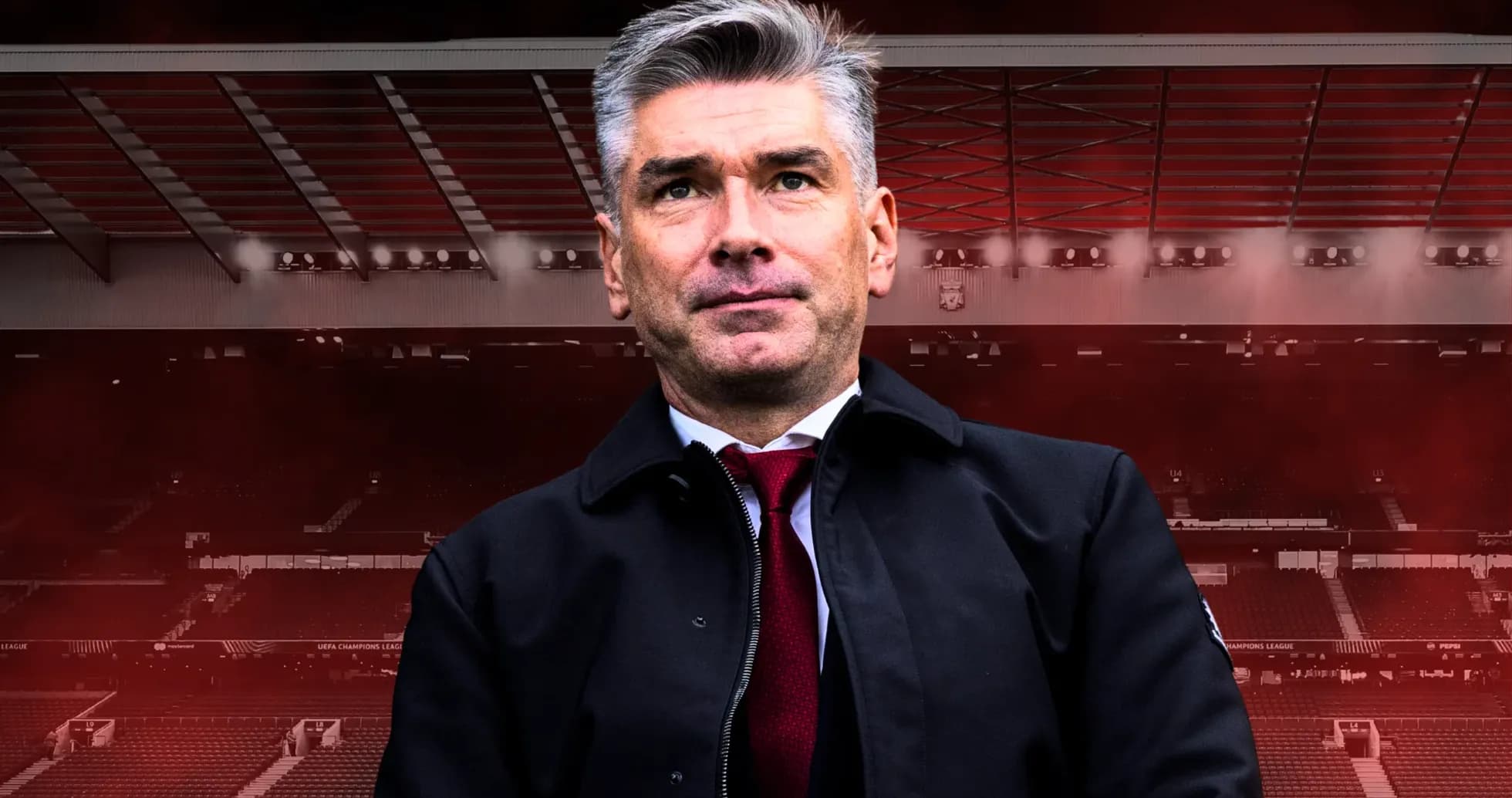
This is where Richard Hughes comes under the microscope.
Liverpool’s new sporting director should be tying Jones down, not preparing to cash out on him at a discount. The logic is simple: if you believe in the player, you protect the asset. If you do not, you certainly do not allow him to run down his deal to the point where his value collapses.
Yet that is exactly where Liverpool now stand. Instead of moving decisively to secure a new contract, they look poised to lose a midfielder who, in this market, could easily command a fee in the region of €90m under a stronger contractual position.
The gap between what Jones could be worth and what Liverpool are reportedly willing to accept is not a minor miscalculation. It is the kind of misstep that can define a sporting director’s early months and set off alarm bells across Anfield.
The club should never have allowed it to reach this stage. A player of Jones’s profile, age and nationality, with his experience at a club of Liverpool’s stature, does not simply walk out the door for £35m in a world where Anderson costs £116m.
Yet that is the road Liverpool are racing down.
Unless they change course quickly, they are heading straight into one of the most lopsided deals of the summer window – and one that could haunt them long after the ink has dried.