Manchester City vs Coventry: Tactical Analysis of Premier League Clash
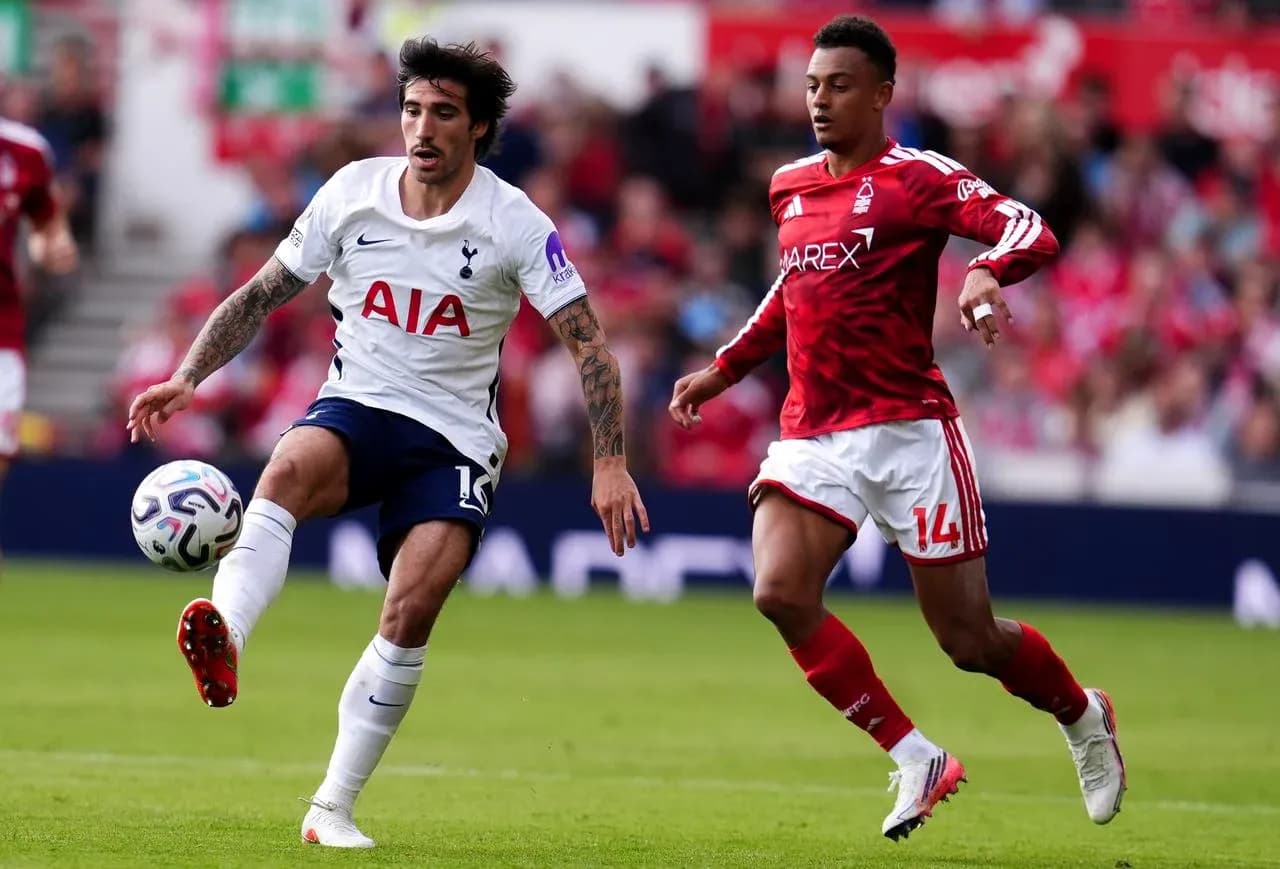
Etihad Stadium felt almost routine on this Premier League afternoon, but beneath the 1–0 scoreline lay a revealing snapshot of two clubs heading in opposite directions. Manchester City, already top of the table with 9 points from 3 matches, extended their perfect start and underlined a new tactical identity under E. Maresca. Coventry, rooted to 20th with 0 points and no goals from their first 3 games, left Manchester with their season-long story unchanged: organised in shape, blunt in the decisive zones.
I. The Big Picture – Control versus containment
Heading into this game, the numbers framed a mismatch. Overall, Manchester City had scored 7 goals and conceded 2 in their first 3 league matches, with an overall scoring average of 2.3 goals per game and 0.7 conceded. At home, they had been more patient and controlled: 3 goals for and 1 against across 2 fixtures, an average of 1.5 scored and 0.5 conceded at Etihad Stadium.
Coventry arrived with the mirror image of that profile. Overall, they had played 3, lost 3, scored 0 and conceded 5, an overall defensive average of 1.7 goals against per match and an attacking average stuck at 0.0. On their travels, the picture was even harsher: 2 away games, 2 defeats, 0 scored and 4 conceded, at an away defensive rate of 2.0 per match.
The final 1–0 therefore reads almost like a compromise between City’s attacking potential and Coventry’s deep, damage-limitation approach in a 3-4-2-1. The league table confirms the divergence: City’s goal difference of +5 (7 for, 2 against) matches their status as early leaders; Coventry’s -5 (0 for, 5 against) underlines a side still searching for a foothold at this level.
II. Tactical Voids – Who was missing, and what it cost
City’s absentee list was short but significant. J. Doku, ruled out with a calf injury, removed one of Maresca’s purest one-v-one threats. In his place, the width and chaos had to be manufactured by structure rather than dribbling: the 4-2-3-1 relied on the advanced midfield line of A. Semenyo, R. Cherki and I. Ndiaye to rotate into wide pockets rather than simply beating their man.
Coventry’s problems were deeper and more structural. Y. Gboho (transfer negotiations), K. Kesler-Hayden and H. Wright (both muscle injuries), S. Mfuni (loan agreement) and L. Woolfenden (knee injury) all missed out. It left F. Lampard leaning heavily on a back three of A. Amenda, B. Thomas and E. Pinnock, with wing-backs M. van Ewijk and J. Dasilva asked to cover enormous ground. The absences robbed Coventry of alternative profiles in both defence and transition; the bench carried forwards like L. Tchaouna, E. Simms and B. Thomas-Asante, but little in the way of secure build-up or calm possession under pressure.
Disciplinary trends also shaped the risk calculus. City, heading into this match, had spread their yellow cards evenly, with 25.00% of their cautions arriving in each of the 31–45, 46–60, 76–90 and 91–105 minute bands. It suggests a side that can foul tactically across the game without losing control. Coventry, by contrast, had shown a spike of early aggression: 50.00% of their yellows had come between 16–30 minutes, with further late-game frustration reflected by 25.00% in 76–90 and 25.00% in 91–105. For a team defending deep at Etihad Stadium, that volatility risked cheap free-kicks around the box.
III. Key Matchups – Hunter vs Shield, and the Engine Room
The headline duel was always going to be E. Haaland against Coventry’s back three. Haaland entered as one of the league’s leading forwards, with 3 goals from 3 appearances, 13 shots (8 on target) and an overall rating of 7.8. His physical profile and penalty-box instincts are designed to punish teams who defend too deep for too long.
Coventry’s “shield” was collective rather than individual. E. Pinnock anchored the line, flanked by A. Amenda and B. Thomas, with the protection of a compact midfield quartet. Their season so far, however, offered little comfort: overall they had conceded 5 and kept 0 clean sheets, with no game yet in which they had successfully shut down a top-level attack. The 1–0 suggests they did about as well as could be expected, but it also underlines that against a striker like Haaland, “almost perfect” is not enough.
Behind Haaland, the creative burden fell on R. Cherki, operating as the central playmaker in the 4-2-3-1. Cherki’s season numbers – 2 goals, 2 assists, 10 key passes and 92% pass accuracy across 158 passes – paint him as City’s primary conduit between midfield control and final-third incision. His duel was with Coventry’s double pivot of F. Onyeka and M. Grimes. Onyeka’s job was to disrupt; Grimes to pass out of pressure. In practice, Coventry’s inability to sustain possession meant Cherki and Semenyo could keep reoccupying dangerous pockets between the lines, forcing Coventry ever deeper.
In the “engine room” behind Cherki, E. Fernández and E. Anderson formed the double pivot. Fernández’s metronomic passing allowed City to recycle and pin Coventry in, while Anderson’s role was to step into half-spaces and counterpress immediately after losses. For Coventry, the counterweight lay in the legs of M. van Ewijk and J. Dasilva, who had to sprint out to pressure City’s full-backs A. Khusanov and J. Gvardiol without leaving gaps for Ndiaye and Semenyo to exploit.
IV. Statistical Prognosis – What this game says about both trajectories
From a statistical perspective, this was City playing within themselves. At home they now have 3 goals scored and 1 conceded across 2 matches, maintaining their home scoring average of 1.5 and defensive average of 0.5. Overall, their perfect record of 3 wins from 3, with 7 scored and 2 conceded, reinforces the impression of a side whose xG profile is likely strong even when the scoreline is narrow.
Coventry, meanwhile, leave with their bleak offensive record intact: 0 goals in 3 matches overall, 0 on their travels, and a continued failure to score in every league outing so far. Their overall defensive numbers – 5 conceded, with 4 of those away – are not catastrophic, but when combined with an attacking average of 0.0, every goal conceded feels terminal.
No penalties have yet been awarded to either side this season, and with both teams showing 0 total penalties and 0 missed, there is no spot-kick narrative to distort the underlying trends. Instead, the story is clean: City’s structure, talent and control are translating almost exactly into the table; Coventry’s organisation without threat is leaving them with no margin for error.
In tactical terms, this match projects forward clearly. Manchester City, with Haaland as the hunter and Cherki, Semenyo and Gvardiol as key supporting actors, look built for a long, controlled title push. Coventry, disciplined but toothless, must find a way to turn their 3-4-2-1 from a damage-limitation shell into a launchpad, or their current trajectory – all effort, no goals – will define their season.