Fulham vs Manchester United: A Tactical Showdown at Craven Cottage
Craven Cottage, under low September light, staged a meeting between two clubs whose early-season paths could hardly diverge more in mood than in mathematics. Fulham, rooted in 19th place with 2 points and a goal difference of -3 (5 scored, 8 conceded in total), shared the same formation as visitors Manchester United, yet not the same sense of direction. United arrived 12th, with 5 points and a perfectly neutral goal difference of 0 (8 scored, 8 conceded overall), a side oscillating between promise and fragility.
Both managers – Álvaro Arbeloa and Michael Carrick – doubled down on a 4-2-3-1, but the shapes told different stories. For Fulham, the system felt like a shield: a compact block trying to survive long enough for a moment of inspiration. For United, it was a platform: a structure designed to put Bruno Fernandes, Marcus Rashford and Matheus Cunha in positions to tilt the game.
Heading into this game, Fulham’s season-long numbers painted a stark picture. At home they had scored 5 goals in 3 matches, an average of 1.7 per game, but conceded 7 at Craven Cottage, leaking 2.3 on average. They had yet to win in total, with 0 victories from 5 league fixtures, and only 1 clean sheet overall, away from home. Their form line – LLLDD in total – spoke of a team still searching for a foothold.
Manchester United, by contrast, were inconsistent rather than overwhelmed. In total they had scored 8 and conceded 8, averaging 1.6 for and 1.6 against per match. At Old Trafford they were more explosive, averaging 2.5 goals for at home, but on their travels they were more cautious and less ruthless: 3 goals in 3 away games, an average of 1.0, while conceding 5 away, an average of 1.7. Clean sheets had eluded them completely, home and away.
The absentees shaped the texture of the contest. Fulham were without Tom Cairney (knee injury) and Kenny Tete (concussion), removing a calming midfield presence and a natural right-back. Arbeloa’s solution was to lean on the athleticism of Timothy Castagne at full-back and the double pivot of Sander Berge and Shea Charles to protect the back four.
United’s missing list was longer and more structural. Amad Diallo, Tom Heaton, Benjamin Sesko, Manuel Ugarte and Matthijs de Ligt all missed out. The absence of Ugarte and de Ligt, in particular, stripped Carrick of a natural ball-winner in midfield and a dominant defensive organiser. It pushed responsibility onto Kobbie Mainoo and Youri Tielemans at the base of midfield, with Harry Maguire and Lisandro Martínez anchoring the line.
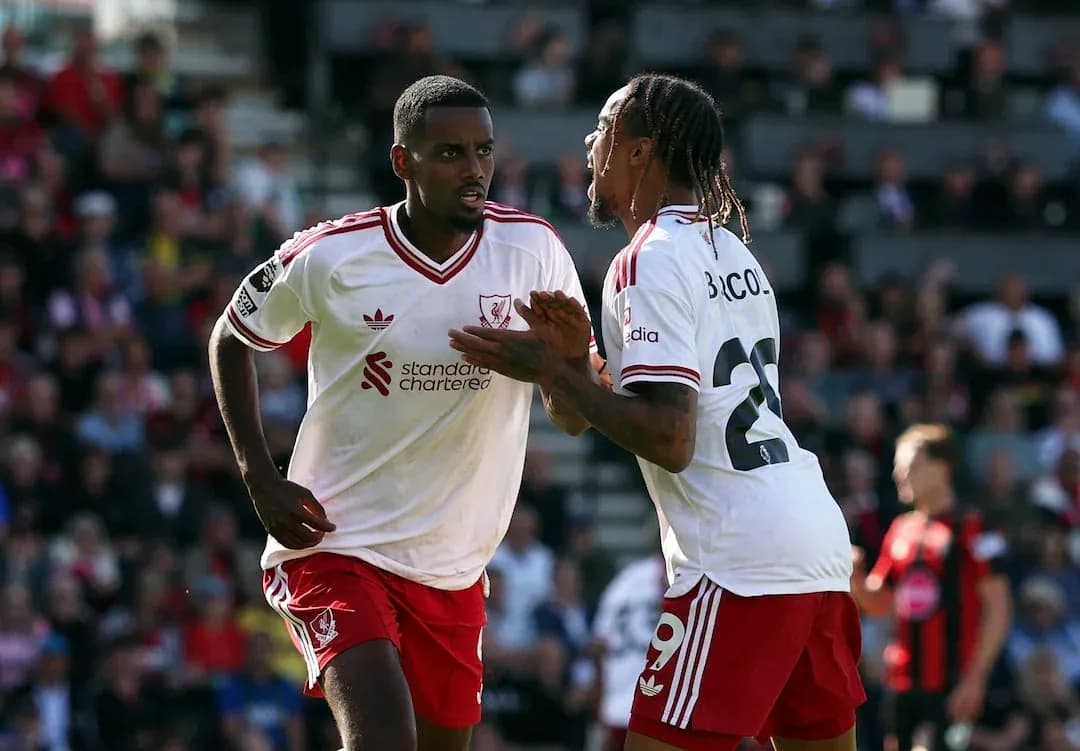
Arbeloa’s starting eleven was built around a narrow spine and fluid attacking band. Bernd Leno in goal sat behind a back four of Castagne, Dario Affengruber, Calvin Bassey and Antonee Robinson. Berge and Charles formed a screen, while Oscar Bobb, Joshua King and Alex Iwobi floated behind Gonzalo García. It was a side designed to spring forward in waves rather than sustain long spells of possession.
Carrick mirrored the structure but with more individual firepower. Senne Lammens started in goal, protected by Diogo Dalot, Maguire, Martínez and Luke Shaw. Mainoo and Tielemans were tasked with building play, feeding a line of Bryan Mbeumo, Bruno Fernandes and Rashford, with Cunha as the lone striker. On the bench, J. Zirkzee and Mason Mount offered alternative attacking profiles, while C. Baleba and Andrey Santos gave options to stiffen midfield if United needed more control.
The disciplinary backdrop added another layer of tension. Fulham’s season data showed a clear pattern: 50.00% of their yellow cards arrived in the 76–90 minute window, with another 25.00% between 31–45 and 25.00% between 46–60. This late-game surge in bookings hinted at a side that tired, chased games and made increasingly desperate interventions as time ebbed away.
United’s yellows were also weighted towards the closing stages, with 50.00% of their cautions coming from 76–90 and an additional 16.67% between 91–105. In other words, both teams tended to fray late, a warning that the final quarter-hour at Craven Cottage would likely be a tangle of tactical fouls and contested transitions.
Within that context, certain individual battles stood out.
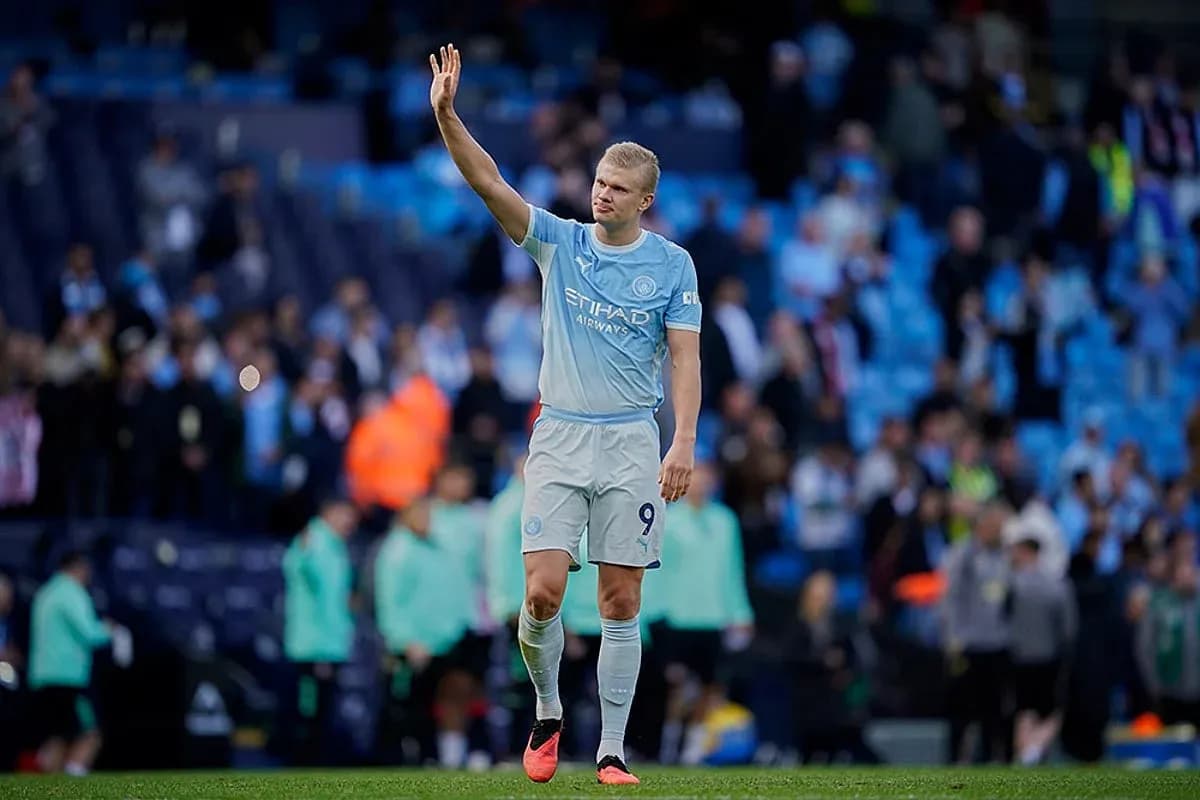
The “Hunter vs Shield” duel centred on Bruno Fernandes against a Fulham defence that had conceded 7 goals at home. Bruno arrived as one of the league’s most productive midfielders: in total 3 goals and 1 assist from 5 appearances, with 11 shots (5 on target) and 13 key passes. He had already converted 1 penalty in total this season, with no misses, reinforcing his status as United’s designated executioner from the spot.
To contain him, Fulham leaned heavily on their back line and the work of Berge and Charles. Castagne, in particular, embodied their defensive grit. Across the season he had made 6 tackles, blocked 2 shots and produced 4 interceptions, while committing 9 fouls and collecting 2 yellow cards. His presence on the right was both an asset and a risk: aggressive enough to break up play, but walking a disciplinary tightrope.
In the “Engine Room” duel, Mainoo and Tielemans faced Berge and Charles. United’s pair needed to move the ball quickly through the thirds, especially given Fulham’s tendency to concede in flurries at home. Fulham’s midfield, by contrast, had to compress space, deny Bruno the half-turn and prevent Rashford from receiving early switches into space.
Wide areas promised to be decisive. Rashford and Mbeumo, cutting in from the flanks, were set to probe the gaps around Affengruber and Bassey, testing Fulham’s ability to defend the channels. On the other side, Iwobi and Bobb were tasked with isolating Dalot and Shaw, hoping to exploit the fact that United had yet to keep a clean sheet in total this campaign.
From a statistical prognosis standpoint, the numbers tilted slightly towards United’s attacking quality, but not decisively. Fulham’s total average of 1.0 goal scored and 1.6 conceded suggested that if they were to take anything, it would likely come from a narrow, attritional contest rather than a shoot-out. United’s total average of 1.6 goals for and 1.6 against hinted at a team that would both create and allow chances, particularly away where they conceded 1.7 on average.
With neither side boasting defensive serenity and both prone to late bookings, the game at Craven Cottage was always likely to tighten rather than open as it wore on. Fulham’s survival instincts, United’s reliance on Bruno Fernandes as the creative and scoring fulcrum, and the structural absences on both sides combined to set the stage for a finely poised, tactically tense encounter rather than a procession in either direction.