
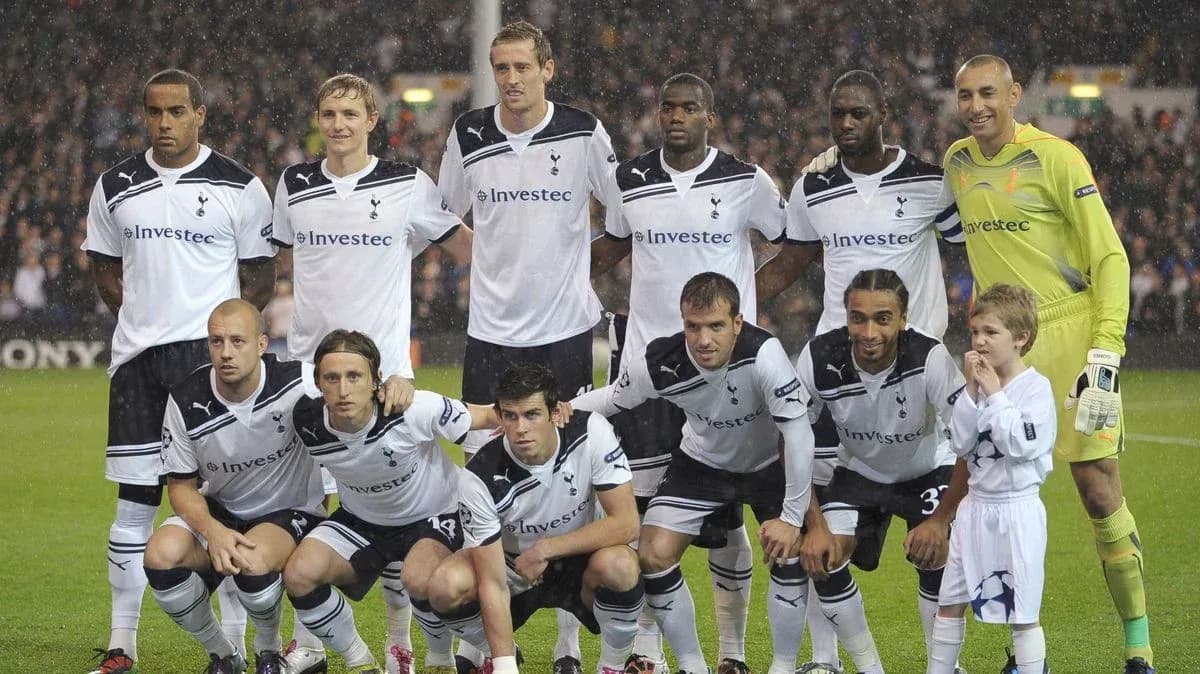
Luka Modric's Transfer Standoff: Spurs' Lasting Memory
Tottenham supporters knew, deep down, that they were watching a player too good to keep forever. Luka Modric was that obvious. The slight Croatian with the effortless glide and razor-sharp passing had outgrown White Hart Lane long before the final act of his Spurs career turned sour.
The way he chose to leave still stings.
A Modern Great, A Messy Goodbye
By 2012, Modric was 26 and at full tilt. He had just shone for Croatia at Euro 2012, dictating games on the biggest stage, and he had already spent several seasons as the heartbeat of a Spurs side trying to crash the Premier League’s elite party.
Real Madrid were watching. So was Jose Mourinho. For them, Modric wasn’t a luxury. He was a solution.
Tottenham had already survived one scare. A year earlier, Chelsea tried to pry him away, and Modric pushed hard for that move. Spurs dug in. He stayed, played, and remained central to everything good about the team.
The second time, he went further.
When Spurs boarded a flight for their pre-season tour of the United States in 2012, Modric simply didn’t get on the plane. It was a clear message: let me go. Tottenham fined him two weeks’ wages, stood firm in public and tried to keep their playmaker. Behind the scenes, the tug of war dragged on.
Only at the end of August did the inevitable happen. Modric finally sealed a £33 million move to the Bernabeu. A modern Spurs icon was gone, and the club had been forced into a corner.
Regret on Both Sides
Andre Villas-Boas, then in charge at Tottenham, could only watch one of his best players slip away. He later admitted his regret over the whole episode, noting that Modric had apologised for how it unfolded. The apology didn’t change the outcome. The deal went through, and the midfielder left with his reputation at Spurs split down the middle.
Years later, Modric himself would look back on that summer with a twinge of remorse. Speaking in 2018, he called that chapter one of his biggest regrets, not in terms of the move itself, but the manner of it.
He also pinpointed another frustration: “My one regret is that I didn’t win a trophy with Tottenham, despite us being a strong team who played good, attractive football. I’m sorry for the way I left. I wish we had parted in a nicer way. I hope fans understand that I followed my dreams.”
Some do. Some never will.
For a section of the fanbase, refusing to travel on that pre-season tour remains unforgivable. For others, the calculation is simple: a world-class player, at his peak, given the chance to join Real Madrid. How many say no to that?
The Madrid Legacy Spurs Could Only Watch
No one can argue with what came next. Modric didn’t just join Real Madrid; he helped define an era. Over 13 years in Spain, he collected six Champions League titles, four La Liga crowns, five FIFA Club World Cups and two Copas del Rey. He became the metronome of a side that dominated Europe, the quiet genius in a team of galácticos.
From a Tottenham perspective, there is admiration, pride even, in seeing a former player reach that level. There is also a nagging question: did they get enough?
Modric still had four years remaining on a six-year contract when he left. A year later, Gareth Bale moved from Spurs to Madrid for £89 million, reuniting with his old team-mate in Spain and underlining how the market was shifting. In hindsight, £33 million for a player of Modric’s calibre and contract status feels light, especially given what he went on to achieve.
Longevity in Milan, Lessons in London
Now at AC Milan, Modric refuses to fade quietly. At 40, with his 41st birthday looming next month, he has signed a one-year extension at San Siro, extending a career that has already stretched well beyond normal limits. The legs may not cover the same ground, but the brain still sees the game seconds before everyone else.
Back in north London, Tottenham operate in a different financial world to the one Modric left. This summer alone, they have spent close to £250 million on new signings, flexing their muscle and applying pressure on other clubs in the market rather than being the ones under siege.
Yet the Modric saga still hangs there as a cautionary tale. A reminder of what happens when a truly elite player feels his ambitions have outgrown the project. When the club’s trajectory and the player’s dreams no longer align, power shifts, and difficult decisions follow.
Spurs can’t rewrite 2012. They can, though, learn from it. Because the next time a world-class talent in a long contract starts looking at the departure gate, they will need a better plan than watching him skip a flight and force their hand all over again.



