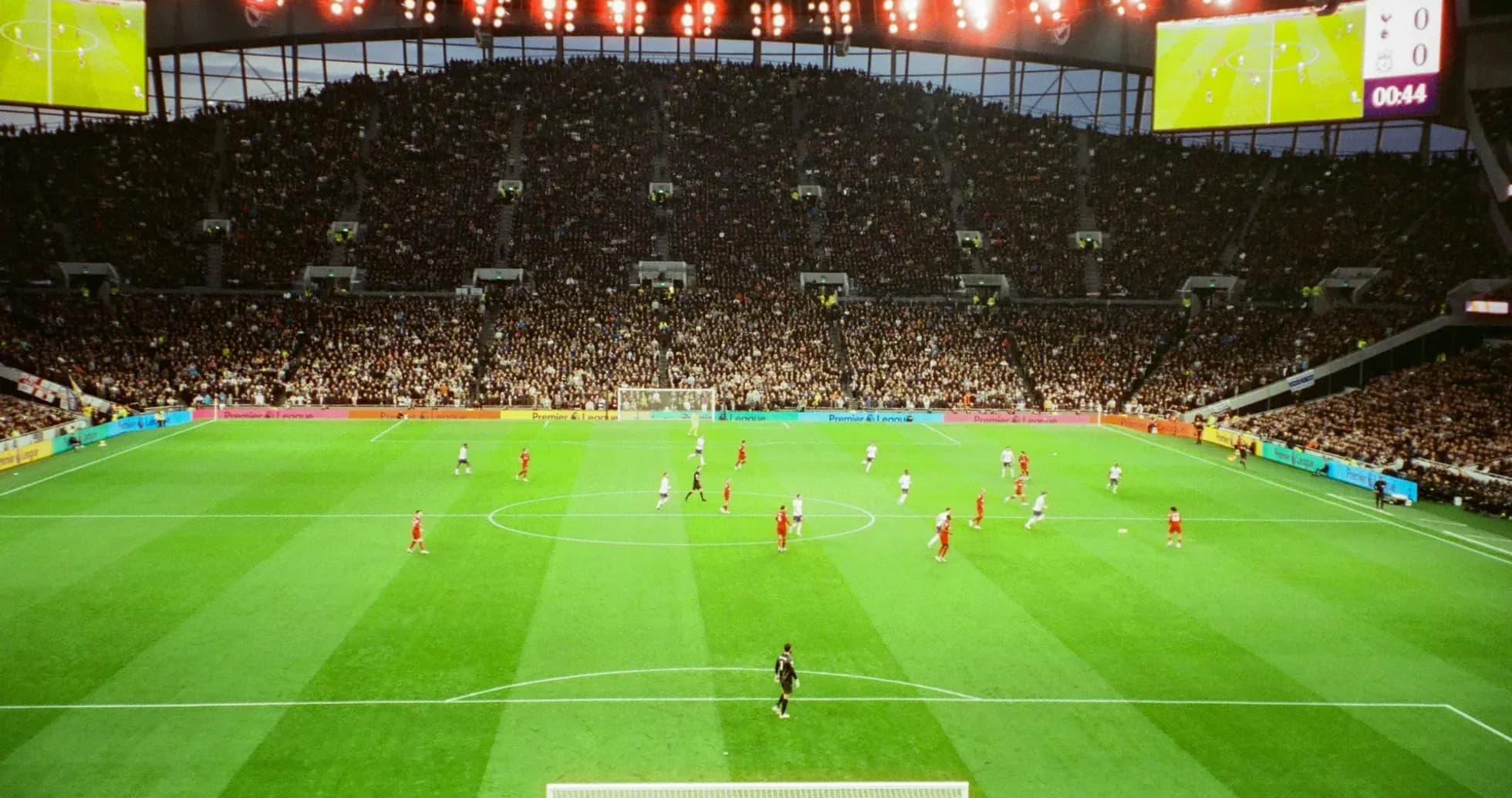
Liverpool vs West Ham: Tactical Analysis of a 5-2 Victory
This was a match where control of the ball did not equal control of the game. West Ham edged possession with 51% to Liverpool’s 49%, reflecting Nuno Espirito Santo’s preference to circulate through a 4-5-1 and build with 422 total passes. Yet Liverpool’s 4-2-3-1 controlled the space and the tempo, especially in transition. Despite having slightly less of the ball, Liverpool turned their phases into more threatening territory, evidenced by 13 shots inside the box versus West Ham’s 8. The 3-0 half-time scoreline (ultimately 5-2) underlined how Arne Slot’s side used quick, vertical attacks rather than long sterile spells of possession.
Offensive Efficiency
Liverpool’s offensive plan was based on volume and territory rather than speculative shooting. Their 18 total shots to West Ham’s 11, combined with 10 corners against 5, show sustained pressure in the final third. Crucially, Liverpool generated 7 shots on target from those 18 attempts, indicating a steady stream of clear looks rather than hopeful efforts. The distribution of shots (13 inside the box, 5 from range) backs up a strategy of penetrating the penalty area through combinations between the front four.
Interestingly, expected goals were almost identical: 1.84 xG for Liverpool and 1.86 for West Ham. The 5-2 scoreline therefore reflects ruthless finishing rather than chance volume alone. Both sides massively outperformed xG, but Liverpool did so from a more structured attacking platform, using their territorial dominance (10 corners, 7 blocked shots indicating repeated attacks) to force West Ham deeper. West Ham’s 4 shots on target from 11 attempts, plus 3 shots from outside the box, suggest more selective but less frequent incursions, often relying on quick breaks once they managed to bypass Liverpool’s first press. Ultimately, Liverpool’s ability to repeatedly enter the box and create crowded, second-ball situations turned near-parity in xG into a decisive scoreboard advantage.
Defensive Discipline & Intensity
Out of possession, Liverpool balanced aggression with control. They committed 12 fouls to West Ham’s 11, a moderate total that points to competitive but not overly disruptive pressing. Both sides received 2 yellow cards, reinforcing the idea of a physical yet largely disciplined contest rather than a stop-start battle. Defensively, Liverpool’s back line and midfield protected the box effectively, getting bodies in front of West Ham’s efforts to block 3 of their shots. Conversely, West Ham's defenders were forced into desperate measures, throwing themselves in the way to block 7 of Liverpool's attempts.
Goalkeeping was not the central story. Liverpool’s keeper made 3 saves, West Ham’s 2, modest numbers in a seven-goal game and consistent with both teams heavily overperforming their xG. Advanced metrics show that both keepers conceded more goals than post-shot models expected, indicating that finishing quality and defensive lapses, rather than heroic shot-stopping, defined the match. West Ham’s compact 4-5-1 was repeatedly stretched by Liverpool’s rotations, while Liverpool’s block, though occasionally exposed, generally limited West Ham’s shot volume.
Conclusion
Liverpool’s winning formula combined territorial pressure and box occupation with ruthless finishing. Even with only 49% possession and near-identical xG, their 18 shots, 10 corners, and 13 efforts in the area turned marginal statistical edges into a 5-2 victory, demonstrating that their efficiency and spatial control trumped West Ham’s slight possession advantage.