Liverpool's Strategic Investment: A New Era in Football Finance
Liverpool, one of world football’s great old institutions, is once again at the centre of a modern game power play – this time involving steel money, tech money, and a valuation that underlines just how big a beast the club has become.
A consortium led by former Queens Park Rangers co-owner Amit Bhatia, and backed by the family of steel magnate Lakshmi Mittal, is in advanced talks to buy up to a 30 per cent stake in Liverpool for around £1.35bn, according to the Daily Mail. That figure alone stops you in your tracks. It places Liverpool’s overall value at just over £4bn, right in the territory reserved for the sport’s true global superclubs.
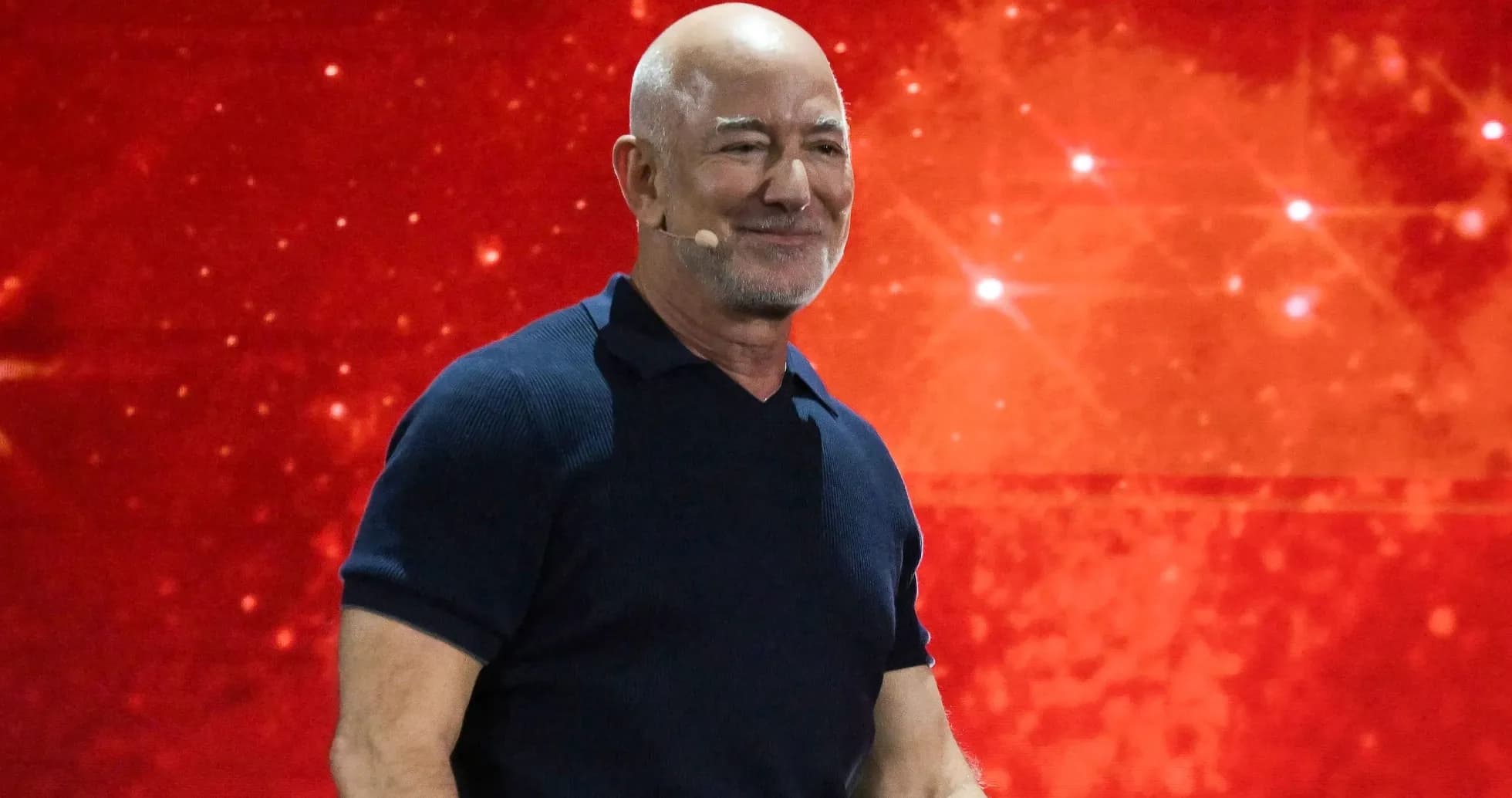
And there is a potential extra jolt of star power. Jeff Bezos, the Amazon founder with a personal fortune estimated at £192bn ($257bn), is reportedly interested in joining the group to reinforce the bid. The approach has been acknowledged by Fenway Sports Group, Liverpool’s owners, who issued a pointedly worded confirmation:
“An investment consortium led, managed, and represented by Amit Bhatia has expressed interest in making a strategic minority investment in Liverpool Football Club.”
Strategic is the key word. This is not a sale, not a handover of power, but a calculated reshaping of it.
FSG cash in – without letting go
Football finance expert Kieran Maguire views the proposed deal as exactly that: a sharp piece of business by FSG that locks in Liverpool’s long-term financial security while keeping the keys to the boardroom firmly in Boston.
“As far as the potential Liverpool investment is concerned, it looks like it’s going to be up to 30 per cent or £1.3bn,” Maguire told the Daily Mail. “That values the club at just over £4bn, which is broadly in line with expectations.
“From FSG’s point of view, it’s a super smart piece of business. Yes, they have sold part of the club before but this will ensure they still own a controlling stake of around 60 per cent.”
That line matters. Around 60 per cent keeps FSG in charge of the big calls: managers, sporting directors, transfer strategy, the overall direction of the club. The day-to-day football decisions that shape Liverpool’s seasons would still flow from the same ownership group that hired Jürgen Klopp, rebuilt Anfield, and oversaw the club’s rise back to the summit of English and European football.
There is another crucial detail. The money from any 30 per cent sale would go to FSG, not directly into Liverpool’s bank account.
“So in terms of the long-term strategy of the club and the individual transfer windows and recruitment issues, it is still FSG’s decisions that are being made,” Maguire explained. “If they are selling 30 per cent, that money goes to FSG not Liverpool, so there is no physical impact upon the club’s coffers.”
That will raise familiar questions among supporters about how, and when, the club itself benefits. But the presence of Mittal and potentially Bezos hints at a different type of advantage.
Steel, space and interest-free muscle
This is where the profile of the investors changes the conversation. You are not just talking about wealthy backers; you are talking about people with the ability to move markets.
Maguire outlined how that kind of financial firepower could reshape Liverpool’s options behind the scenes.
“If the club is looking to borrow money at a future date for whatever circumstances and you are owned by Mittal’s son-in-law and Bezos, they will be in a position to lend money on an interest-free basis which can only help in terms of cash flow.”
Interest-free borrowing from owners of that scale would give Liverpool a safety net and a springboard: the ability to fund infrastructure, manage downturns, or bridge gaps in revenue without handing over millions to banks. In an era of strict financial regulations and razor-thin margins at the top, that kind of flexibility can be worth as much as any single transfer fee.
Then comes the commercial angle. Bezos does not just bring a chequebook; he brings Amazon.
“Also, having a potential partner of the magnitude of Bezos does mean there is the opportunity for synergies,” Maguire added. “If Amazon Prime want to increase their global influence, then one way could be to do a partnership with Liverpool, whether in terms of content or sponsorship.
“Liverpool goes out to the world and Amazon goes out to the world as well. As well out of the world, maybe! He is flying people into space after all.”
That last line carries a joke, but the point lands. Liverpool are already a global club, with a fanbase stretching from Merseyside to Mumbai and Miami. Amazon is a global platform, hungry for content, reach and loyalty. A deep commercial tie-up between the two would not just be another sponsor on the shirt sleeve; it could redefine how Liverpool tell their story, how they sell it, and how often they appear on screens in emerging markets.
For FSG, the equation is clear. Sell a minority stake, bank more than a billion pounds, keep control, and potentially plug Liverpool into a network of steel, tech and media power that most rivals can only envy.
For Liverpool, the question is sharper. In a landscape where state-backed clubs and billionaire-backed projects are rewriting the rules, does this move provide the extra gear they need to keep pace at the very top – or does it mark the start of a new, even more ruthless race for global football’s biggest prizes?