Lionel Messi's Heartfelt Reflection After World Cup Defeat
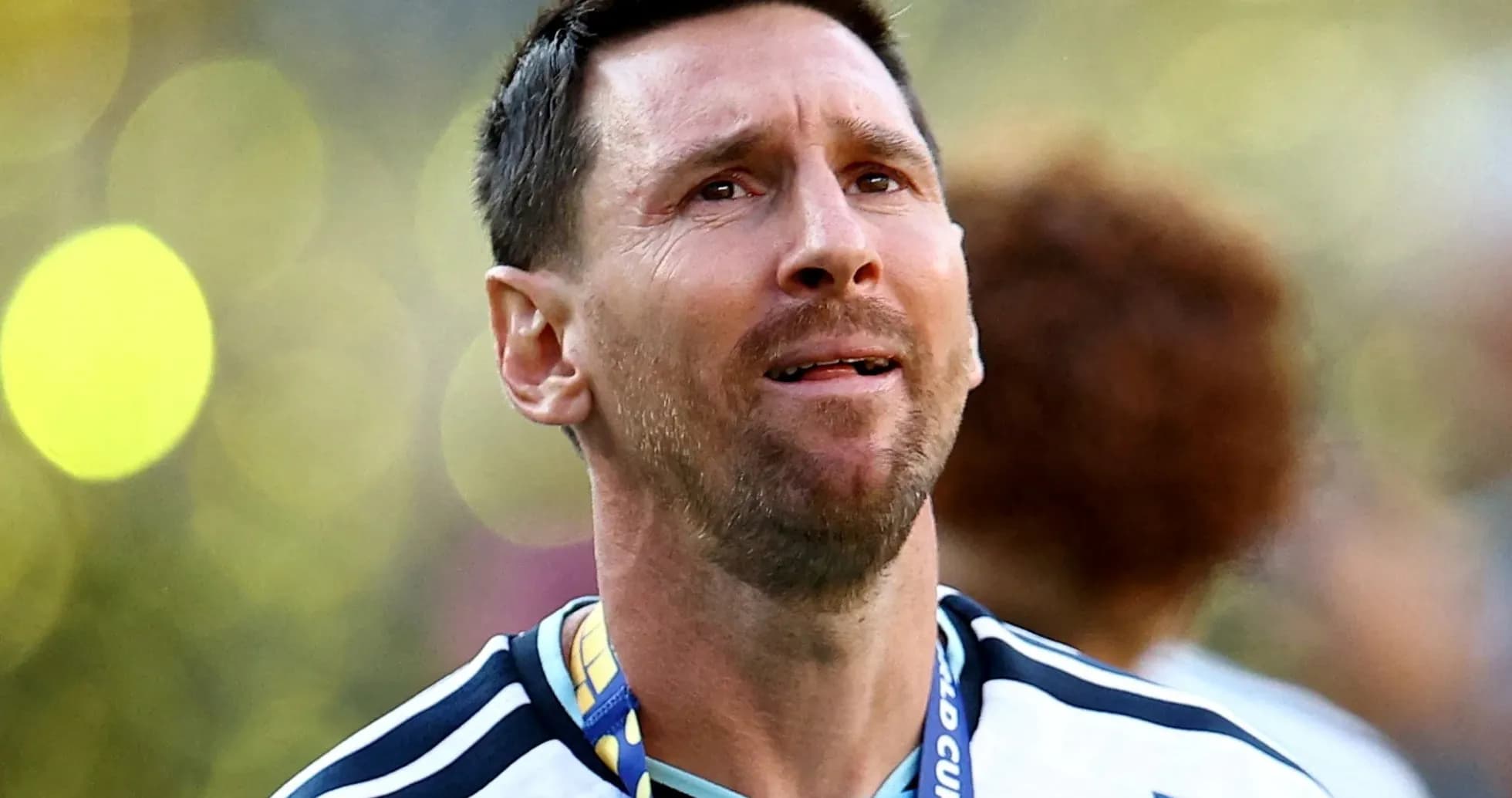
Lionel Messi stood alone on the MetLife Stadium turf, silver medal around his neck, eyes wet and fixed on nothing in particular. The Argentina captain had just walked off a World Cup final pitch as a loser for the first time since 2014, and this one felt heavier. This one might be the last.
Spain’s 1-0 win over Argentina in East Rutherford on Sunday denied Messi a second straight world title, slamming the door on the storybook sequel many had been waiting for. At 39, in what looked and felt like a farewell on the biggest stage, he lingered, then disappeared down the tunnel with the kind of slow, reluctant walk that says more than any announcement ever could.
He did not confirm anything. Not retirement, not a final goodbye. But on Monday evening, he opened a window into his state of mind.
“The pain is immense, and this wound will take time to heal,” Messi wrote in Spanish on Instagram, alongside a photo of him staring at that silver medal. No defiance. No bravado. Just a raw admission from a player who has spent two decades making the impossible look routine.
He chose, even in defeat, to look back as much as he looked down.
“But I also hold onto all the good things… The matches we turned around by giving it our all – moments that will remain in our memories forever – and the support of an entire country which, combined with this group’s hard work and effort, brought us back among the world’s elite once again.
“It is hard to fully appreciate our achievement right now, but this group reached two consecutive World Cup finals.”
That line matters. Two straight finals. One won in unforgettable fashion in Qatar in 2022, one lost in brutal fashion in North America in 2026.
In Qatar, Argentina and France traded blows in a 3-3 epic before Messi finally climbed the last mountain of his career, winning on penalties and lifting the trophy that had haunted him for years. It was the crowning moment, the missing piece, the night the debate shifted from “if” to “where” he sits in football’s pantheon.
Four years later, Argentina arrived as defending champions and played like it. They were sharp, ruthless, and hardened by scars. They clawed back past England in a dramatic semifinal, showing the same stubborn streak that had carried them through Qatar. The old guard and the new generation seemed perfectly aligned for one more night of history.
Then they ran into Spain.
Luis de la Fuente’s side squeezed the life out of the final. Argentina, a team that usually finds a way to create chaos, found nothing. Not a shot on goal. The Spanish defence closed every angle, choked every passing lane, and turned a team built on emotion and rhythm into one that looked short of ideas and oxygen.
The pressure that Argentina usually exerts on others came back at them. This time, there was no late surge, no Messi moment from 25 yards, no penalty shootout redemption. Just the cold clarity of a 1-0 defeat and the sight of the captain staring into the stands, trying to process it all.
He will be 43 when the 2030 World Cup kicks off in Spain, Portugal and Morocco. The numbers alone tell their own story. Messi didn’t say the word “retire,” but the stage, the tears, the tone of his message – everything hinted at a man who knows the World Cup chapter is almost certainly closed.
If this was the end, he did not leave quietly in the record books.
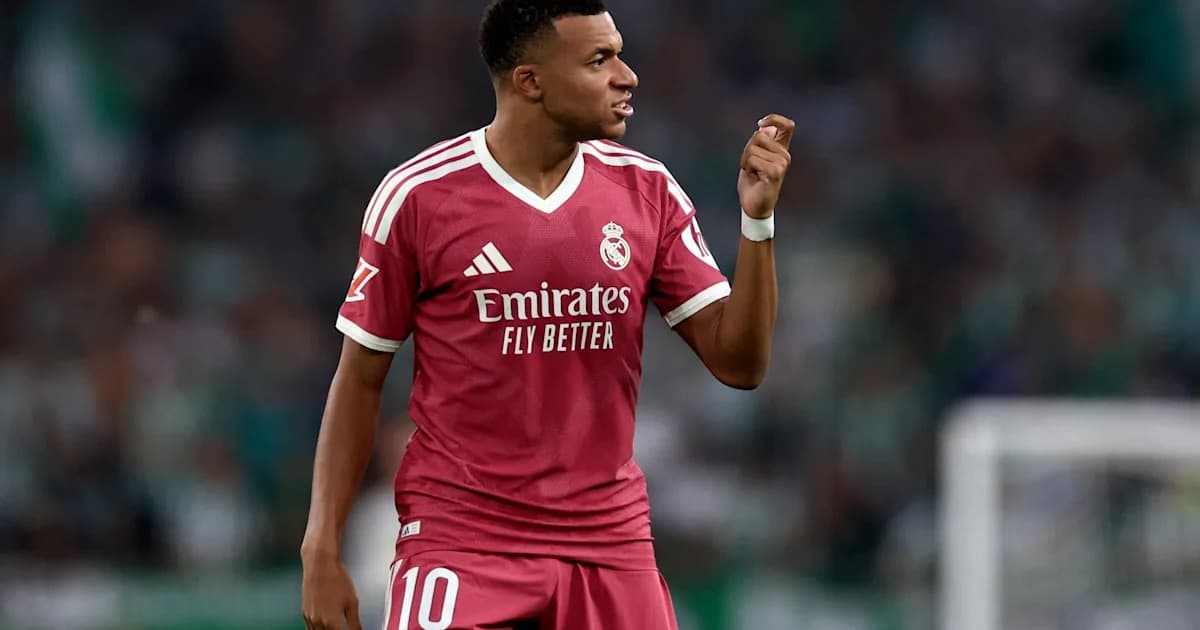
Early in the tournament, Messi broke Miroslav Klose’s all-time World Cup scoring record of 16 goals. He pushed it out to 21 by the time Argentina reached the final. Even that, astonishingly, was not enough to stand alone. Kylian Mbappé hunted him down and then passed him, finishing on 22.
The French forward also snatched the Golden Boot, scoring 10 times to Messi’s eight. The baton, numerically at least, has been passed. The duel that defined the last two World Cups ended with Messi holding the memories and Mbappé holding the scoring records.
Messi’s focus, though, stayed on his own people.
“Thank you from the bottom of my heart for every greeting and message,” he wrote. “Once again, we managed to unite as a country and stand together, sharing the immense pride of being Argentine.
“I also want to congratulate Spain on winning the championship.”
No shots on target, no trophy, no lap of honour with gold around his neck this time. Yet he still reached for unity, for perspective, for a way to frame this run as something more than a lost final.
The toll of it all is real. ESPN reported on Monday that Messi and his Argentina and Inter Miami teammate Rodrigo De Paul will sit out Inter Miami’s next two regular-season matches and skip the MLS All-Star Game as they rest and recover from the World Cup.
The club game will resume soon enough. The travel, the noise, the cameras – all of it will follow him back to Miami. But nothing will quite match that night in New Jersey, when a 39-year-old legend stood on a World Cup pitch, silver medal in hand, caught between the sting of what slipped away and the weight of everything he has already given.
If this was his last World Cup, it did not end with a coronation. It ended with a question: how do you walk away from a stage that has defined you, when you still look capable of bending it to your will?