Lexington Edges Detroit City in Tense USL League One Cup Shootout
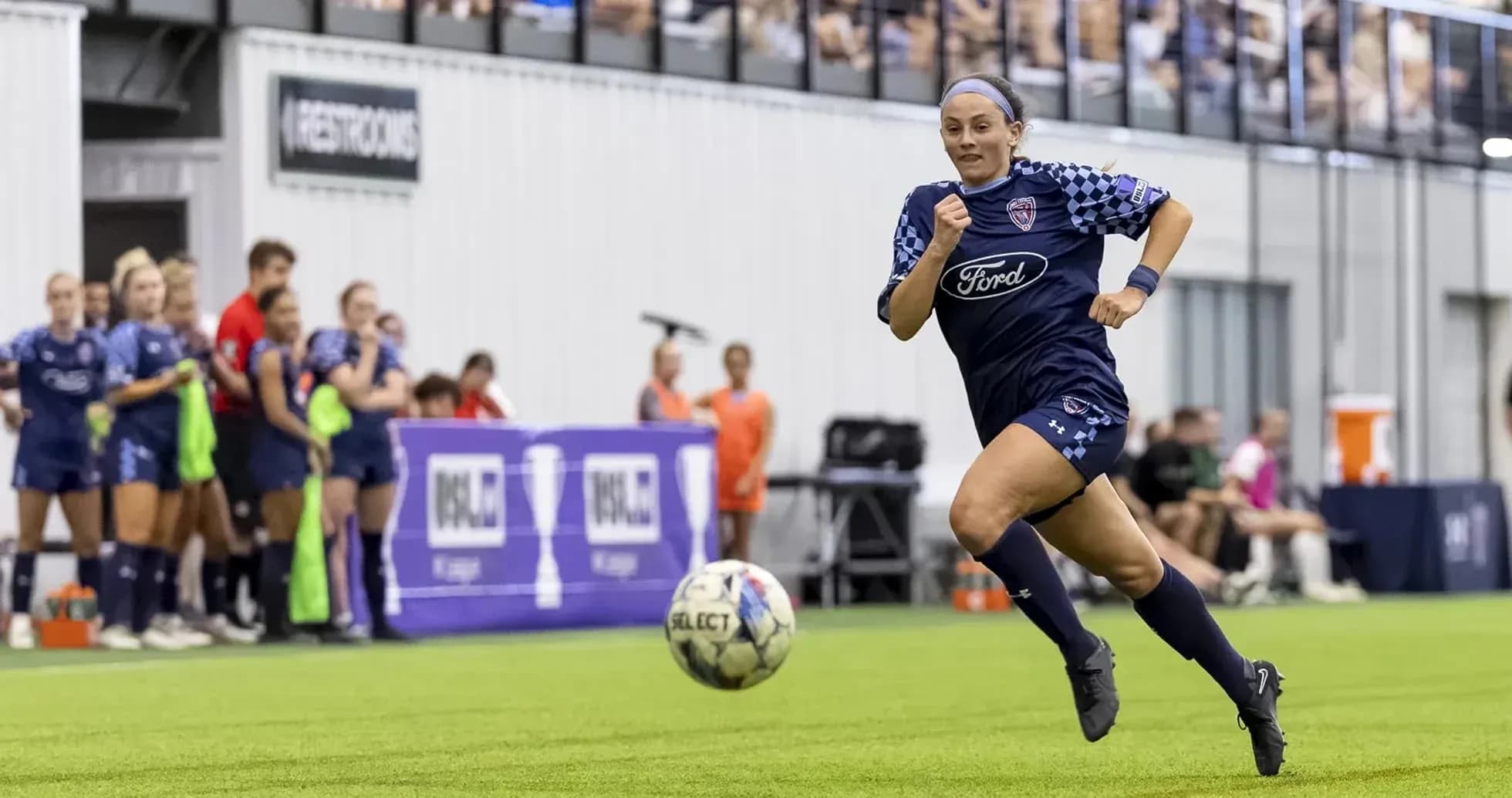
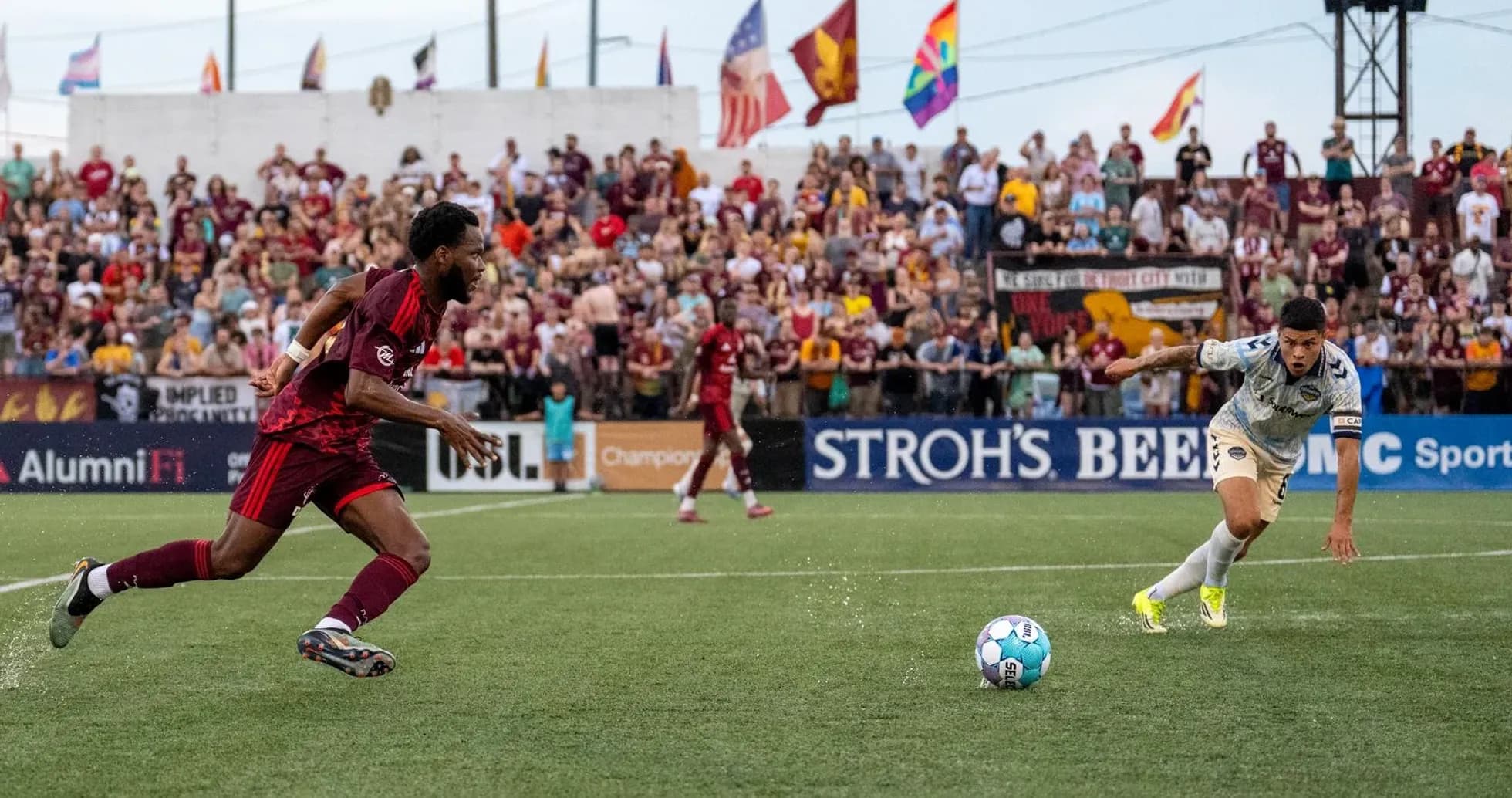
Under the lights at Keyworth Stadium, Detroit City and Lexington played out a tense USL League One Cup Group Stage tie that refused to resolve itself in 120 minutes. The hosts led 1–0 at half-time and were pegged back to 1–1 by full-time, with extra time failing to separate them before Lexington held their nerve from the spot, winning the shootout 3–1. Following this result, the group narrative hardens: Lexington, already carrying strong early momentum, underline their status as one of the group’s sharpest attacking sides, while Detroit City’s cup campaign continues to be defined by narrow margins and defensive strain.
Heading into this game, Detroit City sat 5th in Group 4 with 4 points and a goal difference of -1, built on 3 goals for and 4 against overall. Their cup DNA so far has been one of balance on the road and vulnerability at home: in total this campaign they had scored 2 goals and conceded 2, but at home they had managed just 1 goal while allowing 2, losing their only previous home fixture 1–2. Away, they had been tighter, winning 1–0.
Lexington arrived with a contrasting profile. Heading into this game they were 3rd in Group 4 with 5 points and a positive goal difference of 4, having scored 8 and conceded 4 overall. Their attack had been explosive: at home they averaged 4.0 goals for and 2.0 against, away they still produced 2.0 goals for and 1.0 against, for a total attacking average of 3.0 goals per match. The table showed a side on a two-match winning streak, with no losses in the competition and no clean sheets, but a belief that they could simply outscore opponents.
Tactical voids and disciplinary undercurrents
There was no explicit injury or suspension list, so both coaches, Danny Dichio for Detroit City and Masaki Hemmi for Lexington, approached this as close to full strength as the data suggests. The tactical voids, then, were more structural than personnel-based.
For Detroit City, the issue has been defensive volatility over short periods. Their season card profile reveals a side that tends to lose control in the middle third of games: 50.00% of their yellow cards come between 46–60 minutes, with another 16.67% in each of the 31–45, 61–75, and 76–90 ranges. That distribution hints at a team that increasingly resorts to reactive defending as matches open up, particularly just after half-time, when pressing intensity and tactical cohesion are tested.
Lexington’s disciplinary map is broader but equally telling. They spread their yellow cards across the match, with 14.29% in each of the 0–15, 16–30, and 76–90 ranges, but a combined 57.14% in the 31–45 and 46–60 windows (28.57% in each). That suggests a side that ramps up aggression around the break, pressing higher and fouling more as they attempt to tilt momentum before and just after half-time.
In a knockout-style conclusion via penalties, that disciplinary pattern matters. Over 120 minutes, fatigue and card risk shape substitutions and pressing choices. Detroit’s tendency to collect cards in the second half can force them to sit deeper late on, while Lexington’s mid-game spikes in aggression risk giving away dangerous free-kicks but also speak to a team psychologically primed to seize those transitional phases.
Key matchups: Hunter vs Shield, and the engine room
The “Hunter vs Shield” duel in this tie was conceptual rather than built around a single star name. Lexington’s attack, which had produced 6 goals in total this campaign before this fixture (4 at home, 2 away), went up against a Detroit City defence that had conceded 2 goals overall heading in, with a stark split: 2.0 goals against at home on average, 0.0 away.
That meant Detroit’s back line of C. Montgomery and D. Amoo-Mensah, flanked by H. Yamazaki and T. Silva, had to transform their home defensive profile. In front of them, R. Williams and K. Hernandez-Foster were tasked with screening Lexington’s forward surges. On the other side, Lexington’s attacking structure, featuring Nick Firmino, M. Epps, A. Midence and T. Scott, was designed to stress that Detroit block horizontally and vertically, especially in transitions.
In the engine room, the contrast was sharp. Detroit’s creative and connective responsibilities fell heavily on Rafa Mentzingen and A. Dalou, operating between the lines to link A. Diouf and D. Smith with the double pivot. Their job was to carry Detroit up the pitch in phases, particularly given that in total this campaign Detroit had failed to keep control of matches at home, with only 1 goal scored and 2 conceded.
Lexington’s midfield triangle of A. Molloy, B. Ferri and Nick Firmino offered a more assertive template. With Lexington averaging 3.0 goals per match in total, their central unit is built to play forward early, find runners like M. Epps wide and T. Scott centrally, and keep the tempo high. Molloy and Ferri, in particular, are the enforcers and distributors, snapping into duels and recycling possession to sustain pressure.
The full-back corridors were another decisive battleground. For Detroit, K. Hernandez-Foster’s ability to step into midfield and combine with Rafa Mentzingen offered a route to break Lexington’s press. For Lexington, J. Hafferty and X. Zengue had to balance overlapping ambition with the need to contain D. Smith’s direct running and Diouf’s movement off the shoulder.
Statistical prognosis and what the shootout tells us
From a statistical standpoint, this was always likely to be a contest of Lexington’s attacking volume against Detroit’s desire to keep things tight and drag the game into fine margins. With Lexington having scored 4 at home and 2 away heading into this match, and yet keeping zero clean sheets in total, the expectation was a game where chances would appear at both ends, but with Lexington more comfortable in a stretched encounter.
Detroit’s overall averages of 1.0 goals for and 1.0 against in total painted them as a side that lives on the edge of one-goal games. Their clean sheet away and lack of one at home hinted that, in front of their own fans, they might feel compelled to open up more, exposing that 2.0 goals-against home average.
Over 120 minutes, the 1–1 scoreline reflected Detroit’s capacity to disrupt Lexington’s rhythm without ever fully subduing it. The fact that neither side had taken nor missed a penalty in the competition prior to this tie (both teams’ penalty records stood at 0 taken, 0 scored, 0 missed in total) meant the shootout entered psychological rather than statistical territory. Lexington’s 3–1 success from the spot underlined their composure and perhaps the confidence that comes from an attacking side used to deciding games in the final third.
Following this result, the underlying story remains consistent: Lexington look like a high-variance, high-output attacking force whose defensive frailties are offset by belief in their forward power, while Detroit City continue to be defined by narrow margins, disciplinary spikes after the interval, and a home profile that has yet to match their away resilience.