Leicester City Up for Sale as King Power Era Ends
Leicester City’s owners have put the club on the market, with Thai-based King Power instructing US banking giant Citigroup to find a buyer as the most successful era in the Foxes’ history edges towards a close.
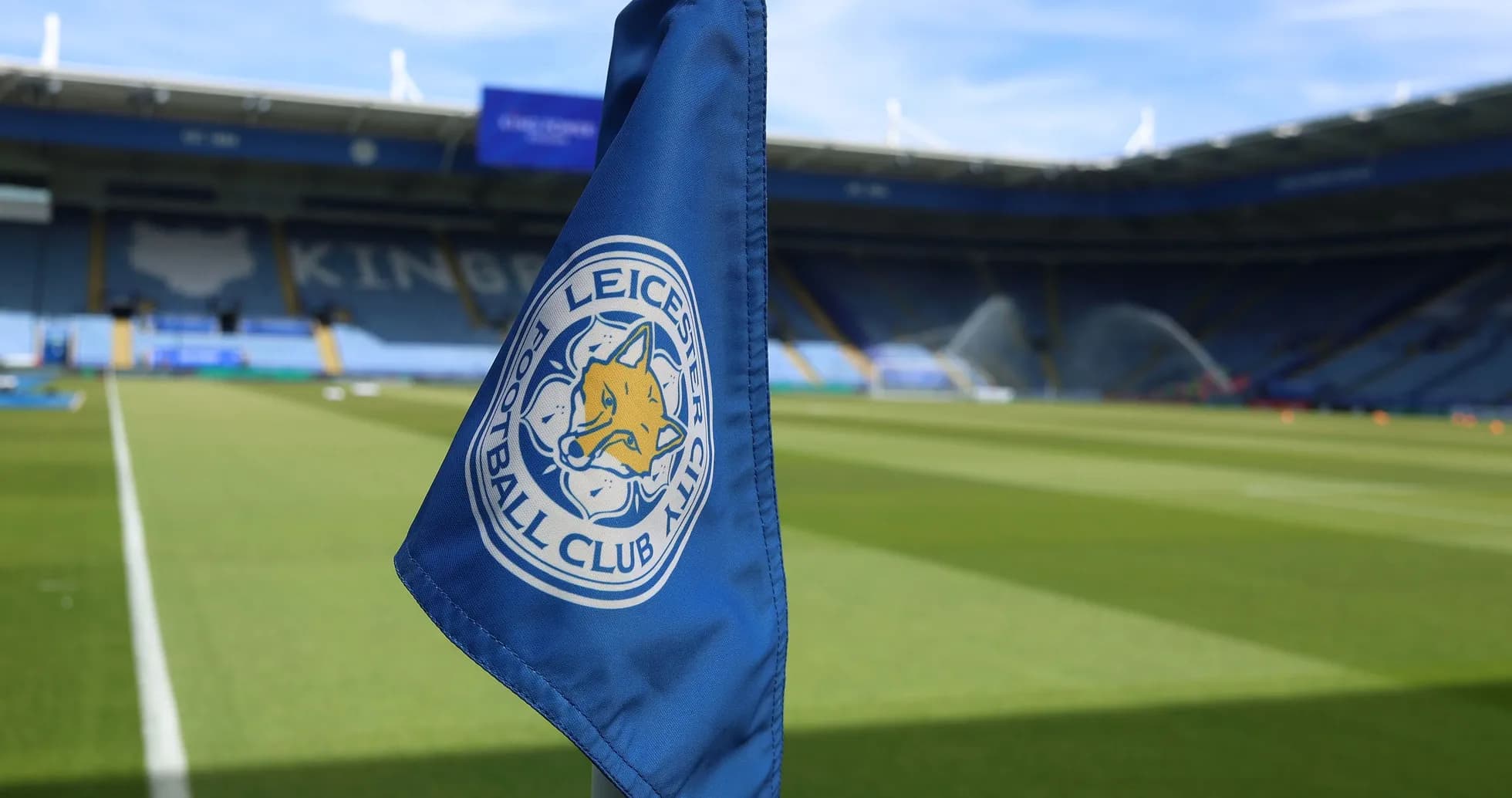
An eight-page sales brochure, titled “Project Lineup”, is already circulating among potential investors. It offers a full package: the men’s first team, the women’s side, the 32,000-seat King Power Stadium and the Seagrave training complex, which only opened in 2020 and is being pitched as one of the jewels of the deal.
The document leans heavily on Leicester’s bricks and mortar. The club’s physical assets are valued at more than £200 million, with the training ground alone carrying a £121 million price tag. When it comes to the playing squads, though, the numbers go quiet. There is no firm valuation, just Citigroup’s description of “a rare opportunity to acquire a club with an excellent track record of winning promotions to higher divisions.”
On paper, the future revenue story looks healthy enough. The brochure projects turnover of more than £97 million for the 2026 financial year. Strip away the headline, and the financial picture turns far darker.
Between 2023 and 2025, Leicester racked up losses of more than £180 million, a brutal stretch that has shredded the stability that once underpinned their rise. The 2025 accounts also revealed a heavy debt load, including £103.6 million in bank loans that now hang over any prospective owner.
King Power itself is under pressure. The duty-free business in Thailand, which fuelled Leicester’s climb under the late Vichai Srivaddhanaprabha, has been hit by global economic shifts. What used to be a powerful synergy between a booming retail empire and an ambitious English club has frayed, and the strain is now visible in the decision to sell.
The Srivaddhanaprabha family bought Leicester from Milan Mandaric for just £35 million in 2010. From there, they rewrote the club’s history: promotion, a miracle Premier League title, an FA Cup, Champions League nights under the lights. Leicester moved from Championship hopefuls to global symbols of football’s improbable dream.
That glow has dimmed. Back-to-back relegations have dragged the club from the top flight to League One, and the mood has turned sour. Months of frustration spilled into open anger, with protests outside the King Power Stadium after their latest drop into the third tier. The sale process arrives against that backdrop of distrust and disillusion.
Even so, “Project Lineup” makes sure to remind bidders who Leicester City have been in the modern era. The brochure proudly places the Foxes among an elite group: one of only five clubs to have lifted all three major English trophies – the Premier League, the FA Cup and the League Cup – since the year 2000.
Another pillar of the pitch is Leicester’s academy and recruitment machine. Citigroup talks up a “strong talent pipeline backed by leading scouting infrastructure, active transfer management and highly developed academy system consistently producing top players.” The point is not theoretical. The recent £10 million sale of academy graduate Jeremy Monga to Manchester City is held up as fresh proof that the system still works.
While the glossy brochure does the rounds in boardrooms and on video calls, reality bites hard on the ground. Leicester are preparing for League One football for only the second time in their history. The new campaign starts with a trip to Notts County on Saturday, a fixture that underlines just how far they have fallen – and how much is at stake for whoever dares to take them on next.