Real Madrid's Trophy Win: The Search for a Playmaker
Real Madrid lift a trophy. The alarm bells still ring.
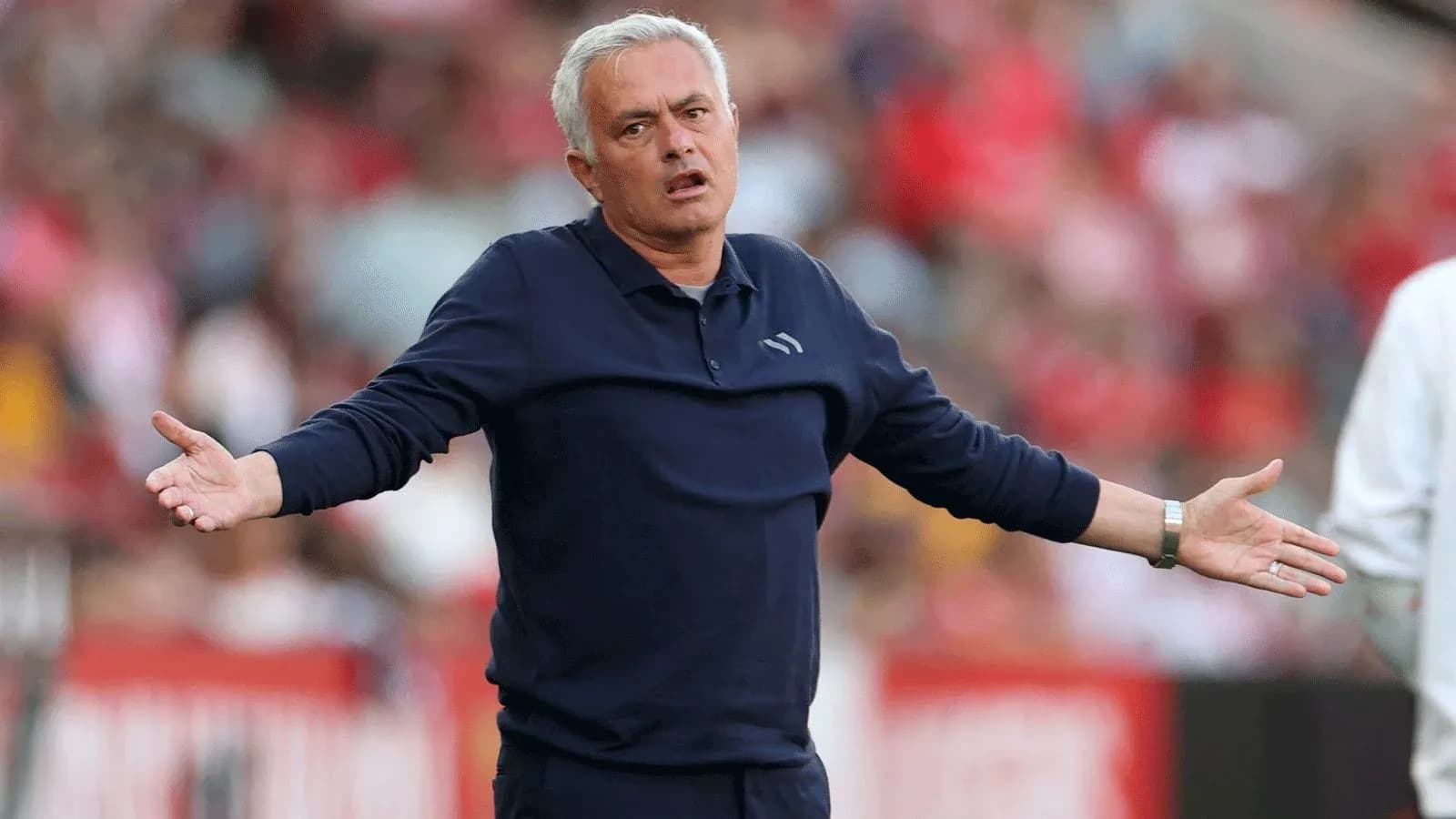
That was the mood after José Mourinho’s side edged past Deportivo La Coruña to win the Teresa Herrera Cup at Riazor – a victory that settled nothing in the debate over Madrid’s midfield.
On SER Deportivos, journalists Antonio Romero and Tomás Roncero stripped away the gloss of a summer title and went straight for the weak spot that has stalked Madrid’s pre-season: the lack of a true playmaker at the heart of the team.
Romero began with a caveat. Pre-season can deceive, and he reckoned this Madrid are operating at only “20 to 30%” of their potential. The warning came straight after.
“Real Madrid still feel they are missing a playmaker in midfield,” he insisted. A rock-solid defensive block, an attack that looks almost unstoppable, but a middle third that still invites questions. “They have a superb defensive team, and an almost unbeatable attacking force, but there is room for improvement in midfield.”
Roncero picked up the thread from a different angle: the transfer market. The failed pursuit of Rodri Hernández, he argued, cannot simply be brushed aside with a shrug.
“If you wanted to sign Rodri and you did not, that means you have to fill that void. If you do not end up signing him, you will feel this deficiency all season,” he warned. The club, he added, can no longer act as if this gap is a minor detail that will magically fix itself.
So where does the solution lie?
Romero pointed to what he called “the Mourinho method” – the idea that if any coach can build a winning machine that jumps the midfield line, it is the Portuguese. Mourinho has done it before: compress space, lean on a ferocious back line, unleash a ruthless front line.
But history keeps tapping Madrid on the shoulder.
“There is no need to look far to see that Real Madrid’s most successful team in history included Casemiro, Kroos and Modrić,” Romero reminded listeners. That trio offered balance, control and personality. Right now, Madrid are still searching for the modern version of that blend.
One name, for Romero, stands out as the man to make the sacrifice that such a role demands: Bernardo Silva.
“Based on what I saw in La Coruña and what I have seen from him at City and his experience, I think Bernardo Silva would accept this sacrifice,” he said. A hard-working, tactically sharp midfielder who can drop deeper, knit play, and still appear between the lines.
“He can be a soldier for Mourinho, and if he is asked to play alongside Tchouaméni and provide some support, he reminds me a little of Modrić,” Romero added. In that scenario, he ruled out other options already on the books – Camavinga, Arda Güler, Bellingham and Valverde – as the man for that specific, disciplined role.
The conversation then moved to the new faces already in the dressing room.
Romero urged patience with Yan Diomande, still not even 20 years old. The leap he faces is brutal. Real Madrid is not a club that allows a player to live off “five good minutes with Leganés,” as Romero put it. The shirt is heavier, the scrutiny harsher, the margin for error tiny. The message to the fans: give him time.
If Diomande is a project, one signing already has the Bernabéu dreaming.
“Diomande attracts a lot of attention, but the player everyone is eager to see running down the wing at the Bernabéu is Cucurella,” Romero said, switching the spotlight to the full-back. His energy, aggression and verticality have struck a chord with a fanbase that grew up on flying left-backs.
“He is the type of footballer you have to love. Since Marcelo and Roberto Carlos, we have had a feeling at the Bernabéu that we will be able to enjoy a vertical left-back.”
A friendly trophy is in the cabinet. A classic Mourinho spine is taking shape. But until Madrid solve that missing link between defence and attack, the question lingers over every pre-season smile: who will be the new Modrić in a team that refuses to wait?