LAFC II Edges St. Louis City II in Intense Shootout
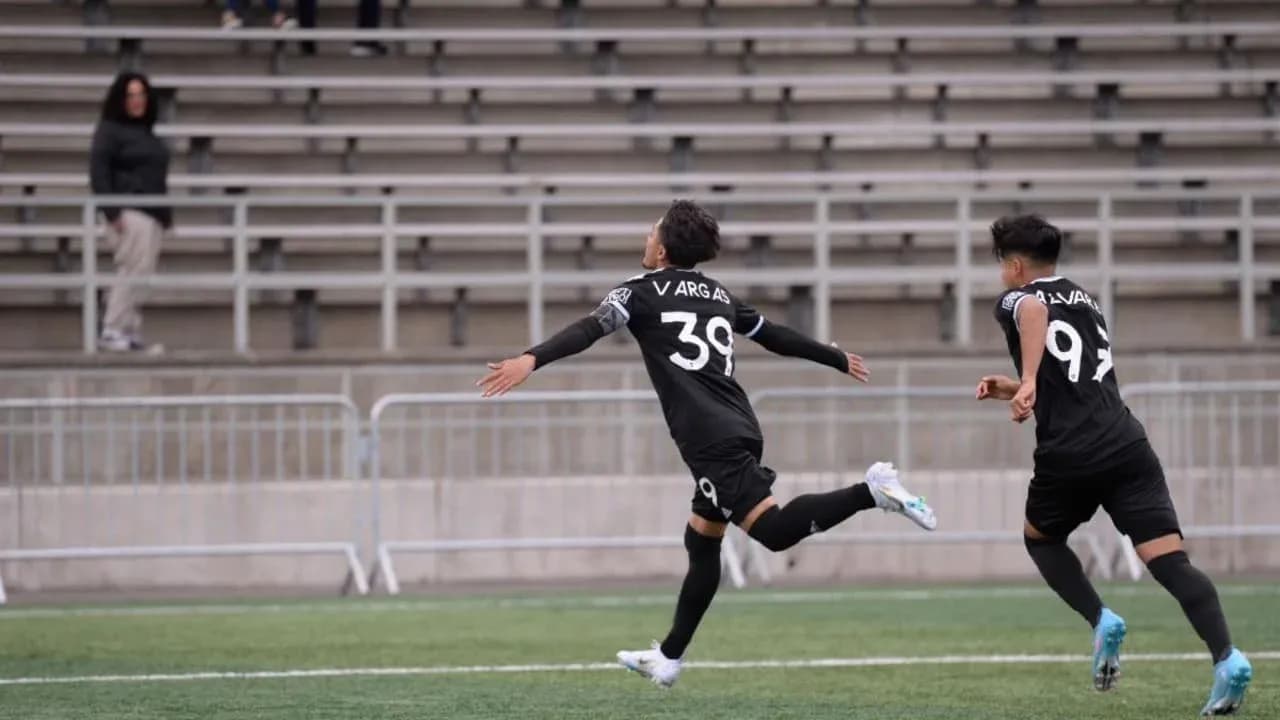
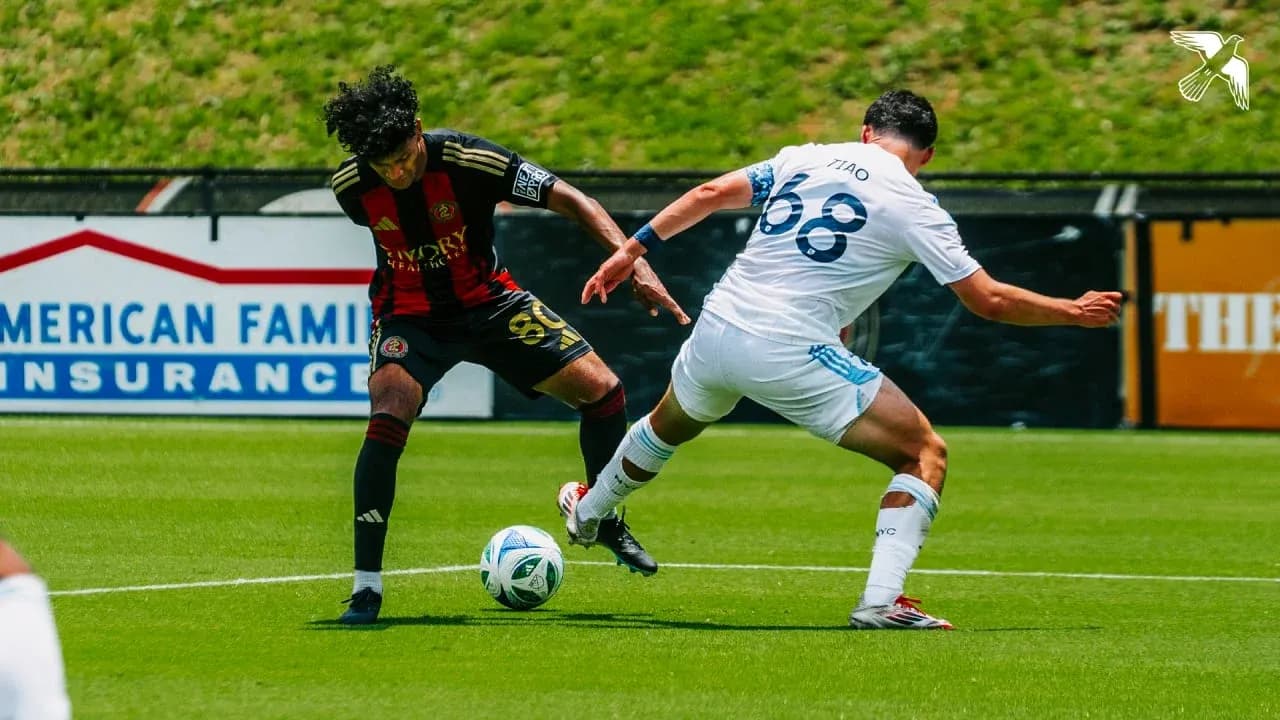
Under the lights of Titan Stadium, Los Angeles FC II and St. Louis City II played out the kind of Group Stage tie that feels far more like a knockout. Across 120 minutes they could not be separated, locked at 1-1 from half-time through full-time and extra time, before LAFC II finally edged it 7-6 in a nerve-shredding shootout. Following this result, it felt less like a routine MLS Next Pro fixture and more like a statement about two emerging identities at this level.
Match Context
Heading into this game, the standings framed the contest as a clash of heavyweights. LAFC II sat 1st in the Pacific Division and 4th in the Eastern Conference grouping with 21 points from 12 matches, built on a volatile but effective attack: overall they had scored 24 goals and conceded 25, giving them a goal difference of -1 that underlined just how chaotic their season has been. At home, though, they were a different beast – 5 wins from 6, 11 goals for and 7 against. St. Louis City II arrived with the more balanced profile: 3rd in the Frontier Division and 3rd in the Eastern Conference cluster on 24 points from 12, with 25 goals scored and 19 conceded overall, a goal difference of 6 that spoke of a side generally in control of matches.
Seasonal DNA
The seasonal DNA of both teams fed directly into the narrative of the night. LAFC II’s campaign has been streaky – their form line of WLLLWLWLWWWW hints at wild swings, but also at a current surge of momentum. They averaged 2.0 goals in total this season, both at home and on their travels, but also allowed 2.1 goals per match overall, including a worrying 3.0 away. They came into Titan Stadium knowing that their best version appears in front of their own crowd, where they still averaged 2.0 goals for and only 1.2 against.
St. Louis City II’s arc has been almost inverted: eight straight wins followed by four straight defeats (form: WWWWWWWWLLLL). The numbers still flatter them – overall they averaged 2.1 goals scored and 1.6 conceded – but the recent slide suggested a team trying to rediscover its early-season clarity. On their travels, they had been more modest: 1.5 goals for and 1.7 against on average, with 3 wins and 3 losses away from home.
Tactical Considerations
If there were tactical voids on the night, they were subtle rather than obvious. There was no official injury list or suspension sheet to draw from, but the benches told their own story. LAFC II named nine substitutes, a deep rotation that allowed them to manage 120 minutes with more flexibility. Players like S. Liu, M. Aiyenero and D. Guerra waited in reserve as fresh legs to tilt the contest late on or steady the team if the game turned frantic. St. Louis City II, by contrast, travelled lighter, with only five substitutes available: N. Martinez, J. Barclay, C. Hamler, O. Chapman and C. Gonzalez. Over extra time, that thinner bench inevitably shaped their energy and risk profile.
Disciplinary trends from the season also hovered over the match like an invisible referee. LAFC II have lived on the edge: yellow cards clustered heavily between 46-60 minutes, where 30.43% of their cautions arrive, and they have split their red cards evenly between 46-60 and 61-75 minutes, 50.00% in each of those windows. St. Louis City II, meanwhile, see 25.93% of their yellows in both the 46-60 and 61-75 ranges, and have shown a capacity to lose control late in halves, with red cards spread 33.33% each across 46-60, 61-75 and 76-90. In a match that went to 120 minutes and then penalties, both sides had to walk that disciplinary tightrope with unusual care.
Individual Matchups
Within that framework, the individual matchups took on a compelling texture. For LAFC II, the spine formed around the likes of E. Scally and K. Nielsen at the back, with C. Diaz and G. Whitchurch offering structure, and the creative thrust coming from the likes of E. Rodriguez, M. Evans and T. Mihalic. They were supported by the energy and mobility of S. Nava and J. Terry, while C. Kosakoff provided a focal point higher up.
St. Louis City II’s response came through their own core: L. McPartlin anchoring, with S. Paris and J. Wagoner helping to manage LA’s wide threats. In midfield, P. McDonald and A. Gbadehan offered the platform, while R. Lynch and E. Carlock looked to connect into L. Cornelius and P. Ault, who carried the attacking burden. With both sides lacking a single headline top scorer in the data, this was always likely to be a collective battle rather than a duel between star forwards.
Systems Over Individuals
The “Hunter vs Shield” dynamic was therefore more about systems than individuals. LAFC II, with 2.0 goals per game overall and the ability to hit 3 goals at both home and away in their biggest wins, tested a St. Louis defence that, on their travels, conceded 1.7 goals on average and had already experienced heavy defeats such as 4-1 away. Conversely, St. Louis’s attack – 2.7 goals per game at home but a more modest 1.5 away – ran into an LAFC II back line that, at home, allowed just 1.2 goals per match and had not yet found a clean sheet anywhere this season. Something had to give.
Midfield Battle
In the “Engine Room”, the tactical chess revolved around whether LAFC II’s midfield unit could disrupt the rhythm of McDonald and Gbadehan. Over the course of 120 minutes, the contest ebbed and flowed rather than being dominated by one side, which the 1-1 scoreline across regulation and extra time reflected perfectly. LAFC II’s historical tendency to collect cards in the early second half likely forced them to manage tempo more carefully after the break, while St. Louis, aware of their own red-card pattern between 46-90 minutes, seemed compelled to balance aggression with survival.
Without explicit xG numbers, the statistical prognosis leans on season-long profiles and the eventual outcome. LAFC II’s high-scoring, high-conceding nature suggests a team that often generates strong chances but leaves gaps; St. Louis City II’s superior goal difference of 6 and three clean sheets overall indicate a side usually more efficient in both boxes. Yet on this night, efficiency deserted them at the decisive moment – the penalty mark.
Conclusion
Following this result, LAFC II’s narrative evolves from “chaotic entertainers” to a side that can hold their nerve in the cruellest of lotteries, while St. Louis City II are left to reconcile a strong overall statistical profile with the brutal reality of a 7-6 shootout defeat. In a season defined by thin margins, Titan Stadium hosted a reminder that numbers can guide the story, but on nights like this, the final chapter still belongs to those who keep their composure from twelve yards.