Kobbie Mainoo's Silent Struggle at the World Cup
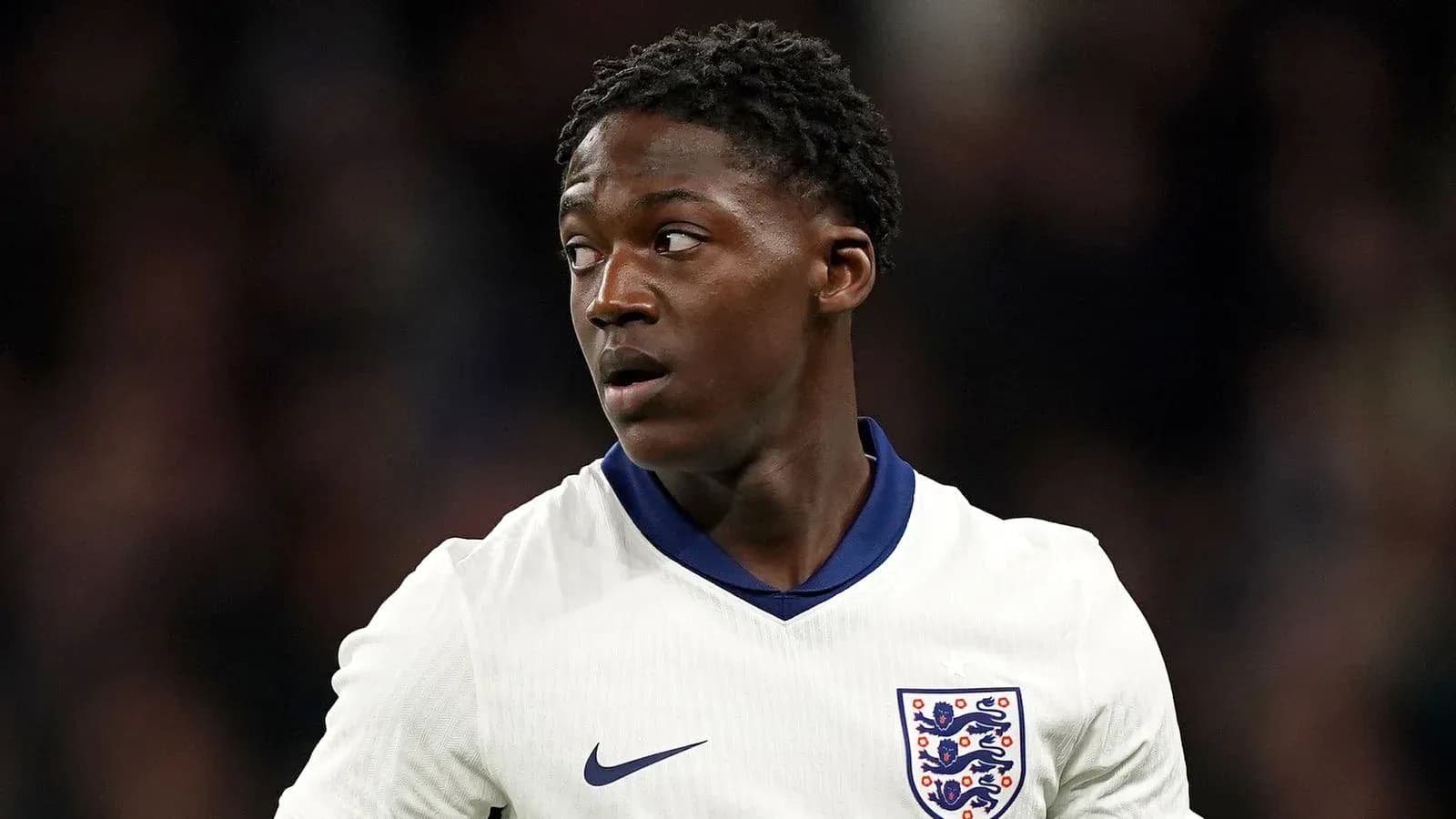
Kobbie Mainoo slips out of the dressing room first.
No fuss, no entourage, no headphones clamped to his ears. Just a quiet walk towards the team bus, head up but eyes distant, as another World Cup night ends without him kicking a ball.
At 19, one of England’s brightest young midfielders has become a ghost of this tournament. Present, but never really there.
The odd man out
Only three outfield players in this England squad have not played a single minute at this World Cup: Mainoo, Ivan Toney and Trevoh Chalobah.
Toney knows his role. Thomas Tuchel told him straight – he is a “finisher”, a specialist waiting in the wings in case Harry Kane breaks down or a penalty shoot-out demands his nerve. Kane has been relentless: fully fit, six goals, no shoot-outs required. Toney waits. That was always the deal.
Chalobah’s situation is even clearer. Drafted in late after Tino Livramento’s injury, he arrived as cover. John Stones sits ahead of him in the queue, and Stones has barely given Tuchel a reason to look beyond him. Chalobah is insurance, nothing more.
Mainoo’s reality is murkier. And it stings more because of where he has come from.
This is the teenager who started a European Championship final for England at 18. The kid who walked into a showpiece game and looked like he belonged. A glorious international career seemed to be opening up in front of him.
It still might. But not here, not now, not in the USA and Mexico, where he has not played a single second.
The midfield Tuchel trusts
The frustration grows sharper when you look at what has happened around him.
Jordan Henderson’s World Cup effectively ended the moment he broke his wrist celebrating after the win over Mexico. A senior midfielder gone from the rotation. A slot, in theory, opening up.
Yet Tuchel has turned elsewhere. Declan Rice and Elliot Anderson have become the bedrock of this side, the preferred pairing in the middle of the pitch and the heartbeat of England’s run to a semi-final against Argentina.
Anderson’s mid-tournament move to Manchester City has seemed to lift him rather than distract him. He has grown with every game, his quarter-final display against Norway his most complete yet. Rice, the vice-captain, remains non-negotiable when fit. Even illness and injury have not been enough to shift him for long.
Until Miami.
Laid low by a Mexican stomach bug, Rice spent three days confined to bed before the Norway tie. He could manage only 45 minutes in the Florida heat. At half-time, with the temperature draining legs and minds, the door finally looked ajar for Mainoo.
He must have felt it. This, at last, was his moment.
The chances that never came
Tuchel thought differently.
Instead of turning to the Manchester United youngster, he sent on Eberechi Eze. The England head coach wanted more attacking thrust, more risk, more line-breaking passes. Eze, the Arsenal man, became the answer.
Mainoo could reasonably argue that those are qualities he brings too: energy, tempo, the ability to knit play and keep England’s passing sharp as others fade. On a night when the heat was stripping power from legs, his freshness looked like an obvious weapon.
Tuchel did not see it that way.
As the second half wore on, Reece James stepped into midfield. A right-back by trade, and one managing a hamstring issue, James has become one of Tuchel’s preferred defensive midfield options, both for England and, often, for Chelsea. Trusted. Battle-tested. Picked again.
Then came another twist. Ezri Konsa, filling in at right-back, cramped up and had to go off. James moved back to defence. Another gap appeared in midfield. Mainoo’s chance? Not yet.
Tuchel turned to Morgan Rogers. Eze shuffled out to the left. Mainoo stayed rooted to the bench, bib on, boots unused.
From the outside, that sequence of decisions felt brutal. For a young player, watching others repeatedly shifted out of position to fill roles he specialises in must cut deep.
Tuchel’s call, Mainoo’s reality
Strip away the emotion and Tuchel’s logic still stands up. He leaned on players he trusts in pressure moments. He prioritised experience, familiarity with his system, and the tactical profiles he believes best serve England’s pursuit of the trophy.
It is harsh on Mainoo, and it looks even harsher because of the backdrop of his rapid rise. But this is tournament football at its coldest. Sentiment does not get on the pitch.
So Mainoo walks alone from the dressing room again, first out, first on the bus, never sulking, but looking a touch adrift in a squad chasing the ultimate prize without him.
For now, he is learning the hardest lesson international football offers: talent gets you to a World Cup. Trust keeps you on the pitch.
His time will almost certainly come. The question is whether this World Cup becomes the making of him in silence, or the memory that fuels everything he does for England from here.