Kobbie Mainoo's World Cup Freeze-Out: A Puzzling Subplot
Thomas Tuchel’s World Cup freeze-out of Kobbie Mainoo has become one of the most puzzling subplots of England’s campaign – and new reports have begun to explain how the Manchester United midfielder went from late-season revelation to unused passenger.
From Old Trafford surge to World Cup standstill
Mainoo arrived at the tournament on a surge of momentum. He had driven Manchester United’s late push for Champions League qualification in the 2025/26 run-in, playing with a composure and authority that made his inclusion in England’s squad feel inevitable rather than generous.
Nobody expected him to dislodge Declan Rice. Elliot Anderson, too, had clearly earned Tuchel’s trust. But a player of Mainoo’s profile – press-resistant, progressive, brave on the ball – looked tailor‑made for the moments when England laboured to pick locks and control tempo.
Those moments came. His chance never did.
Across the entire summer, Mainoo did not play a single minute. As England toiled in games crying out for a different rhythm in midfield, the United youngster stayed rooted to the bench, his absence becoming louder with every game.
A week that changed Tuchel’s mind
According to The Daily Mail, there was a point when that seemed set to change.
In the week leading up to England’s second group match against Ghana, Rice began to struggle with fitness issues. Jordan Henderson was injured. On the training pitch, Tuchel paired Mainoo with Anderson in central midfield. Inside the camp, there was a growing sense that the 19-year-old was edging towards a role, perhaps even a start.
Then the mood shifted.
The report claims Tuchel “had not liked what he saw” in that spell of training. Whatever reservations he held hardened quickly. When the team sheet dropped for Ghana, Mainoo’s name was not on it. It never would be for the rest of the tournament.
The decision jarred with the context. England’s midfield looked leggy, short of invention, and increasingly reliant on Rice to plug gaps and build attacks despite his physical issues. Yet even in those circumstances, Tuchel turned away from the United youngster.
Body language, headphones and a growing distance
Around the squad, people had started to notice Mainoo’s demeanour.
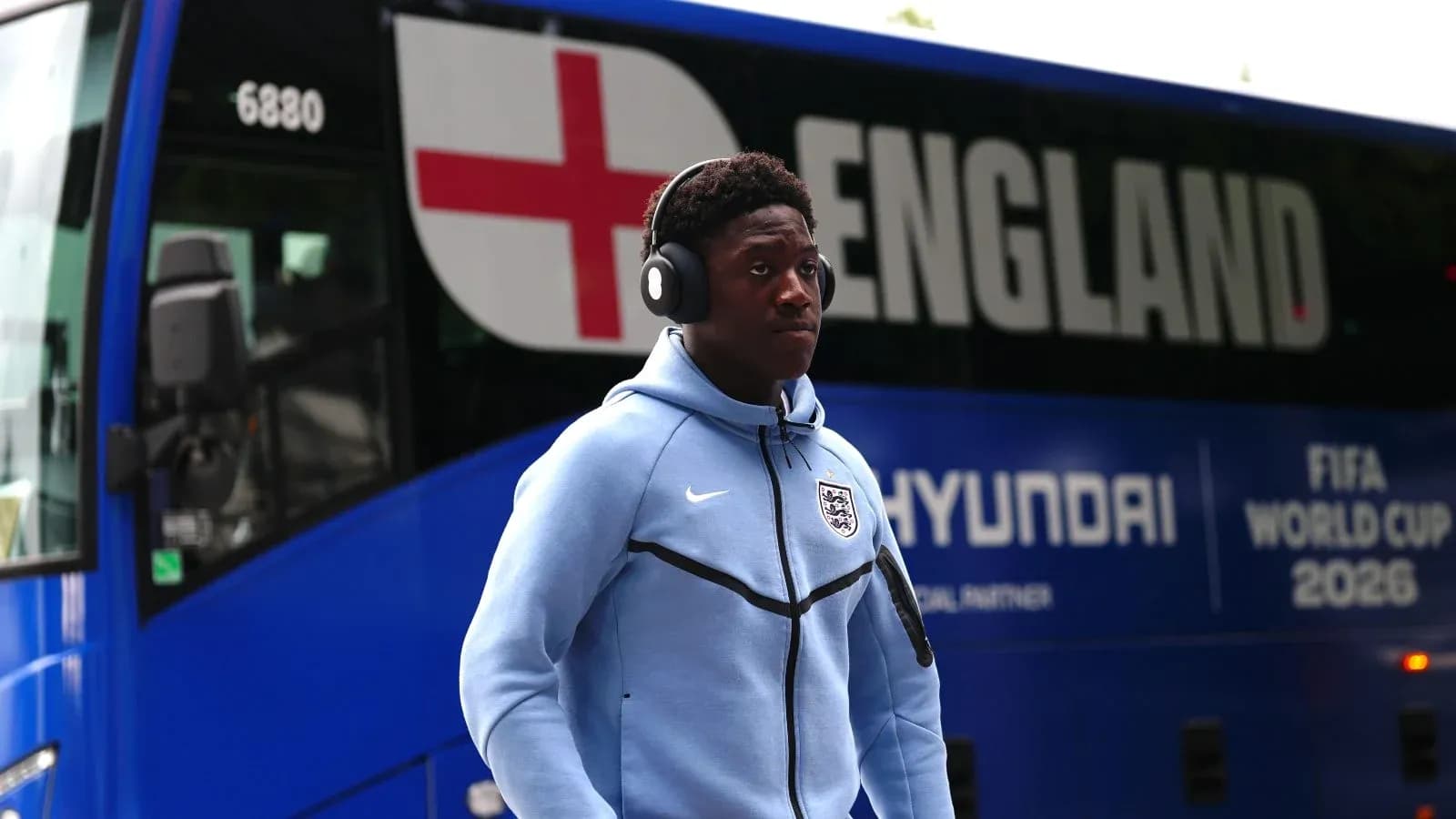
The Mail describes him as “the first player to leave the stadium, always alone and with headphones in” after almost every match. The Athletic echoes that picture, reporting that he was “unhappy” at the World Cup and “often the first player back on the team bus”.
None of that is unusual for a young player sidelined on the biggest stage of his career. But when a manager is weighing trust, attitude and readiness, such details rarely go unnoticed.
Inside the camp, according to The Athletic, there was no clear consensus on how Tuchel viewed him. One source wondered if the England boss saw Mainoo as a youngster content simply to be part of a World Cup squad, a developmental pick rather than a genuine option. Others felt the midfielder had not convinced Tuchel that he was ready to be relied upon in high‑stakes minutes.
What is clear is that, despite at least one source close to the camp insisting Mainoo trained well, the manager’s mind never truly opened.
Reece James in midfield – and a brutal message
The clearest indication of where Mainoo stood came late in the tournament.
As Rice continued to battle fitness problems, Tuchel chose to reshuffle rather than reach for his specialist midfield cover. Defender Reece James was moved into midfield ahead of Mainoo, a tactical gamble that doubled as a blunt message.
If a right-back is preferred in the middle of the pitch while a natural midfielder sits unused, the hierarchy is not in doubt.
By the end of England’s World Cup, the pattern was unmissable. No minutes for Mainoo. No late cameos to ease pressure. No experimental run-outs when games were drifting. Just a tournament experienced from the fringes, headphones on, first off the bus, first out of the stadium.
A talent parked, a question left hanging
Tuchel’s handling of Mainoo has fed into a wider inquest around England’s failed campaign and the manager’s decision‑making. With Rice hobbling, Henderson injured and the team visibly short of control at key moments, the choice to ignore one of the Premier League’s standout young midfielders will not fade quickly from debate.
For Mainoo, the World Cup becomes a strange chapter: a reward for a brilliant season that yielded nothing on the pitch, only frustration and questions about how he is viewed at international level.
For Tuchel, it leaves a lingering issue. When the next squad is named and England’s midfield is rebuilt, does he double down on that judgement – or decide that a player good enough to drag Manchester United into the Champions League deserves more than a watching brief on the biggest stage of all?