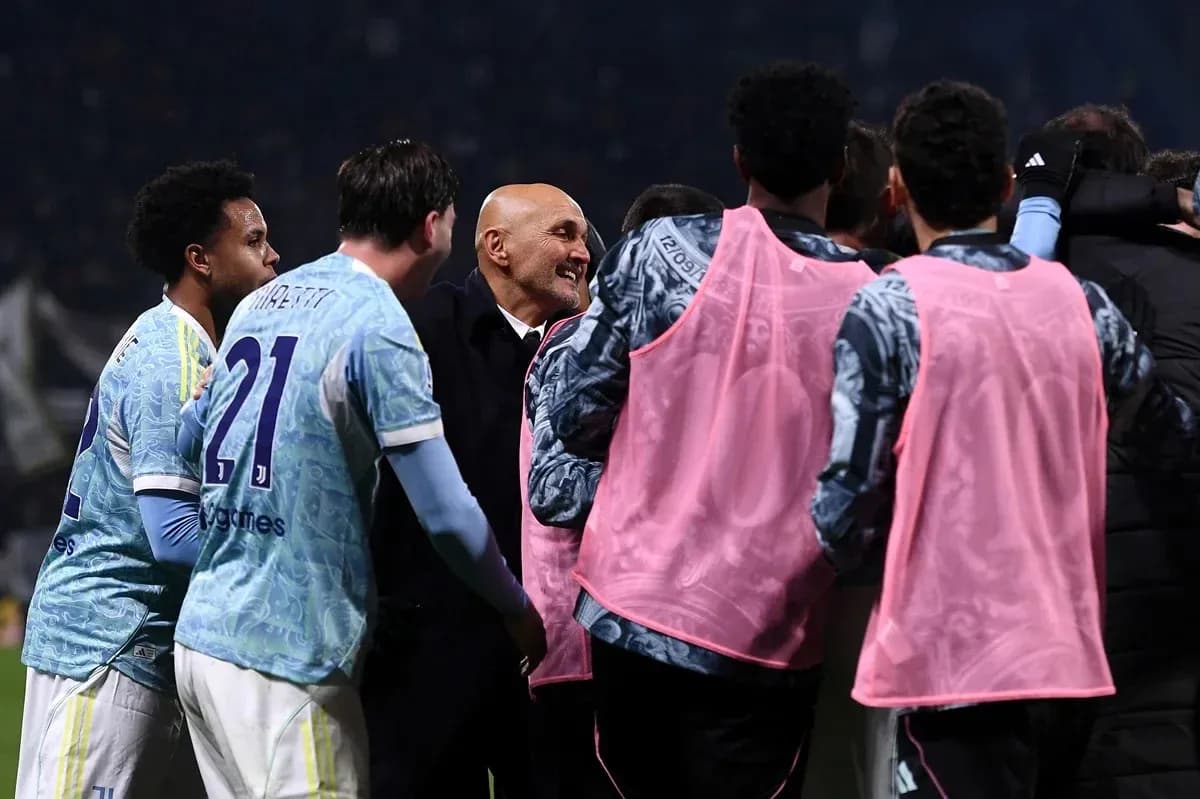
Juventus' Transfer Dilemma: Spalletti's New Approach
At Juventus, the transfer window has opened on a familiar problem: too many players, not enough takers.
Years of heavy spending at the Allianz Stadium have left the club with a cluster of signings who never quite justified the investment. They arrived with fanfare and expectation. They stayed with inconsistency and disappointment. Now, when Juventus try to move them on, the market shrugs.
Clubs across Europe are wary of inheriting big contracts and uncertain form. The result is a logjam. Players labelled “unwanted” remain on the books, their futures parked in limbo.
This summer, though, the handling of that situation has changed.
From Motta’s blacklist to Spalletti’s open door
Under Thiago Motta, the approach was blunt. As soon as he came in, he drew a clear line through the squad, separating those he trusted from those he did not intend to use. The message to the hierarchy was equally clear: find solutions, find exits, clear the decks.
Several players effectively trained with one foot out of the door, waiting for their agents and the club to engineer a move. Motta’s Juventus was to be lean, streamlined, and ruthless.
Luciano Spalletti has walked into the same dressing room and chosen a very different route.
Instead of exiling names, he has brought everyone back into the fold. Every contract, every misfit, every player previously written off has reported for pre-season with a clean slate. Even someone like Arthur Melo, who had long seemed destined to be a permanent outsider, has been folded back into the group and given minutes.
Spalletti’s message is simple: you are judged on what you do now, not on what you failed to do before.
A manager who wants to see for himself
The philosophy behind that stance was summed up by Giovanni Albanese, speaking to Tuttojuve. He underlined Spalletti’s refusal to treat players as disposable “stickers” to be peeled off and discarded too early.
The idea is straightforward but powerful. Spalletti wants to study everyone, to watch them closely in training and in friendlies, and only then deliver his verdict. If performances fall short, he will tell the club to move those players on. Until that point, they remain part of his work.
It is not leniency. It is evaluation.
For Juventus, this offers a small but important shift. Instead of marketing players as dead weight, they can at least present them as active squad members fighting for a place under a respected coach. Some might play their way into Spalletti’s plans. Others might at least restore a measure of value in the eyes of potential buyers.
The decisions will come soon enough. Contracts still need trimming, and balance sheets still demand sales. But for now, every session and every pre-season outing is an audition.
In a squad long split between insiders and outcasts, Spalletti has chosen to press reset. The question now is who uses that second chance—and who confirms why they were on the unwanted list in the first place.