Jeff Bezos nears landmark Liverpool stake amid club transformation
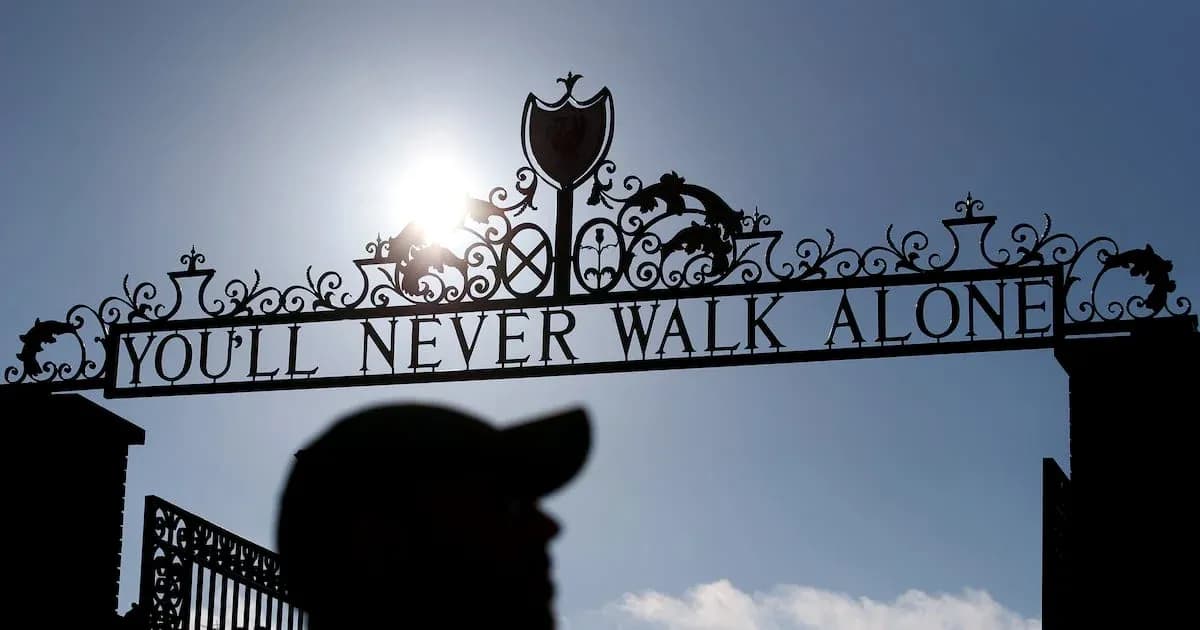
Jeff Bezos is on the brink of walking through the Shankly Gates – not as a fan, but as one of Liverpool’s most powerful new backers.
A consortium including the Amazon founder is close to sealing a deal for a 30 per cent stake in the club from Fenway Sports Group (FSG), in an agreement worth around £1.35 billion (€1.58 billion). After months of negotiations, the structure is in place and the terms are effectively agreed, though the process could still take up to a month to formally complete.
Billionaire firepower behind the bid
The group of investors is led by Amit Bhatia, son-in-law of Indian steel magnate Lakshmi Mittal and a former shareholder at Queens Park Rangers. Also at the table is Facebook co-founder Eduardo Saverin, adding another heavyweight name – and another vast fortune – to a deal that would reshape Liverpool’s financial landscape.
Bezos, whose personal wealth Forbes estimates at around $257 billion (€223 billion), is the fourth-richest person on the planet. Saverin is reportedly worth $32 billion (€28 billion). Between them and Bhatia’s consortium, Liverpool are about to gain access to a level of financial clout few clubs can even contemplate.
For Bezos, 62, this would be his first direct investment in football. He has previously explored moves into the NFL, sounding out potential franchise bids, but never pulled the trigger. This time, he will receive equity in Liverpool as part of the agreement, which Deloitte is understood to have advised on.
Amazon’s sporting footprint grows
Bezos is now executive chair at Amazon, having stepped back from the chief executive role five years ago, but his fingerprints remain all over the company’s push into live sport and entertainment.
Under his leadership, Amazon has transformed from online retailer to major broadcaster, aggressively pursuing sports rights to fuel its streaming ambitions. The company held live UK rights for 20 Premier League games per season for six seasons, up to the end of last year. It also shows the Champions League in several European markets and carries NFL coverage in the United States.
A stake in Liverpool would not automatically change any rights landscape, but it underlines how deeply global tech money is now entwined with elite football. One of the world’s biggest clubs, part-owned by one of the world’s richest men, backed by a company that already shapes how millions watch the game.
FSG’s evolving Liverpool project
For FSG, who bought Liverpool in 2010, this is the latest stage in a long-term reshaping of the club’s ownership model. Their tenure has delivered a modern era of success, including two Premier League titles, and a transformation of the club’s commercial and matchday revenues.
They have already dipped a toe in the partial-sale waters. In 2023, FSG sold a 3 per cent stake to US private equity firm Dynasty Equity. This new deal, at 30 per cent, is of a completely different magnitude and signals a more substantial shift in the power structure around Anfield.
It comes at a moment of flux on and off the pitch. This summer has already ripped up some of the recent certainties at Liverpool.
Andoni Iraola has replaced Arne Slot as head coach, ushering in a new tactical and cultural direction. Mohamed Salah, the defining forward of the Klopp era, has departed on a free transfer and joined Trabzonspor, leaving a gaping hole in both goals and aura. Michael Edwards, a key architect of Liverpool’s data-led rebuild and a central figure within FSG’s football operation, has stepped down from his role as chief executive officer at FSG.
Change is no longer looming at Liverpool. It is here.
What 30 per cent really means
A 30 per cent stake does not hand Bezos and his fellow investors control of Liverpool. FSG will remain majority owners and ultimate decision-makers. But a share of that size, backed by such deep pockets and global influence, guarantees a powerful voice in the room when the club’s future is mapped out.
The move raises obvious questions. How aggressively will Liverpool now spend? Will the new investors push for a more expansive recruitment strategy? Or is this about long-term brand growth, infrastructure, and embedding Liverpool deeper into a global entertainment ecosystem?
For now, those answers remain behind closed doors. FSG has been approached for comment.
What is clear is that Liverpool, a club rooted in local identity and European nights under the lights, is about to be bound even tighter to the forces reshaping modern sport: tech money, streaming power, and billionaire ambition.
Anfield has seen revolutions before. This one is being written in balance sheets as much as in goals.