Jeff Bezos and Consortium Eye Liverpool Stake Amid FSG Transition
Liverpool stand on the brink of one of the most eye‑catching investment deals in football history – and it is being driven by some of the richest men on the planet.
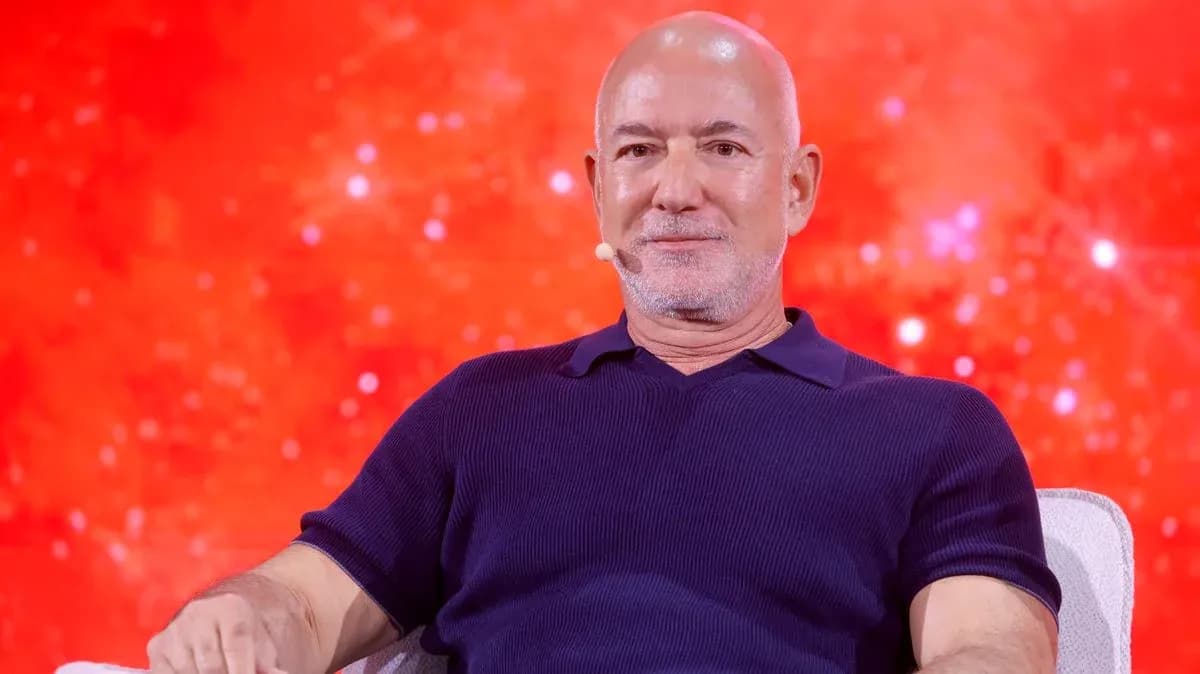
An investment consortium led by Amit Bhatia, and including Amazon founder Jeff Bezos and Facebook co‑founder Eduardo Saverin, is in advanced talks to buy a significant minority stake in the Anfield club. The holding is described as “roughly one third”, a slice large enough to reshape Liverpool’s financial muscle without dislodging Fenway Sports Group (FSG) from overall control.
Bezos, Saverin and Bhatia move into position
FSG have confirmed that they are in discussions with the group fronted by Bhatia, who is the son‑in‑law of steel magnate Lakshmi Mittal and a former shareholder in Queens Park Rangers.
“An investment consortium led, managed, and represented by Amit Bhatia has expressed interest in making a strategic minority investment in Liverpool Football Club,” read a statement from the club’s owners, who have been in charge since 2010.
Sky News report that Bezos would join a syndicate that already includes Saverin, whose early role at Facebook helped build a personal fortune estimated at more than $32bn (£23bn). Bhatia, long embedded in elite business and sport, heads up the group.
The expectation inside the deal is that FSG could announce an agreement as early as this week. Those close to the process also caution that the timetable might slip into next week, but the direction of travel is clear: Liverpool are preparing for a new wave of American-backed capital.
If the transaction is completed on the terms discussed, it would value Liverpool at around $6bn (£4bn) – one of the most lucrative valuations ever attached to a football club.
A new financial superpower at Anfield
Forbes currently estimates Bezos’ wealth at more than $280bn (£207bn), a figure that puts him in the very top tier of global billionaires. Add Saverin’s billions and Bhatia’s backing, and Liverpool would suddenly count a trio of ultra‑wealthy powerbrokers among their co‑owners.
They would not be alone in that bracket. The Premier League has seen a surge of American investment in the last decade, and half of the division’s 20 clubs are now predominantly owned by US‑based groups. Yet a $6bn valuation would place Liverpool at the sharp end of that trend, shoulder‑to‑shoulder with the sport’s biggest financial operations.
FSG, who also own MLB giants the Boston Red Sox, took control of Liverpool in 2010, rescuing the club from the chaos of the Tom Hicks and George Gillett era and the looming threat of administration. Their stewardship has delivered a Champions League crown and a long‑awaited league title, but has also been marked by tension over spending, ticket prices and the aborted attempt to join the European Super League.
This deal would mark a shift rather than an exit: strategic money in, FSG still in charge.
Near‑misses elsewhere, focus on Anfield now
Bezos has circled elite sport before. He explored major investments in the NFL, looking closely at the Seattle Seahawks and Washington Commanders, but chose not to follow through on either opportunity. Saverin has also been here before, forming part of a consortium that tried – and failed – to buy Chelsea during the 2022 sale triggered by sanctions on Roman Abramovich after Russia’s invasion of Ukraine.
Liverpool, though, offer something different: a global fanbase, a proven modern track record on the pitch, and a commercial operation already primed for expansion. For investors of this scale, it is a rare asset.
Transition on the pitch, turbulence off it
All this comes at a moment of uncertainty on the football side.
Liverpool last lifted the Premier League title in 2024/25, but now head into a season defined by change. Head coach Arne Slot has been sacked, Mohamed Salah has departed, and the squad is being reshaped on the fly.
So far this summer, the club have moved to plug gaps and refresh the dressing room with the signings of Jeremy Jacquet and Victor Munoz, along with a loan deal for Ronald Araujo. It is business that hints at a rebuild rather than a tweak.
Bradley Barcola has been marked out as a priority attacking target, with Paris Saint‑Germain open to a sale, yet negotiations have stalled short of a breakthrough. Liverpool know they need more firepower; they also know that deals of that level require clarity over budgets and long‑term planning.
That is where the timing of this potential investment becomes so intriguing. A strategic minority stake from Bezos, Saverin and Bhatia would not instantly rewrite every transfer plan, but it would send a powerful message about Liverpool’s future capacity to compete with state‑backed rivals and billionaire‑funded projects across Europe.
FSG once arrived as the saviours of a club on the brink. Sixteen years on, they are preparing to bring in partners whose combined wealth dwarfs anything English football has seen at Anfield before.
If the ink dries in the coming days, Liverpool will step into the new season in flux on the touchline, but with a financial horizon that suddenly looks vast. The question now is simple: can a club in transition turn unprecedented backing into another era of dominance?