Jay-Z's Roc Nation Sports Dominates Football Transfer Market
Jay-Z has spent a career turning culture into an empire. This week, football felt the weight of it again.
Barely a day after his first rap verse in four years surfaced on Beyoncé’s extended remix pack of Morning Dew (Donk), another victory for his business portfolio landed in Madrid. Not in music, but in the ruthless, cash-soaked theatre of the transfer market.
The man who helped redefine hip-hop now has a hand in almost everything: Tidal, streetwear, champagne, cognac. Yet it is Roc Nation Sports – the sports arm of his entertainment powerhouse – that has muscled its way to the front of this summer’s football narrative.
From Brooklyn beats to Bernabéu deals
Roc Nation Sports was born in 2013, spun out of the broader Roc Nation brand in partnership with Creative Artists Agency. At first it lived in familiar American territory: NBA, NFL, MLB. Kevin Durant was one of the early centrepieces. Football, the global version, came later.
Jérôme Boateng opened the door in 2015 as the agency’s first football client. Four years on, Roc Nation Sports International (RNSI) arrived with a clear ambition: not just to be in European football, but to sit at the top table of its biggest clubs.
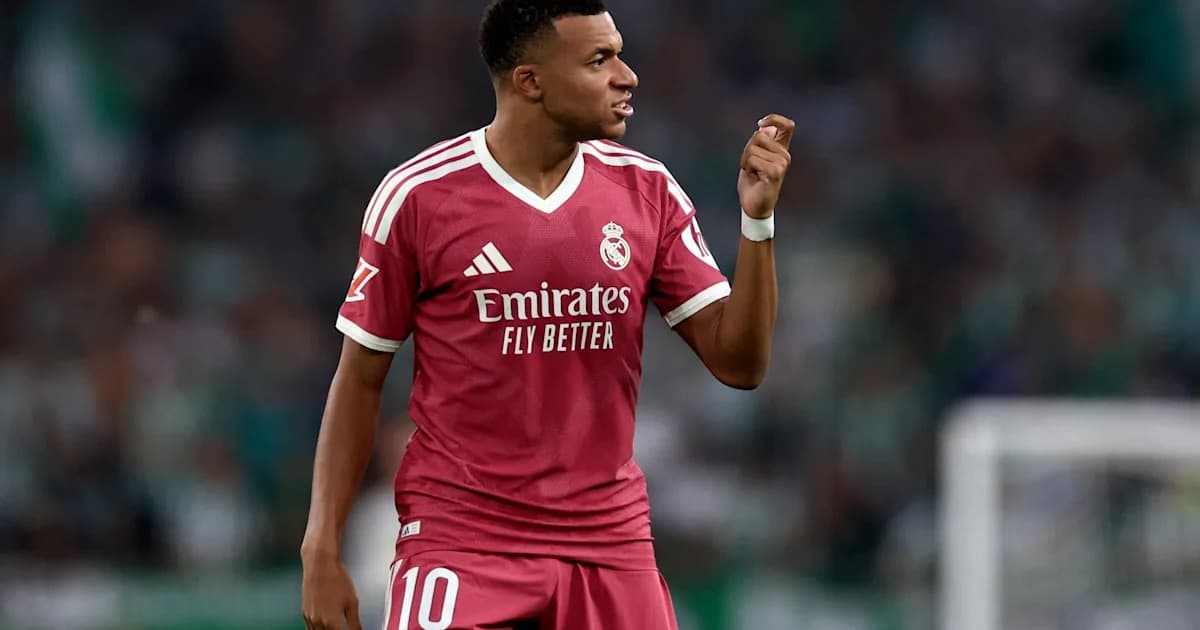
Based in London, RNSI now boasts a stable of more than 100 players. Its crown jewel? Vinícius Júnior, the Real Madrid forward who has just signed a new contract believed to be worth around €25m a year, tying him to the Bernabéu while the rest of Europe circled.
Arsenal had sniffed opportunity. For months, the Premier League club were linked with a headline-grabbing move for the 26-year-old, a potential transfer that would have shaken the market. RNSI, for their part, had pushed hard. Negotiations with Real dragged on for two years as the agency sought a salary closer to €30m, in line with Kylian Mbappé’s level, and allowed Vinícius’s deal to creep into its final 12 months to test the market.
Arsenal were prepared to pay a huge fee. But the smarter play, they felt, might be to wait and attempt to land him on a free next summer.
The gamble never materialised. Real blinked first, improved their offer, and Vinícius stayed. Arsenal moved on, now looking at other attacking options such as Everton’s Iliman Ndiaye. Real, meanwhile, may have paid a different price: their decision to commit so heavily to Vinícius looks likely to cost them the chance to sign Rodri from Manchester City, with Barcelona stealing a march in that race.
Diomande, a jet, and a record fee
If Vinícius’s renewal underlined Roc Nation’s leverage, the next move shouted it.
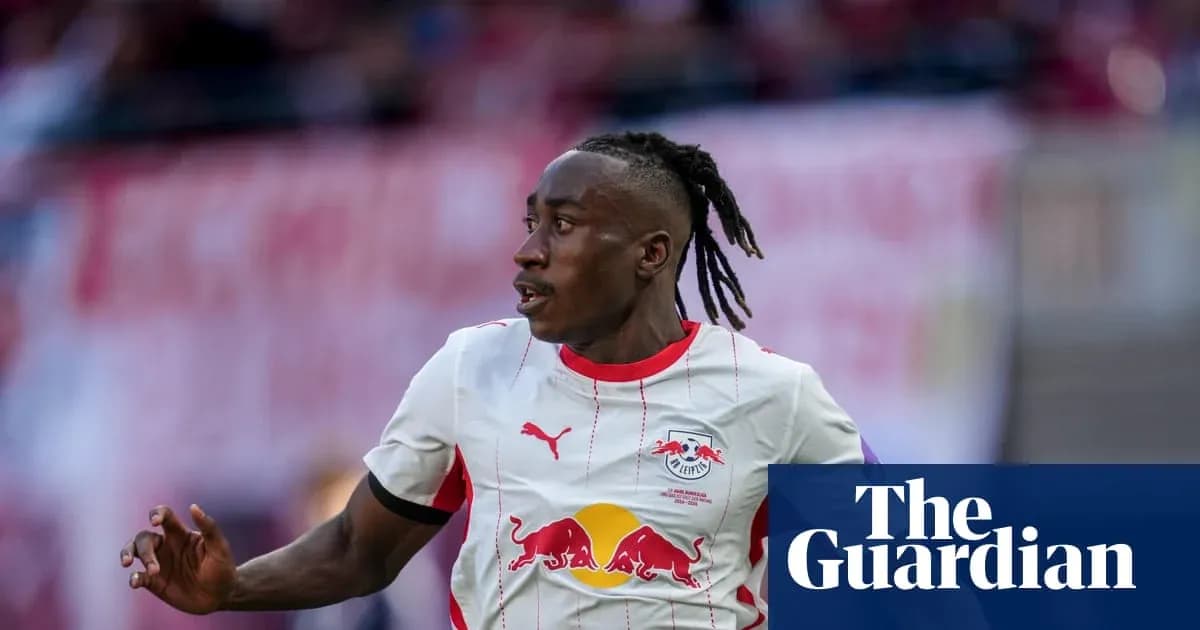
On the same day Real unveiled that new six-year deal for their Brazilian star, Yan Diomande boarded a private jet and flew to Madrid to complete his own seismic transfer. The 19-year-old winger left RB Leipzig for a record £115m fee, becoming the most expensive African player in history after just 46 senior appearances for the German club and Leganés in Spain’s second tier.
The images told their own story. Diomande, flanked by his agents Nathan Campbell and Kareem Gbaja, smiling on the jet as the Bernabéu beckoned. Behind the scenes, RNSI is reported to have earned up to £17m in commission and fees from the deal.
The saga had dragged across the summer. Liverpool saw a £70m bid rebuffed in June. Leipzig held their line. The price would be north of £100m or nothing. Paris Saint-Germain, usually comfortable at the top of the food chain, walked away at the end of July, issuing a pointed statement accusing unnamed agents of “inflationary and manipulative games” and insisting they would not play along.
Real did. Diomande signed a seven-year contract on Thursday, and in the process, his transfer laid bare how modern deals are now multi-front battles: clubs, agents, image-rights companies, academies, all scrambling for a slice of the pie.
Legal fights in the shadows
Roc Nation’s arrival at the sharp end of football has not gone unchallenged.
Two legal disputes have already surfaced around Diomande. The former Bournemouth winger Max Gradel, acting through his agency Maxidel Management, claims he had an existing agreement with the player. He has taken his complaint to Fifa, arguing that his company had rights in the winger’s representation. World football’s governing body, however, did not move to block the transfer to Real.
Dez Bamba, president of Diomande’s first club, AFI Sud Comoé in Côte d’Ivoire, has said the teenager was persuaded to join RNSI after a call from Vinícius himself. Roc Nation Sports has not commented on the case.
A second challenge comes from the Rainbow World Group, which launched proceedings in the high court in London and in the British Virgin Islands in mid-June. Rainbow claims it holds binding image rights and intellectual property agreements connected to Diomande’s early development, pointing to money spent taking him on trials at Chelsea, Bournemouth, Crystal Palace and Newcastle before Leganés eventually signed him.
Again, RNSI has stayed silent in public. The battles will play out in courtrooms, not boardrooms. But they underline a new reality: when a teenager becomes a £115m asset, the scramble around him can be as intense as anything on the pitch.
Africa, the new frontier
Diomande’s rise from Côte d’Ivoire to the Bernabéu has sharpened focus on a trend already under way. European clubs and agencies are investing heavily in African academies, looking for the next breakout star before the market inflates beyond reach.
Jeff Luhnow, the former Houston Astros and St Louis Cardinals general manager who now owns Leganés through his Blue Crow network of clubs, saw this coming. Speaking last year, he described Diomande as the first of many to emerge from their recruitment and development programmes across Africa, including projects in Ghana and Zambia. “We’ve got more players like that in our pipeline,” he said. For investors like Luhnow, Diomande is proof of concept.
Roc Nation has moved aggressively into the same space. In November, RNSI announced the signing of eight young African talents, among them Ghana Under-17 midfielder Joseph Narbi and Francis Gomez, a Gambian winger at AC Horsens in Denmark. Campbell framed it as a logical step in a global strategy, calling Africa a “hotbed of untapped footballing potential” and positioning the agency as a bridge between raw talent and elite European football.
The logic is brutal but simple: find the next Diomande before anyone else does.
Jay-Z’s new power play
What began as an offshoot of a music empire now sits at the heart of football’s most contested territory: the space between player, club and market. Roc Nation Sports is no longer a novelty name on the agents’ list. It is a power broker.
Vinícius’s €25m-a-year deal at Real Madrid. Diomande’s record £115m transfer and the seven-year contract that came with it. Arsenal’s abandoned pursuit. PSG’s public frustration. Legal disputes over representation and image rights. African academies being pulled into global networks.
This is where the game is heading, and Jay-Z’s operation is already there, elbows out, taking its seat.
In the dog-eat-dog world of football agents, the new kids on the block are no longer knocking at the door. They’re inside, reshaping the room – and everyone else has to decide whether to fight them or find a way to live with them.