Ismael Saibari's Injury: A Blow to Morocco's World Cup Hopes
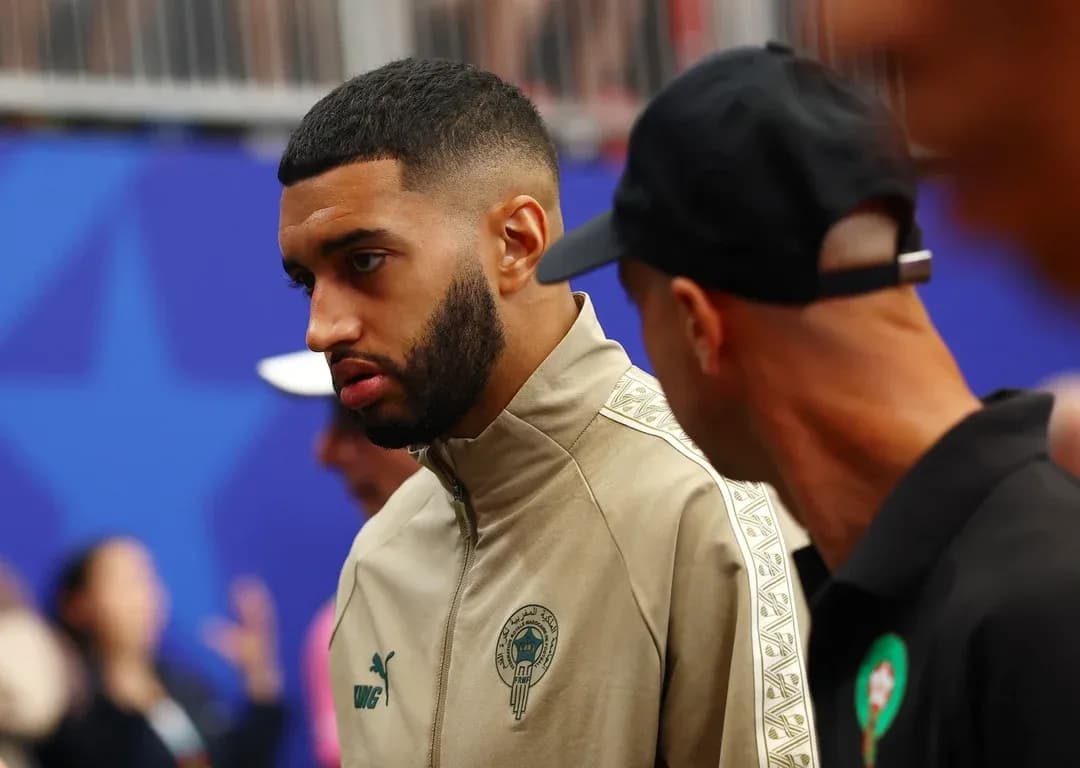
Ismael Saibari’s World Cup lit up in a flash. It might now be hanging by a thread.
The Morocco playmaker, their leading scorer at this tournament with three goals, lasted just 22 minutes of Saturday’s clash with Canada before his body failed him at the worst possible time. Driving forward on an attacking move, he suddenly pulled up, hand in the air, immediately calling for a substitution. No theatrics. Just the unmistakable signal of a player who knows his own limits—and fears what comes next.
He sank to the turf in visible discomfort, clutching the back of his right thigh. The Atlas Lions’ medical team rushed on, but the verdict on the pitch was swift. He could not continue. Soufiane Rahimi was sent on, officially as a precaution, unofficially as the first sign of a looming crisis.
Early indications from the camp point to a muscle injury in the back of the right thigh, consistent with a hamstring strain. The kind of problem that can end a tournament in a heartbeat. The full diagnosis will only arrive after medical tests in the coming hours, but the timing could hardly be more brutal—for player or country.
Morocco went on to sweep Canada aside 3-0 at Houston Stadium, a statement win that underlined their status as serious contenders. Yet even as the goals went in, the lingering question hung over the night: at what cost?
This is not Saibari’s first battle with his own muscles. Earlier this year, while at PSV Eindhoven, he missed roughly a month between April and May, sitting out three Eredivisie matches because of a muscle injury. Go back to April and May 2023 and there was another spell on the sidelines, 22 days out with yet another muscular issue. Different seasons, different shirts, same unwelcome theme.
For a player whose game thrives on sharp bursts, quick changes of direction and constant movement between the lines, that history cannot be ignored. Nor can the stakes. Morocco are in the FIFA World Cup quarterfinals for the second consecutive tournament, a remarkable achievement that has reshaped expectations around this team. They are no longer dark horses. They are in the pack.
And Saibari is central to that evolution. He scored against Brazil, Scotland and Haiti in the group stage, dragging defenders around, opening spaces, striking with conviction. His performances did not just catch the eye; they convinced Bayern Munich to invest heavily in his future. His recent transfer from the Bundesliga side he was already linked with to Bayern was sealed in a deal worth around $63 million (€55 million), with a contract running through 2031. That is the profile of a player stepping into the elite.
The cruel twist is that this setback arrives just as his career arc points sharply upward. From a childhood shaped by a congenital foot condition that delayed his ability to walk normally until around the age of two, to overcoming that through orthopedic treatment, Saibari has long been fighting battles his talent demanded he win. That early issue is unrelated to what happened against Canada, but it forms part of the story: a body tested, repaired, pushed again to its limits.
Now, once more, it is that body under scrutiny. The hamstring. The scans. The countdown to the next match.
Morocco have shown they can win without him for 70 minutes against Canada. Winning a quarterfinal—and possibly more—without their most prolific scorer at this World Cup is another challenge entirely. The dressing room will wait for the doctors’ verdict. So will Bayern, who have just committed to him until 2031 and know too well how fragile an investment in explosiveness can be.
For Saibari, the hope is simple: that this is a scare, not a full stop. For Morocco, chasing history again on the biggest stage, the question is harsher.
Can their World Cup dream survive if their rising star is forced to watch the rest of it from the sidelines?