International Break: How Clubs Adapt to a Longer Pause
The season has barely found its rhythm and already the music has stopped.
The first international break is here – and this time, it lingers. Three weeks without Premier League or Championship football, instead of the usual two. One long pause, rather than two shorter interruptions.
The idea is simple enough. The old September and October windows, four games split across two breaks, have been rolled into one block. Domestic football shuts down for three weeks now, instead of being chopped up across four weeks in two separate bursts. On paper, club football actually gains a week.
Tell that to the players left behind.
For those not on international duty, three weeks without a competitive kick is a long stretch. These are athletes tuned to the rhythm of games, not extended lulls. So clubs have had to get creative.
Brentford: a week off, then back to work
At Brentford, the training ground feels unusually empty. Most of the squad are away with their countries. Around a dozen players remain, including Callum Wilson and Igor Thiago, plus five more working their way back from injury.
The Bees also have one of the longest breaks of all. They played Chelsea on the Friday night before the shutdown, so the gap to their next match stretches even further.
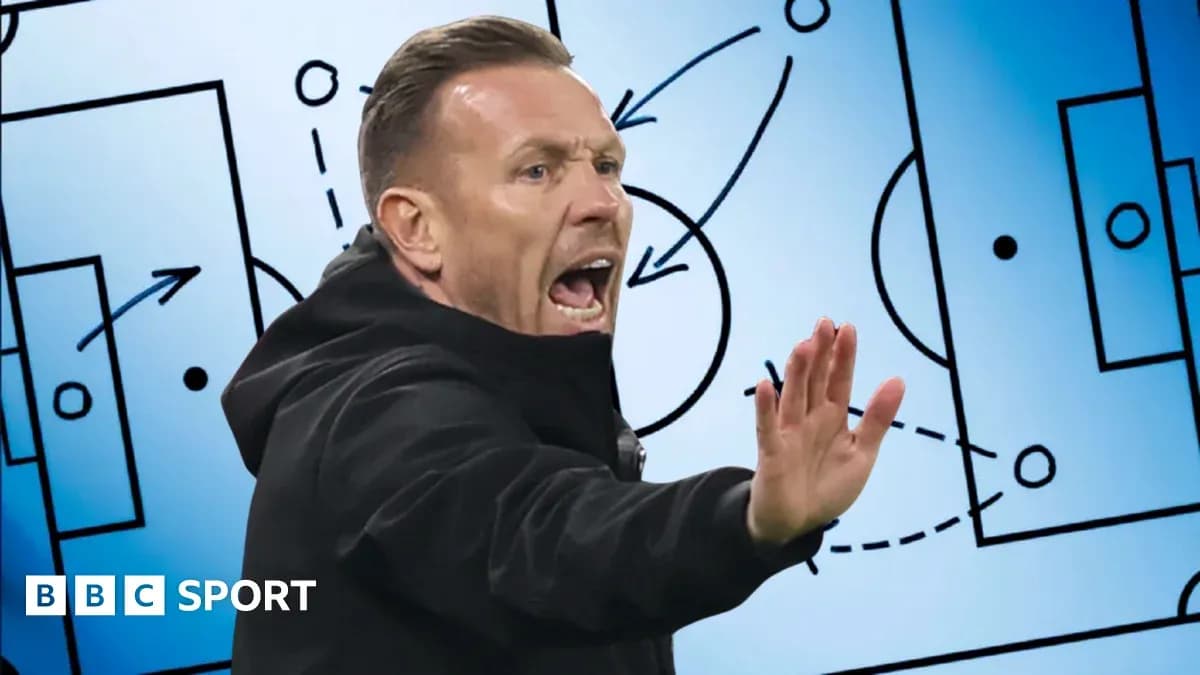
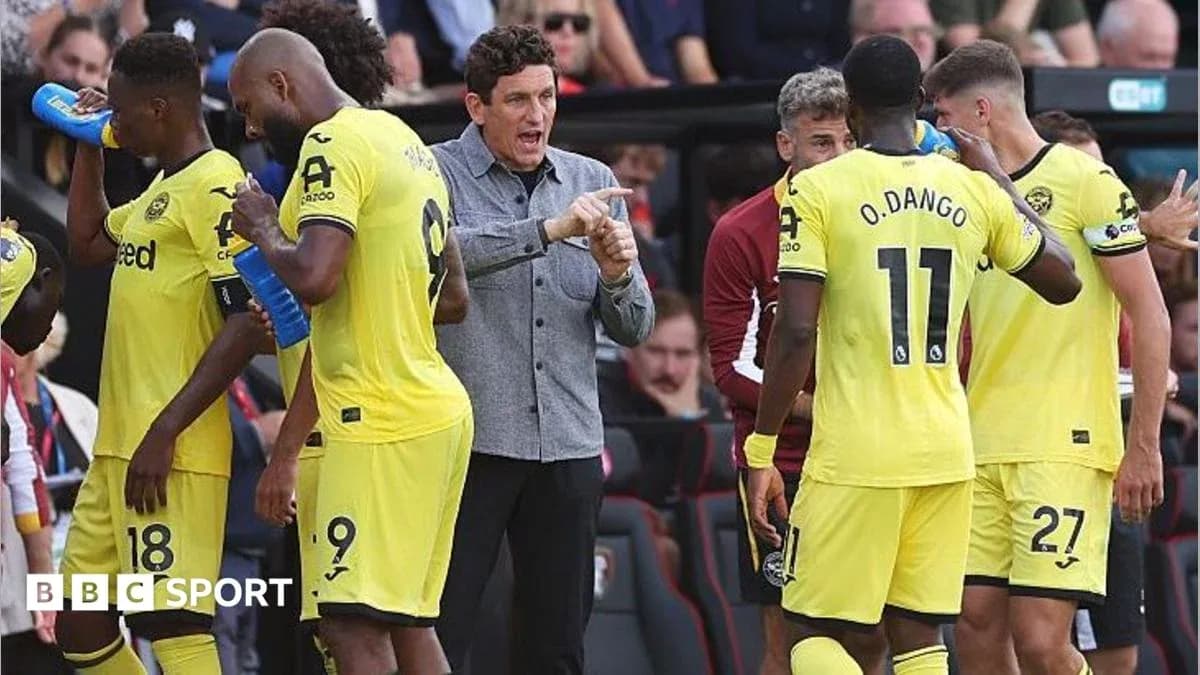
Keith Andrews has responded by pressing pause. His first-team players have been handed a week off, armed with individual training programmes. They are free to leave the country, but nobody is expecting any long-haul adventures to be signed off.
The plan is clear. The group will reconvene on Saturday, 26 September, when full training ramps up again. On the weekend of 3 October, Brentford will play a behind-closed-doors friendly against another English club.
That game should be more than a fitness exercise. It could offer a return to action for the likes of Nathan Collins and Sepp van den Berg, with the rest of the squad likely padded out by under-21 players.
The second international break will be a different story. Then, the Bees face Brighton on Sunday, 8 November and are back again against Everton on Saturday, 21 November. The schedule is tighter, the window shorter. Players might get the odd day off, but Andrews is planning a more standard routine: regular training, no friendly, straight into preparing for the Toffees.
Liverpool: thin group, tight turnaround
At Liverpool, there is no grand reset. The club will keep training with the small cluster of players who have not been called up, with a few days off built in.
Andoni Iraola already knows the squeeze that awaits. With so many away, he expects “no more than three days probably to prepare” for Manchester City at Anfield on 11 October once his full squad returns.
Three days to face City. That is the trade-off in this new calendar.
Aston Villa: Emery’s Sevilla return
Aston Villa have chosen a different route altogether.
Unai Emery is heading back to old ground. Villa will travel to Spain to face Sevilla in the 15th edition of the Antonio Puerta Trophy on Friday, 2 October.
For Emery, it is a return to the club where he won the Europa League three years in a row. For Sevilla, it is a deeply personal occasion. The match honours Antonio Puerta, the 22-year-old wing-back who died on 28 August 2007 after suffering multiple cardiac arrests during a La Liga game against Getafe.
For Villa, it doubles as a serious friendly in a competitive setting, a way to keep their non-internationals sharp while respecting a powerful piece of Sevilla’s history.
Championship clubs: fewer call-ups, more work
Drop into the Championship and the picture shifts.
Squads there are less stripped by international duty. Many clubs lose only a handful of players. Blackburn Rovers, for example, have just four call-ups.
For Tony Mowbray, that is a blessing.
Rovers have already been through an injury storm, with more than 10 players ruled out in the opening weeks of the season. The break offers breathing space. It gives them a chance to ease back players like Gady Beyuku and Moussa Baradji, who have recently returned, and to push others such as Scott Wharton closer to full fitness.
After their trip to Portsmouth on Saturday, Blackburn headed back to Lancashire. The plan: a few days on the training ground this week, a chance to reset and refine after a hectic start featuring league games and Carabao Cup ties.
It is also valuable time for Mowbray himself. Back at the club since the summer, he now gets a rare stretch to work properly with his squad without the constant drumbeat of fixtures.
But it will not be all double sessions and tactical drills. Mowbray intends to hand his players a few days off at the end of the week. Some, like Yuri Ribeiro, will be able to fly home to Portugal if they choose.
Then the rhythm repeats. Training in the first half of the following week, a short weekend break, then back into the usual pre-match routine in week three ahead of the home game against Cardiff.
Behind the scenes, Mowbray is also searching for a Premier League or League One opponent for a behind-closed-doors friendly. That game would serve two purposes: minutes for those coming back from injury, and sharpness for those stuck between fixtures.
Come November’s shorter, two-week break, the pattern will change again. Players may still get a brief spell off, but practice matches are more likely to be in-house, with senior pros and under-21s mixed together.
League One: patchwork schedule and Trophy lifeline
The three-week shutdown has thrown up an odd possibility lower down the pyramid: some clubs could, in theory, have a full squad and no fixtures.
League One does not automatically stop. Games only get postponed if a club has at least three international call-ups that meet the EFL’s criteria. Many do. As a result, only four of the 12 scheduled league matches have survived on each of the two weekends.
Clubs saw this coming.
A number of them moved early, slotting Football League Trophy fixtures into this three-week window. Those games typically feature rotated line-ups anyway, so they can still go ahead even when league matches are called off.
Twelve teams will end up playing two Trophy ties in this period. Ten more will play one.
That left just Leyton Orient and Reading at risk of being left with a blank calendar. Both have had only one league match postponed, so neither will face the full three weeks without a game.
From the top of the Premier League to the middle of League One, the same question hangs in the air: in a season that barely pauses once the autumn grind begins, how clubs use this unusually long break may say plenty about where they end up when the real pressure arrives.