
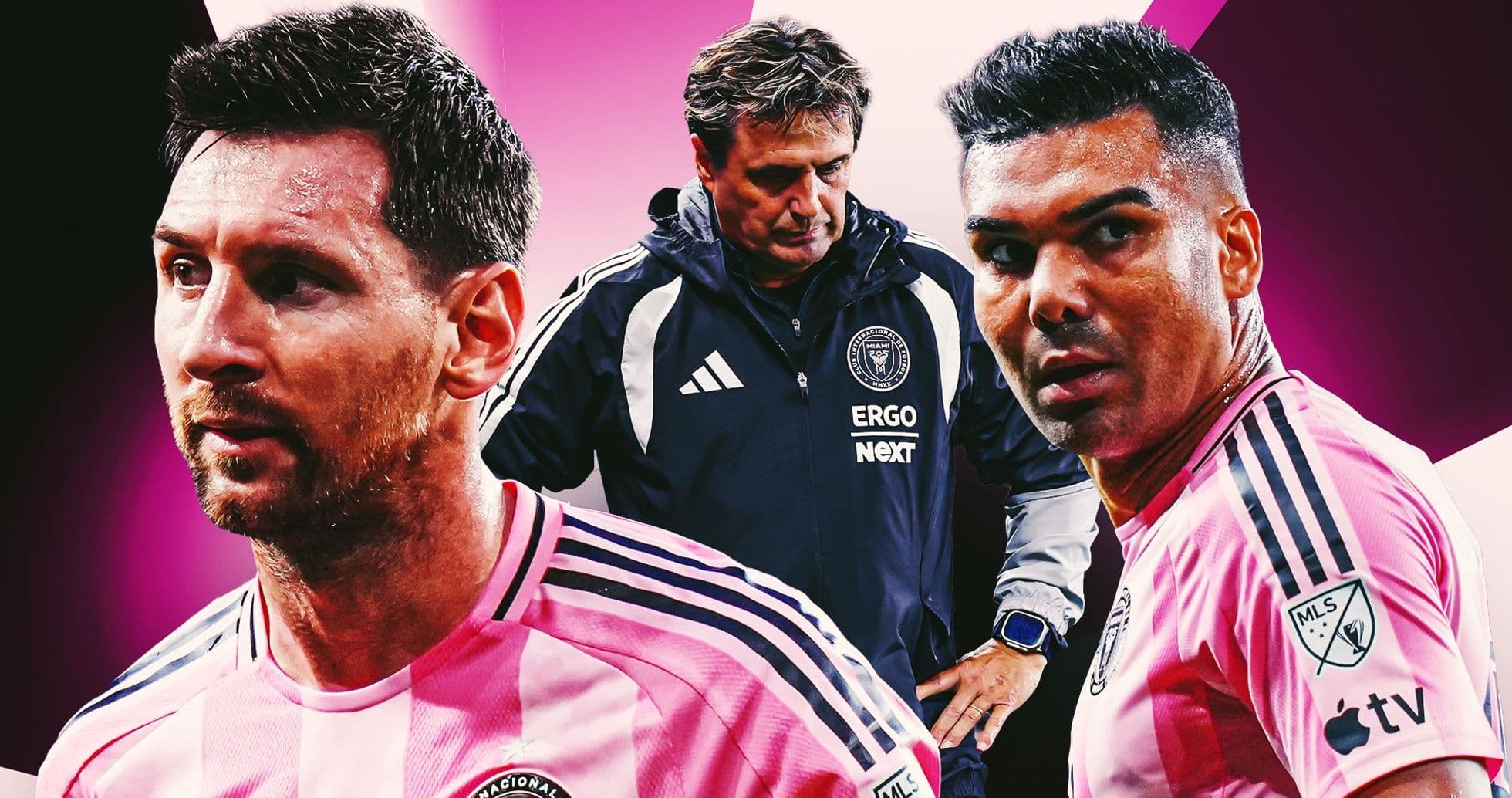
Inter Miami Faces Urgent Need for Succession Planning Beyond Lionel Messi
Lionel Messi has reshaped Inter Miami, lifting them from one of the weakest MLS teams to champions and turning the club into a worldwide name. Supported by Jorge Mas’s financial muscle and David Beckham’s influence, Miami’s success seems built around their superstar. Yet with Messi now 39 years old and hints about his future growing uncertain, the club faces a looming challenge.
Recently, Messi’s habit after matches has been to quietly exit the field, avoiding post-game interactions. This behavior may reflect more than just personal preference; it symbolizes how much Miami’s entire project depends on him. Once he leaves, the club will need to find a new direction.
Current Team Challenges
Miami’s recent 4-1 defeat against Nashville highlighted their weaknesses. Despite controlling possession, they were exposed on quick counterattacks. The midfield struggled to keep pace, and defensive lapses were glaring. Key players like Hany Mukhtar exploited Miami’s gaps, while Luis Suarez’s diminishing stamina and an aging squad showed clear limits. Without Messi’s influence, Miami’s flaws become starkly obvious.
Questionable Transfer Strategy
The club’s recruitment choices raise concerns about planning beyond Messi. Signings such as Casemiro and German Berterame haven’t fully addressed critical needs, especially in central midfield and attack. Some younger talents like Benjamin Cremaschi have felt sidelined, hinting at missed opportunities to build a sustainable core. Many moves appear designed to please Messi rather than create a balanced, long-term squad.
“I am coming only to play with the best player of all time,” said Casemiro at his unveiling, emphasizing how recruitment is tied to Messi’s presence.
Future Uncertainties if Messi Departs
Messi’s contract runs through 2028, but age and personal considerations make his full-term stay unlikely. If he leaves sooner, Miami could be left with expensive Designated Players who don’t fit well together. Rodrigo De Paul and Berterame remain on large contracts, while Casemiro’s status offers limited flexibility. The club’s heavy dependence on Messi threatens a sharp decline once he’s gone.
Looking for a Successor
A true successor to Messi would need to combine skill, market appeal, youth, and a connection to Argentina. Julian Alvarez fits this description but is likely out of reach financially, given Atletico Madrid’s hefty investment and Real Madrid’s interest. An alternative might be American stars like Christian Pulisic or Weston McKennie. They bring quality and local appeal but cannot replace Messi’s global draw.
Messi’s role transcends sport; his presence fuels sponsorships, ticket sales, and international attention. With a stadium stand named after him and ownership stakes included in his deal, Miami’s entire identity revolves around Messi. Yet there’s little sign the club is preparing for life without him.
The Risk of Falling Back
Before Messi, Miami struggled near the bottom of MLS, even with big-name players like Blaise Matuidi and Gonzalo Higuain. After his arrival in mid-2023, the team rapidly improved, winning trophies and attracting fans. But recent results suggest replicating that success without Messi will be tough. Their playoff hopes currently rest on an incomplete squad propped up by one extraordinary talent.
The coming shift to a Fall-Spring MLS calendar and potential salary cap changes offer a chance to rethink the roster. Miami has at least one more abbreviated season with Messi, yet must begin serious planning to avoid returning to mediocrity.
For now, the Herons watch their legend leave the pitch quietly after each match, unsure what their future holds when that final goodbye arrives.
- Recent match: Inter Miami 1 - 4 Nashville
- Key scorers against Miami: Hany Mukhtar (2), Sam Surridge, Andy Najar
- Contract durations: Messi until 2028, De Paul until 2029, Berterame similar timeline
- Potential successors: Julian Alvarez (financially difficult), Christian Pulisic, Weston McKennie



