Indy Eleven Dominates Forward Madison 2-0 in USL League One Cup
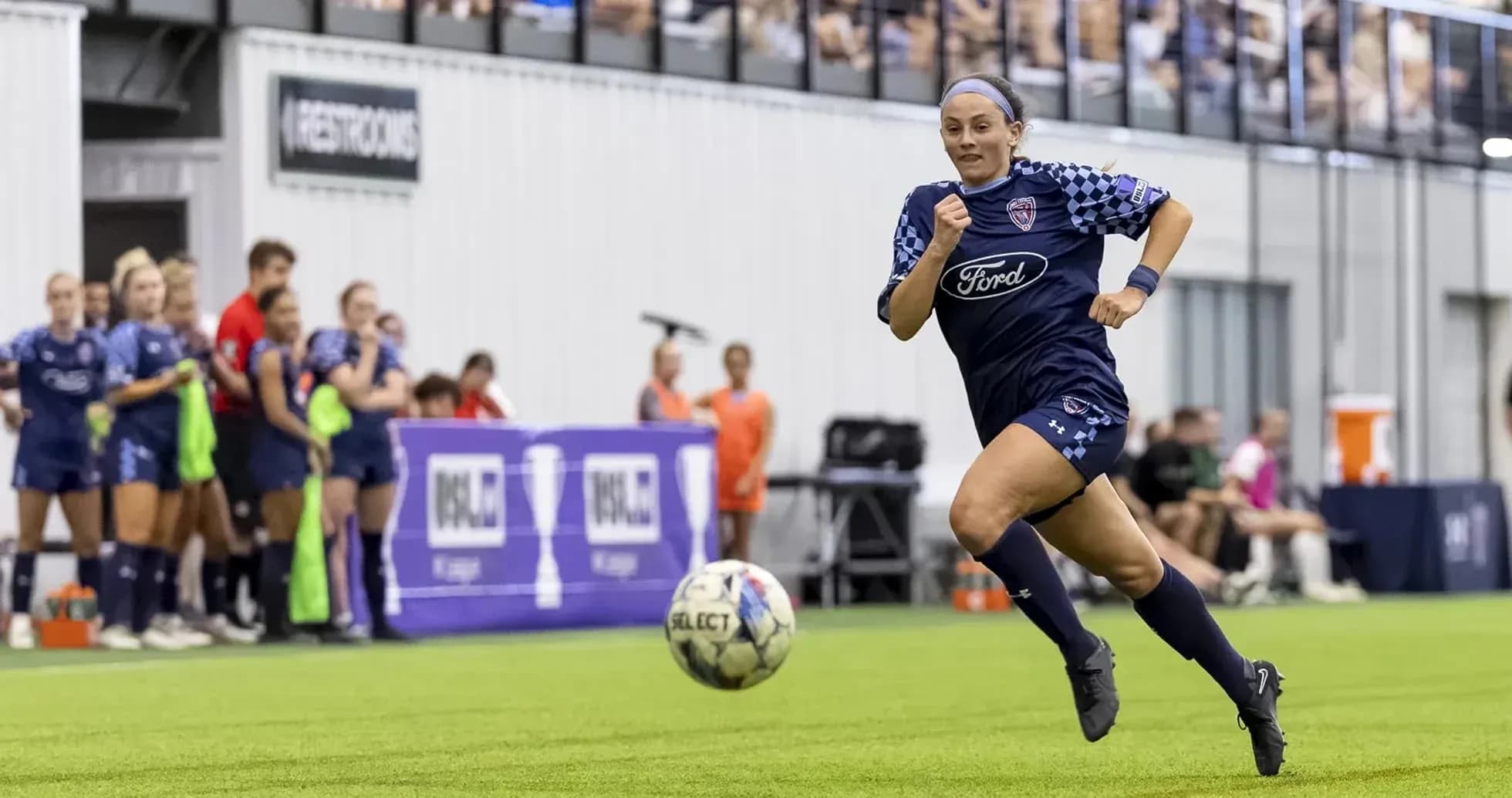
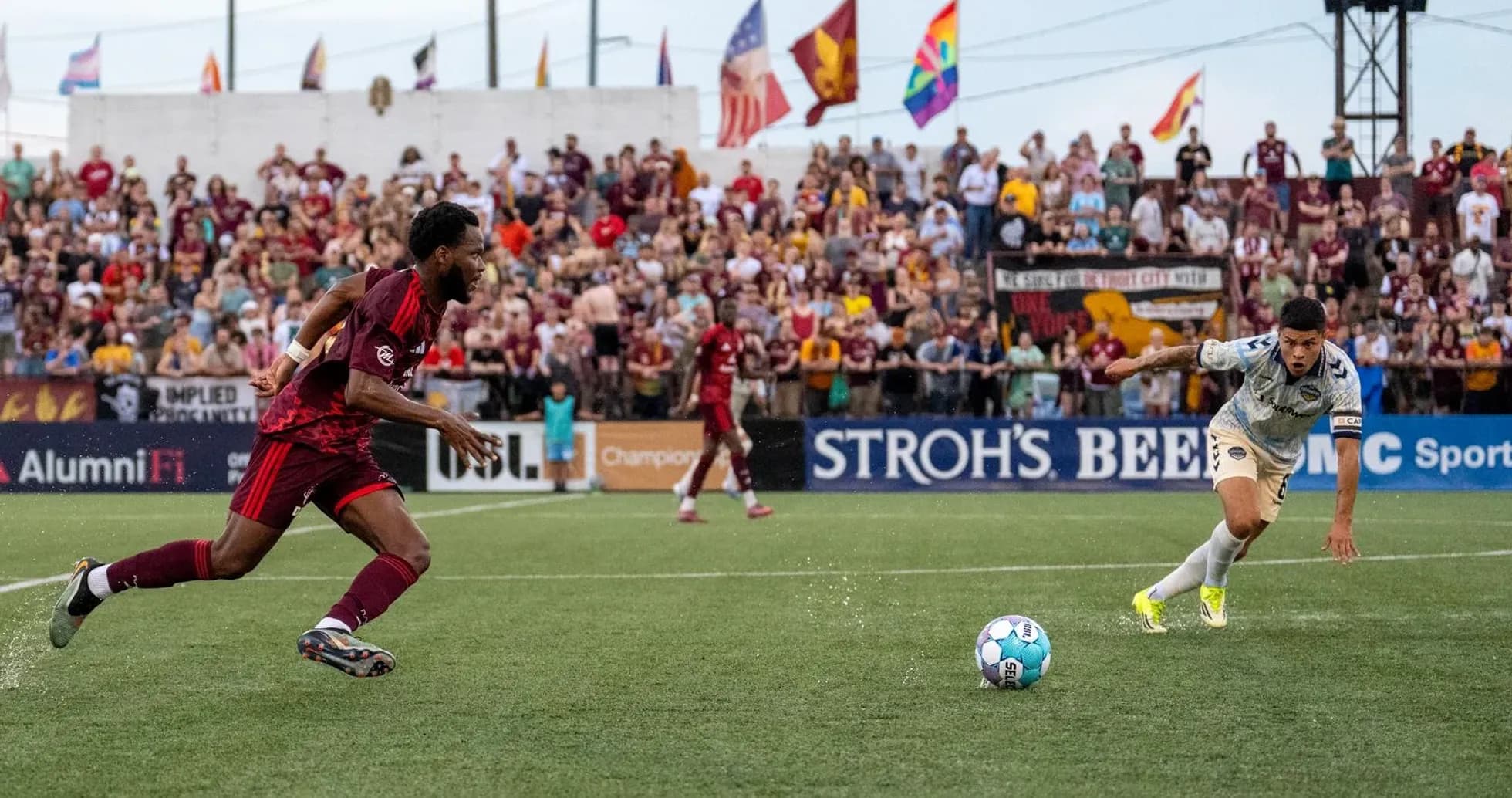
Under the lights at Michael A. Carroll Stadium, Indy Eleven’s 2-0 victory over Forward Madison felt less like a routine group-stage result and more like a declaration of intent in the USL League One Cup. Following this result, the numbers and the narrative finally aligned: a side with attacking conviction and a tightening defensive core against a Madison team still searching for an identity in a punishing Group 4.
Indy entered the night with a clear seasonal profile. Overall this campaign, they had played 3 fixtures, winning 2 and losing 1, with no draws. Their attacking output was already assertive: 6 goals in total, split evenly between home and away. At home, they had scored 3 times with an average of 1.5 goals per game; on their travels, they had been even more explosive with 3.0 away goals on average. Defensively, they had conceded 4 goals overall, 2 at home and 2 away, for a total average of 1.3 goals against per match. It was the profile of a proactive side: willing to open up, confident they could outscore opponents.
Forward Madison, by contrast, arrived in Indianapolis with the weight of a bruising start. Across their 3 group fixtures, they had lost all 3, with 2 goals scored and 7 conceded overall. At home, they had failed to score and shipped 1; away, they had scored 2 but conceded 6, an away goals-against average of 3.0 that painted a picture of a team struggling to protect space once they left Madison. Their total average of 0.7 goals for and 2.3 against told a blunt story: they were being outgunned and outmaneuvered in almost every phase.
Sean McAuley’s selection for Indy underlined a balanced, possession-minded approach. In goal, R. Charles-Cook anchored a back line featuring L. Neidlinger, M. Rasheed, P. Craig, and A. Quinn. Ahead of them, C. Lindley and B. Rendon offered structure in midfield, with J. O’Brien and J. Blake providing connective tissue between lines. K. Williams, wearing 10, and E. Kizza led the attacking thrust. The bench—E. Dick, A. Mitrano, H. Barry, L. Mesanvi, M. Omar, D. Sing, and T. Lowden—gave McAuley flexibility to adjust tempo and shape late on.
Matt Glaeser’s Forward Madison side was set up with a more transitional edge. T. Manske started in goal, protected by a defensive unit including J. Shannon and K. Toure, with the likes of G. Kanyane and H. Karamoko tasked with patrolling central areas. Wide and advanced roles fell to J. Bolma, M. Segbers, R. Torres, and C. Ngoubou, supporting central forward R. Carmichael. On the bench, J. Harms, D. Gebhard, C. McCamy, S. Gyamfi, E. Munjoma, K. Carmichael, and J. Castro offered potential energy, but also hinted at a squad still in flux.
Tactically, the voids between what Madison needed and what they could produce were stark. Their season statistics show no clean sheets—0 in total, home or away—and 2 fixtures in which they failed to score. They are a side that, to this point, has not been able to marry defensive resilience with any sustained attacking threat. Indy, on the other hand, had kept 1 clean sheet at home and had yet to fail to score anywhere this campaign. That blend of reliable goal scoring and emerging defensive control was precisely what unfolded in this match: Indy’s back line, shielded by Lindley and Rendon, was rarely stretched to breaking point, while their front unit kept asking questions of a Madison defense already scarred by previous away outings.
Discipline added another layer to the story. Over the season, Indy’s yellow-card profile is relatively evenly spread, with notable spikes between 31-45 minutes (28.57%) and 61-75 minutes (also 28.57%). They are combative but measured, with no red cards recorded in any time window. Madison’s card map is more volatile. Their yellow cards peak in the 46-60 minute range at 37.50%, with additional pressure points early (25.00% from 0-15) and again between 61-75 minutes (25.00%). More tellingly, their only red card this campaign has come in the 76-90 window, accounting for 100.00% of their dismissals. It suggests a side that often loses composure just as matches tilt into decisive phases. Even without specific minute-by-minute data for this fixture, the pattern fits the eye test: Madison tend to chase games late, and when fatigue and frustration combine, discipline frays.
Within that frame, the “Hunter vs Shield” dynamic clearly favored Indy. As a team, their total average of 2.0 goals for per match met a Madison defense conceding 2.3 overall and 3.0 on their travels. Indy’s home attack—1.5 goals on average—did not need to be spectacular to find joy against a back line that had yet to find a reliable block or compactness away from home. Conversely, Madison’s total attacking average of 0.7 goals per match ran into an Indy unit that, while not watertight, had conceded just 1.0 goal on average at home. The Shield, for once, held firm.
In the “Engine Room,” players like Lindley and Rendon defined the tone. Indy’s season-long refusal to go scoreless in any fixture owes much to their ability to control central zones, recycle possession, and commit numbers forward with structure. Madison’s midfield—Kanyane, Karamoko, Segbers—worked to break that rhythm, but with their side’s overall lack of clean sheets and their tendency to concede heavily away, they were always one turnover away from another wave of pressure.
From a statistical prognosis standpoint, this 2-0 result feels like a rational outcome of the underlying trends rather than an outlier. If we map likely xG profiles onto the season data, Indy’s consistent chance creation and multi-goal potential, especially away but increasingly at home, would reasonably project them above 1.0 xG in a fixture like this, perhaps closer to the 1.5–2.0 range. Madison’s limited scoring record, combined with Indy’s improving defensive metrics and home solidity, would anchor their expected output below 1.0 xG.
Following this result, the trajectories diverge further. Indy, with 5 points and a goal difference of 3 in the standings snapshot, look like a side whose statistical backbone supports a deep run: they score, they increasingly defend, and they keep their heads. Madison, rooted on 0 points with a goal difference of -5, face a more existential question. Their squad has talent—Bolma’s directness, Ngoubou’s movement, Carmichael’s presence—but until they solve the structural issues that see them concede 3.0 goals on average away and lose discipline late, they will remain a dangerous idea rather than a complete team.
In Indianapolis, the story was simple: a coherent, confident Indy Eleven side imposed their season-long identity on a Forward Madison team still trapped between ambition and fragility. The numbers merely confirmed what the pitch had already made clear.