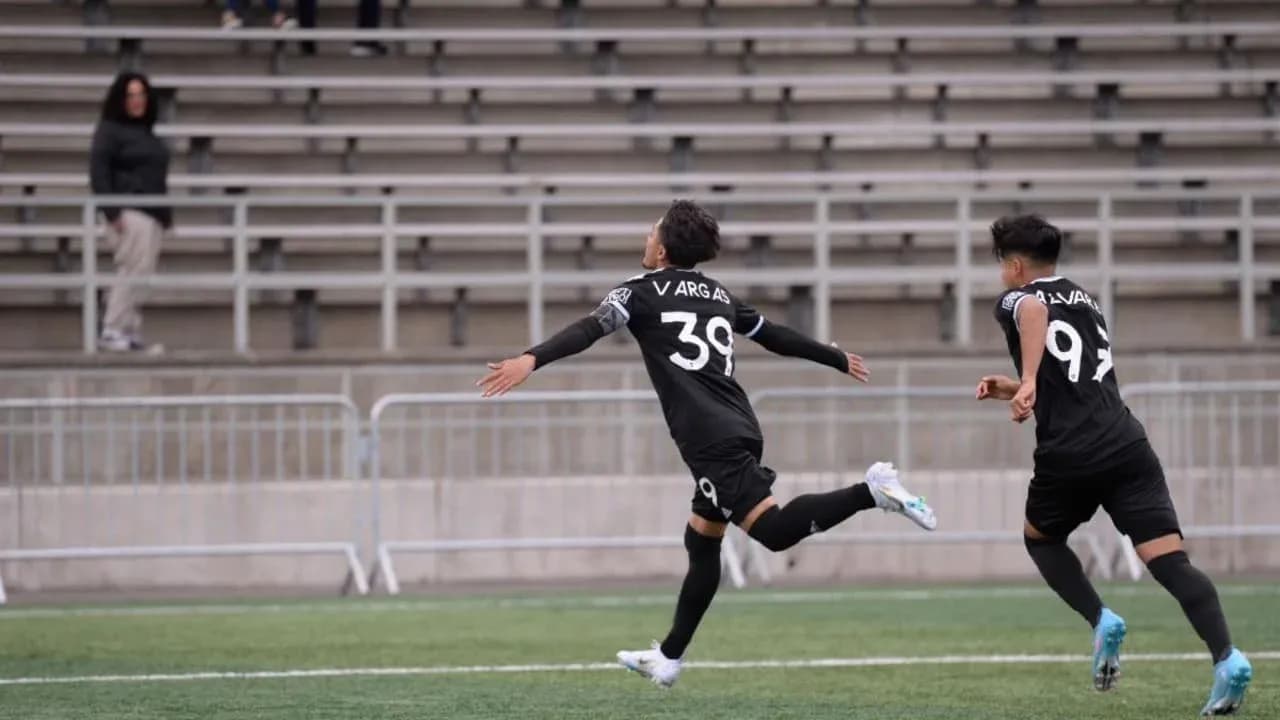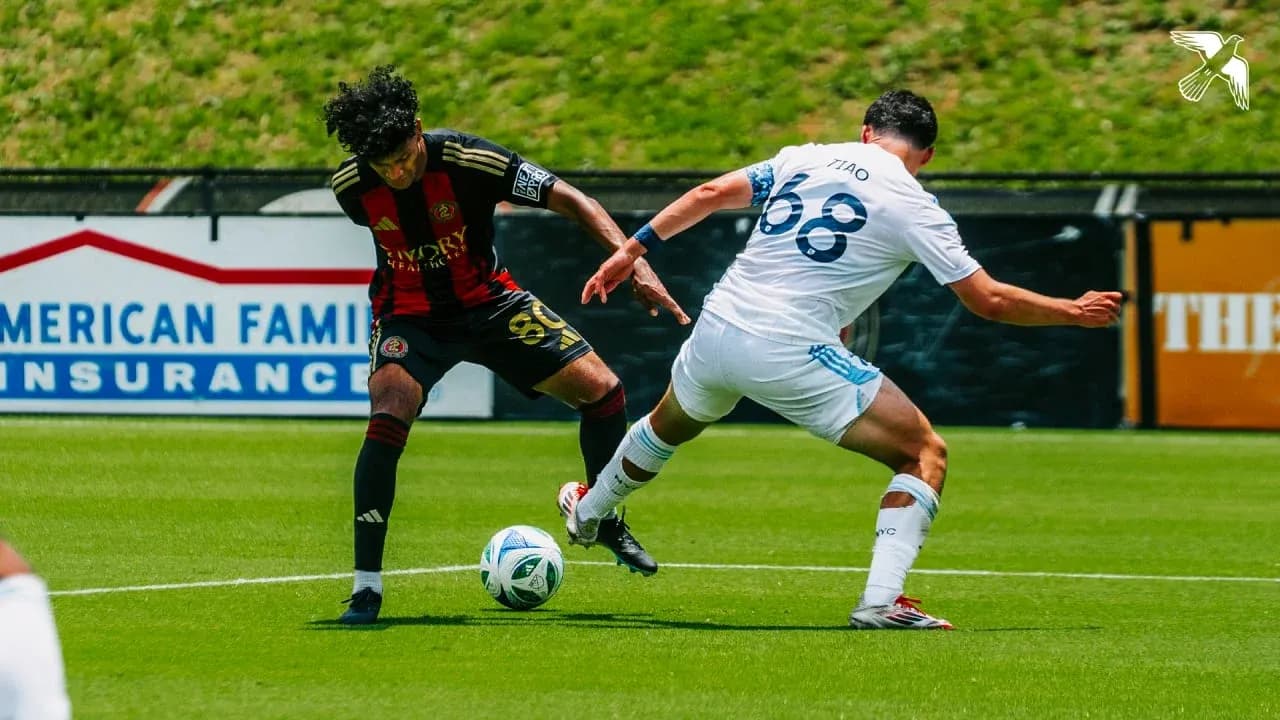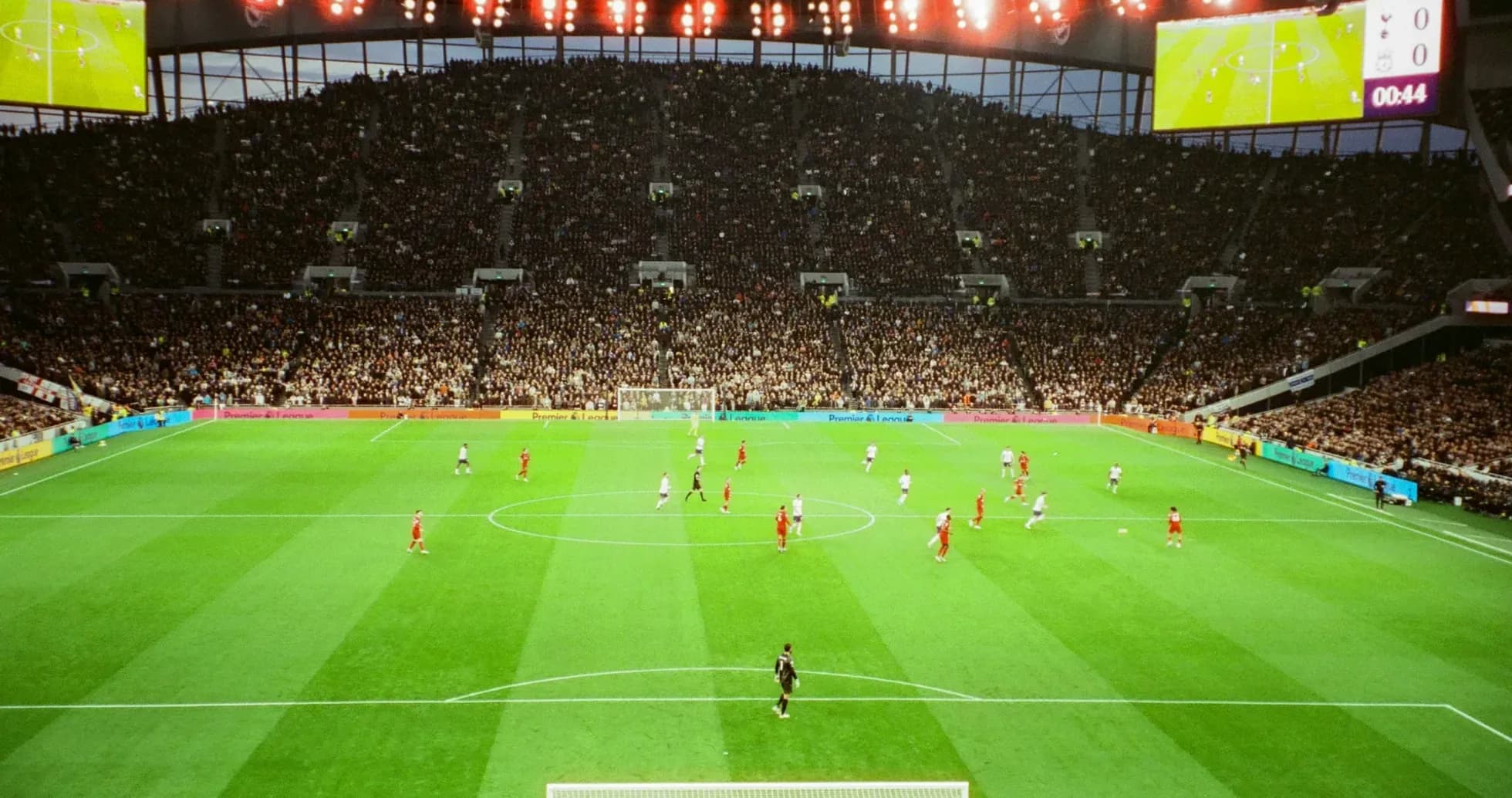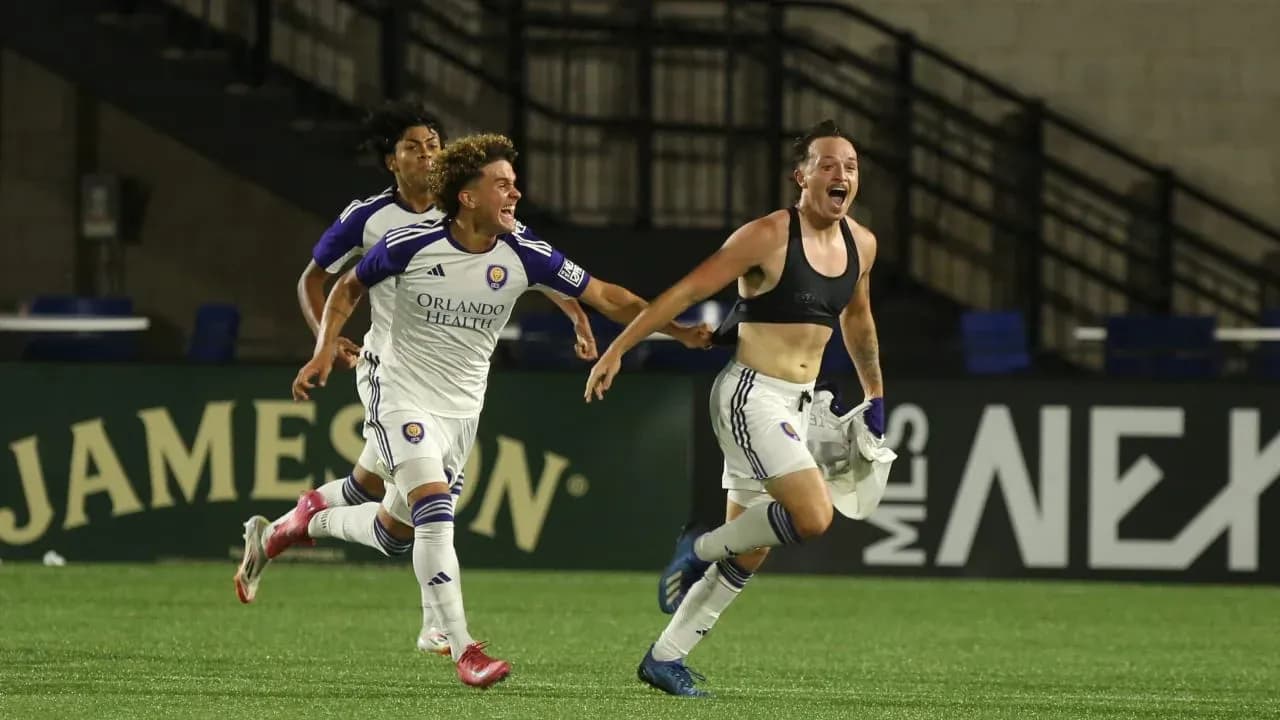
Houston Dynamo FC II Dominates Portland Timbers II 3-0
Under the Providence Park lights, this MLS Next Pro Group Stage fixture became a stark lesson in the gap between a promising project and a ruthless, fully formed machine. Portland Timbers II, second in the Pacific Division and fifth in the Eastern Conference heading into this game with 20 points and a goal difference of -1 overall, were dismantled 3-0 at home by a perfect Houston Dynamo FC II side that arrived top of the Frontier Division and Eastern Conference with 31 points from 11 wins out of 11, and a towering overall goal difference of +23.
For Portland, this was supposed to be a test of their upward curve rather than an exposure of their limits. Overall this campaign they had won 6 and lost 5 from 11, scoring 15 and conceding 18, a profile of a team that plays on the edge. At home, their numbers already hinted at fragility: 3 wins and 4 defeats from 7, with 10 goals scored and 13 conceded, averaging 1.4 goals for and 1.9 against at Providence Park. Houston arrived as the league’s juggernaut. Overall they had 30 goals scored and only 5 conceded, averaging 2.7 goals for and 0.5 against, with 7 straight away wins, 15 goals scored and 5 conceded on their travels.
The lineups told a story of a young Portland side trying to grow together versus a Dynamo II group that has learned how to win in every scenario. Jack Cassidy entrusted the starting XI to S. Joseph, S. Jura, A. Bamford, N. Lund, C. Ondo, E. Izoita, V. Enriquez, Colin Griffith, L. Fernandez-Kim, N. Santos and G. Guerra. It was a group built around mobility and verticality rather than star power. Griffith, notably, is Portland’s statistical focal point in the league charts – he tops their internal lists for goals, assists and even disciplinary tallies, even if those columns are still empty. He is less a finished product than a symbol of a project in motion.
Houston’s XI, anchored by goalkeeper Pedro Cruz, featured N. Betancourt, I. Mwakutuya, V. Silva, R. Miller, Gustavo Dohmann, M. Arana, M. Dimareli, S. Mohammad, J. Bell and A. Brummett. There is balance across the lines: a back unit that has helped produce 6 clean sheets overall, a midfield that can press and play, and a front line that has driven their biggest wins – 5-0 at home and 4-1 away.
Tactically, the voids were less about missing names and more about structural mismatches. There is no injury list data for either side, so both coaches appeared to have close to full squads. But Portland’s seasonal defensive profile was a warning: overall they concede 1.6 goals per game, with only 4 clean sheets and 3 matches where they have failed to score. They are a team that lives in high-variance contests. Houston, by contrast, had not failed to score once all season and had never lost, with 11 straight wins and 6 clean sheets overall. Their penalty record underlined their clinical edge: 1 penalty awarded, 1 scored, 100.00% conversion, and no misses.
Disciplinary trends also framed the battle. Portland’s yellow-card distribution shows a side that becomes increasingly stretched as the game wears on: 29.63% of their cautions arrive between 61-75 minutes and 22.22% between 76-90, a clear late-game surge in bookings that suggests fatigue or tactical fouling when chasing matches. Houston’s yellows are more evenly spread, but with a notable 21.43% also coming in the final quarter of normal time, they are no strangers to the dark arts of closing out leads. Neither side had recorded a red card heading into this game, but the patterns hinted that if the match became stretched, it would likely be Portland forced into riskier, last-ditch defending.
Within that framework, the “Hunter vs Shield” matchup was brutally one-sided. Houston’s attack, averaging 3.3 goals at home and 2.4 away, ran into a Portland back line that at home concedes 1.9 goals per match and has already suffered a 0-3 defeat as its heaviest home loss. On their travels, Houston concede only 0.7 goals per game; Portland’s home output of 1.4 goals per game simply did not carry enough threat to bend that shield. The 0-3 full-time scoreline did not feel like an outlier but an extension of the underlying numbers.
In the engine room, Cassidy needed E. Izoita and V. Enriquez to provide structure and progression, linking Griffith and Guerra with enough speed to bypass Houston’s central block, where Gustavo Dohmann and M. Arana set the tempo. But Houston’s unbeaten record is built on controlling that middle third, and without a proven playmaker in the statistical charts, Portland’s midfield lacked a clear reference point to wrest control. Once Houston scored before half-time – reflected in the 0-1 half-time score – the match tilted decisively toward the visitors’ preferred script: control, compress, then punish transitions.
Following this result, the statistical prognosis is stark. Portland’s overall goals against rises further away from parity, while Houston extend a defensive record that already read 5 goals conceded in 11 matches, with a goal difference of +23 overall heading into the game. The Expected Goals story, even without explicit xG values in the data, is easy to infer: a side that creates 2.7 goals per match and concedes 0.5 will, over time, dominate a team that scores 1.4 and concedes 1.6.
The narrative of the night, then, is not just of a 3-0 defeat but of two projects at different stages. Portland Timbers II, with young figures like Griffith learning the league’s demands, are still searching for balance between their attacking ambition and defensive reliability, especially at home. Houston Dynamo FC II arrive and depart as a complete unit: relentless, defensively disciplined, and merciless in front of goal. Over 90 minutes, the table-toppers simply imposed the season’s logic on the Providence Park pitch.