Harry Kane's Heartbreaking Semifinal Loss to Argentina
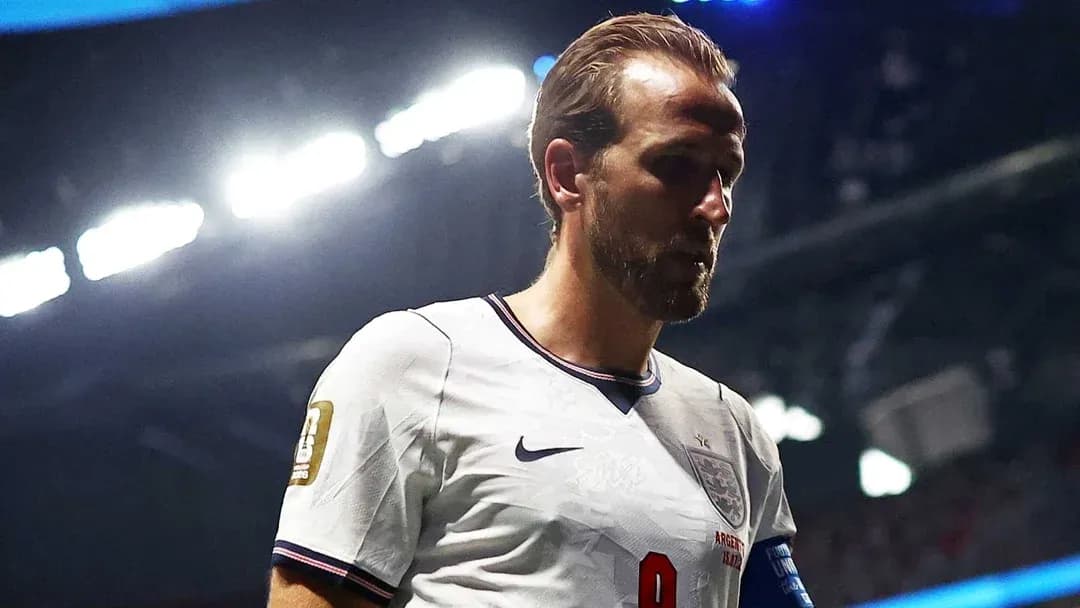
Harry Kane left the field in New Jersey with a stare that said more than any post-match interview ever could. Minutes later, he found the words. Or rather, admitted he barely could.
“There are no words big enough right now to overcome this feeling of emptiness in the stomach,” he posted on X after England’s 2-1 defeat to Argentina in the 2026 World Cup semifinal. It read like a confession from a captain who has seen this film too many times.
Another semifinal, another scar
England’s World Cup history at this stage is turning into a grim pattern. Since lifting the trophy in 1966 after winning their first semifinal, the Three Lions have now fallen at this hurdle three times in a row: 1990, 2018, and 2026.
This one cut especially deep.
England led. They had control. Then it slipped. Enzo Fernández struck, Lautaro Martínez completed the turnaround, and Argentina walked into the final while England were left staring at the same old wall.
The numbers only twist the knife. In the 21st century, only twice has a team scored first in a World Cup semifinal and still failed to reach the final. Both times, that team was England: against Croatia in 2018, and now against Argentina in 2026. When they get close, the fall seems to get steeper.
A silent night for the captain
Kane’s personal night mirrored the team’s collapse. This was not the rampaging, penalty-box predator who has defined a generation of English forwards. Against Argentina, he did not register a single touch in the opposition area — a rarity that has happened to him only twice before at major tournaments.
For a striker of his status, that statistic is brutal. It underlines how effectively Argentina shut him down, but it also speaks to England’s struggle to connect their captain to the game when it mattered most.
Kane’s message on social media captured the mood of a player who knows the clock is ticking on his international career, yet refuses to see this as the final chapter. The emptiness he described was not just about one match. It was about 1990, about 2018, about a country that keeps reaching the same door and finding it locked.
Tuchel’s task and Kane’s resolve
This was Thomas Tuchel’s England on the big stage for the first time at a World Cup, and the verdict is unforgiving: promising, competitive, but ultimately short. The team must reset quickly, because tournaments do not wait for emotional recovery.
Under Tuchel, England have tried to blend control with aggression, structure with freedom. For long spells against Argentina, it worked. Then the game turned, and when it did, England could not wrestle it back.
Kane now carries another semifinal wound, another near-miss to add to a career defined as much by heartbreak as by goals. Yet his post, for all its rawness, also hinted at something else: a refusal to accept that this is how the story ends.
The question is no longer whether Harry Kane can score the goals. It is whether he and this England side can finally break a pattern that has haunted them for a generation.