
Gianni Infantino's Ties to Donald Trump Under Investigation
Gianni Infantino has been pulled into the heart of Washington’s political storm, with the FIFA president formally asked to explain, under oath, just how close he is to Donald Trump.
Rep. Jamie Raskin, a senior Democrat on the House Judiciary Committee, has written a blistering letter to Infantino, demanding a transcribed interview and the preservation of all communications between FIFA officials and figures tied to the Trump Administration or its inaugural committee. At stake is more than football diplomacy. Raskin is openly questioning whether FIFA’s dealings with Trump crossed the line into corruption.
A Relationship Under the Microscope
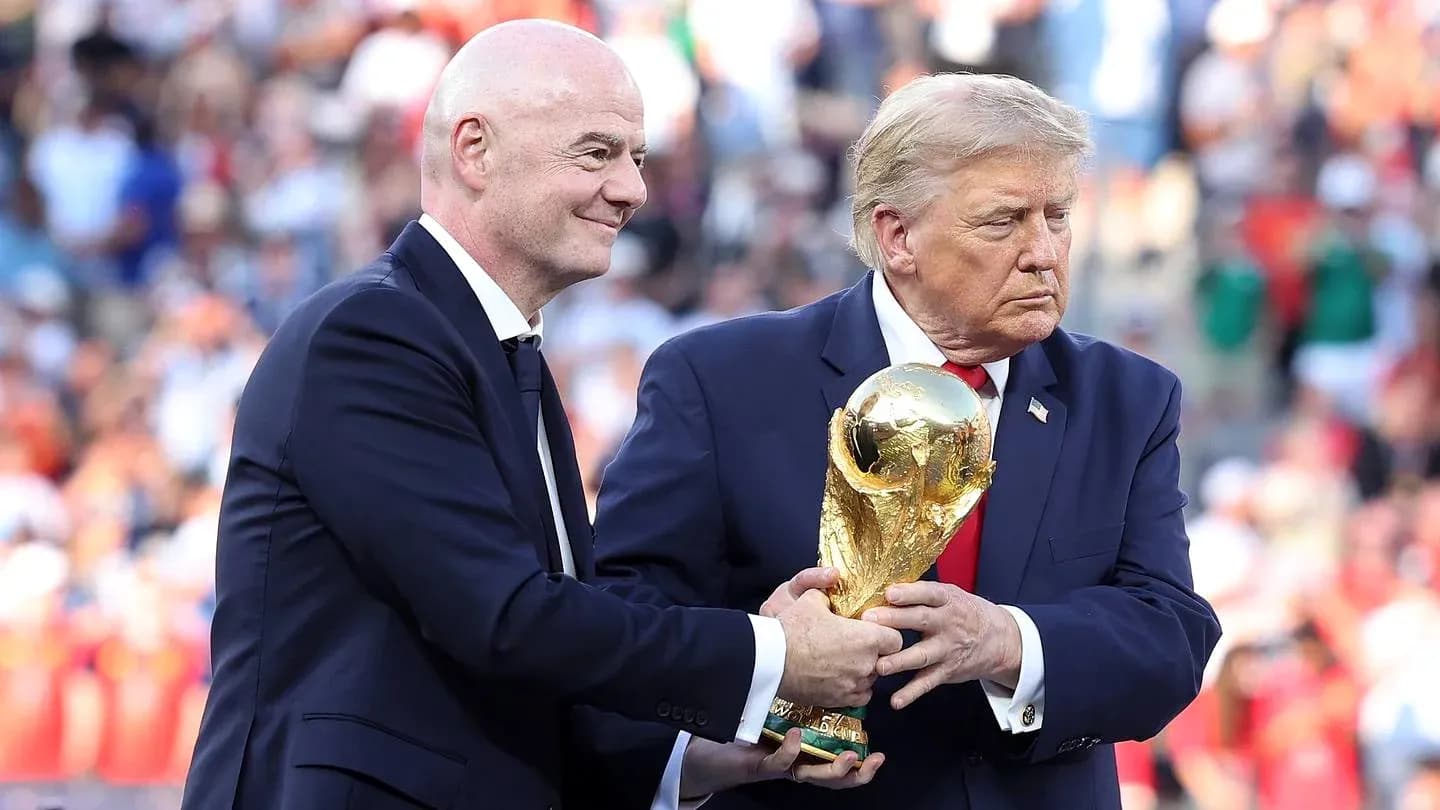
Infantino and Trump have never hidden their rapport. The FIFA president awarded Trump the first-ever FIFA Peace Prize. He claimed an office in Trump Tower in New York. The World Cup draw was shifted to Washington’s John F. Kennedy Center, a venue that had effectively been taken over by Trump’s team.
Those decisions raised eyebrows at the time. This summer’s World Cup escalated the concern.
When USMNT striker Folarin Balogun received a ban, Trump personally reached out to Infantino in an attempt to get it overturned. The ban was lifted. That intervention triggered a formal complaint from the Norwegian Football Federation, which has been one of the most vocal critics of Infantino’s conduct.
For Raskin, that episode was not a diplomatic favor. It was a warning sign.
“Not a Victimless Crime”
In his letter, Raskin frames the relationship in stark terms, likening Infantino’s conduct to the corruption scandals that brought down Sepp Blatter.
“The most recent quid pro quo that FIFA and President Trump orchestrated is not a victimless crime,” Raskin wrote. “It hurts Americans.
“FIFA has taken its newfound favored status in the Trump Administration as a sign that it may rip off its consumers, most notably, by employing illegal price gouging and fraudulent sales tactics for the World Cup.”
The language is as sharp as anything directed at FIFA since the Blatter era. Raskin accuses the organization of “outright bribery” and claims Americans have been “defrauded and manipulated” over the soaring costs around the World Cup. Those finances are already under separate scrutiny from New Jersey attorney general Jennifer Davenport.
Raskin’s letter “serves as notice” to Infantino: preserve every document, every email, every message that could illuminate the true scope of his dealings with Trump.
Limited Power, High Stakes
For now, Raskin’s leverage is political rather than legal. Democrats sit in the minority in the House. That means he cannot unilaterally compel Infantino, FIFA or Trump to comply.
Any move toward subpoenas or formal legal action would require a majority vote on the committee. That, in turn, hinges on November’s midterm elections and whether Democrats can flip enough seats to seize control.
So Infantino is not yet under legal obligation to appear. But the signal is clear. If the balance of power in Congress changes, the FIFA president could find himself answering detailed questions about private conversations, special favors and commercial decisions made on American soil.
The timing is awkward for FIFA on another front. The process to award hosting rights for the 2031 Women’s World Cup is looming, with the tournament expected to be co-hosted by the U.S., Mexico, Costa Rica and Jamaica. Every step of that bidding process now risks being viewed through the lens of political influence and preferential treatment.
The White House Hits Back
The Trump camp has not taken the letter quietly.
Asked by The Athletic to respond, White House spokesperson Davis Ingle launched a personal attack on Raskin.
“Lightweight Jamie Raskin [is] a stupid person’s idea of a smart person,” Ingle said in a statement.
From there, the response pivoted to Trump’s record with FIFA and the World Cup.
“No other president in history could have pulled off the historic feat that President Trump delivered for the American people and the world,” Ingle said, hailing the 2026 FIFA World Cup as a triumph that generated “billions of dollars in revenue,” produced “a massive economic boost across host cities,” and delivered “a safe, secure and seamless experience for millions of fans and athletes from around the globe.
“It will undoubtedly go down as one of the greatest and most successful sporting events in history.”
That defense turns the spotlight back on FIFA’s commercial success in the Trump era—precisely the area Raskin wants to probe. Was that “historic feat” simply effective partnership, or did it come with a price that fans and consumers were forced to pay?
For now, Infantino has a choice. He can voluntarily sit down with lawmakers and attempt to draw a clear line between legitimate cooperation and improper influence. Or he can wait, gamble on the midterms, and hope the questions swirling around Trump Tower offices, World Cup draws, and presidential phone calls fade before Congress gains the power to demand answers.



